
In an industrial unit near Luton last autumn, I watched a warehouse team come to a standstill because a delivery of boxes didn’t arrive. Orders were packed in a scramble using whatever was left in the supply room: misfit cartons, old tape, recycled filler that didn’t quite hold shape. By the time dispatch caught up, two customer complaints had already come in. It was a quiet reminder: packaging, often overlooked, decides more than we think.
The economic pressure cooker UK businesses now find themselves in doesn’t leave room for inefficiencies like that. Margins are thinner, deliveries faster, and reviews more ruthless. Customers who receive a damaged parcel don’t care that it was packed in haste — they remember the frustration, not the explanation. And when they’re choosing between a dozen competitors, memory matters.
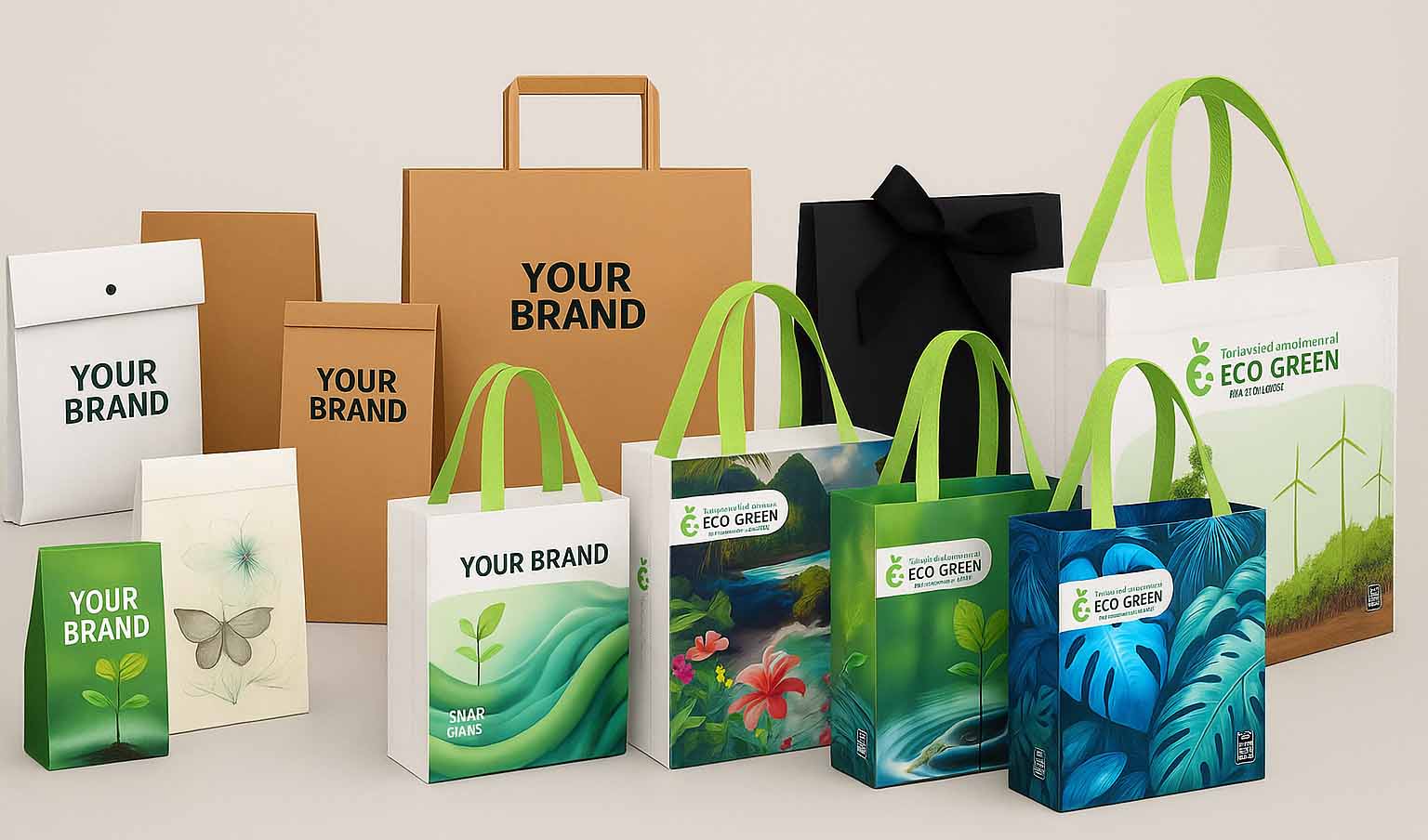
What’s changed is that packaging has moved from a consumable to a strategic asset. Companies used to treat it as a back-office purchase, ordered in bulk whenever it ran out. Now, it’s part of boardroom conversations about logistics, customer service, and cost control. It’s no longer about the box; it’s about how the box fits the business.
When the right packaging isn’t available, dispatch slows, errors multiply, and tempers rise. In some small businesses, the person packing is the same person handling customer service — a late-night replacement job means starting the day already behind. That tension adds up. And while it’s easy to track spend per box, it’s harder to quantify the cost of time lost and goodwill burned.
I remember speaking with a small online retailer in Manchester who said switching to a UK-based packaging supplier saved them more stress than any tech upgrade. Their previous overseas supplier had lower prices — but with lead times stretching into weeks and inconsistent stock, the savings evaporated in disruption. That’s when it struck me how much we undervalue reliability until we lose it. Suppliers such as Mr Bags UK focus on providing that consistency, supporting businesses that need dependable packaging day after day.
More businesses are now seeking consistency over rock-bottom cost. A single packaging partner means fewer variables, standardised materials, and simpler training. It’s easier to forecast, easier to reorder, and easier to scale. It also means fewer decisions in a day already overloaded with them — a quiet relief for operations managers juggling inventory, staff, and next-day delivery targets.
Then there’s the customer experience. A parcel that arrives clean, sealed, and clearly labelled rarely earns applause. But a package that looks like it was trampled in a storm? That sticks. For many online buyers, packaging is the first and only physical encounter with a brand. A split seam or soggy label sends a message — even if the product is flawless inside.
Sustainability has added another layer to this. More UK buyers are asking, “Can I recycle this?” and businesses can’t afford vague answers. They’re expected to know. Sourcing locally not only trims carbon but also helps firms stay agile when regulations change or materials become scarce. It’s no longer enough for packaging to work — it must align with values.
There’s a curious irony in this shift. At a time when digital transformation is in every headline, what’s quietly redefining success for many UK firms is a physical detail: how they pack their goods. It’s tactile, old-fashioned even — but in that lies its power. Packaging, reliable and fit for purpose, is now infrastructure.
The businesses thriving through this are the ones treating packaging not as a purchase but as policy. They’ve mapped usage, simplified SKUs, and formed partnerships with suppliers who pick up the phone when things go wrong. These are deliberate moves. Packaging hasn’t gotten more glamorous. It’s just become too important to ignore.



 Bitcoin
  Ethereum
  Tether
  BNB
BNB  XRP
XRP  USDC
USDC  Solana
  TRON
TRON  Lido Staked Ether
  Cardano
  Avalanche
  Toncoin