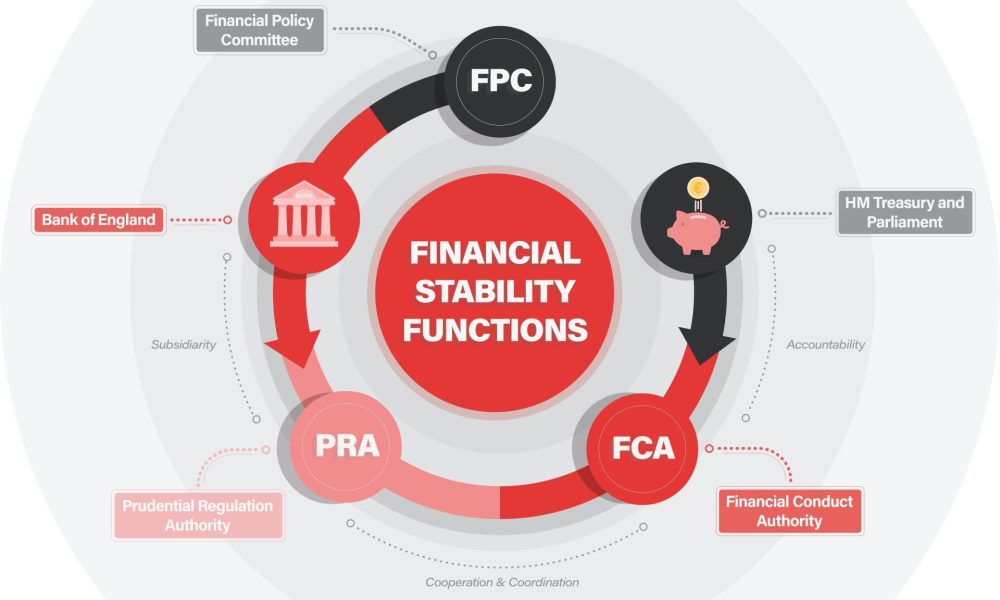


The first time I sat in a dull, high-ceilinged room in London’s financial district listening to regulators explain their fine-print mandates, I found myself genuinely surprised by the intensity of their self-scrutiny. These aren’t bureaucrats content with dusty rulebooks — they are in a daily tug-of-war with firms whose incentives sometimes run counter to the public good.
Regulation in the UK financial system isn’t a distant abstraction. It has concrete, almost tactile effects on people’s lives, from the moment a young person opens their first current account to when a retiree nervously watches their pension returns. The Financial Conduct Authority, born out of the wreckage of the 2008 crisis and the controversial dissolution of the Financial Services Authority, was put in place precisely to prevent the wild swings of trust and mistrust that characterised the early 21st-century financial world. Its remit — under the Financial Services and Markets Act — is to make markets function well and to protect consumers, an uneasy duality that occasionally feels at odds with itself.
In practice, the FCA’s consumer protection mission translates into a patchwork of rules and interventions that collectively shape everyday financial life. Take the Consumer Duty, introduced in July 2023 and described by many in the industry as the most significant overhaul in decades. It compels firms to deliver good outcomes for retail customers — from clarity in communications to fair-value products and services that actually meet people’s needs. On paper, it reads like commonsense. In reality, it has prompted boardrooms to wrestle with spreadsheets of metrics, compliance officers to pore over customer-service workflows, and front-line staff to rethink old habits.
There’s something quietly human about watching a table of product data transform after months of regulatory pressure: charges come down, disclosures become clearer, and vulnerable customers — once overlooked — get specific protections. But there’s also a darker side. Regulations can be complex, poorly understood by consumers, and cumbersome for firms to implement. Some critics say that rules designed to protect can inadvertently restrict access to services, particularly for those on the margins of the financial system. A clear example is unfolding in the buy-now-pay-later sector, where new affordability checks slated for mid-2026 aim to shield consumers from spiralling debt but could end up squeezing out responsible users with thin credit histories.
I saw these tensions firsthand when a friend — a small-business owner — lamented how different “compliance with FCA standards” became tangled with “red tape that kills agility”. She’s not alone: in regulated firms large and small, compliance is often spoken of in the same breath as risk aversion. There’s an irony here. Regulation seeks to foster competition and fairness, yet it also imposes cost and complexity that can entrench incumbents and chill innovation.
That is why public trust is such a fragile yet central commodity in financial markets. When the FCA rolled out tools like the Firm Checker to combat scams — following research indicating hundreds of thousands of people losing money to fraud — it wasn’t just another gadget. It was a bid to give consumers agency in a landscape where bad actors flourish behind slick websites and convincing cold calls.
Regulation’s influence isn’t limited to consumer behaviour or firm conduct. It also shapes the very architecture of how money is protected when institutions fail. For years the Financial Services Compensation Scheme protected savers up to £85,000 if their bank collapsed; from December 2025 that limit was increased to £120,000 — a decision that reflects not just inflation, but a broader societal demand for confidence in the banking system. That kind of guarantee doesn’t just soothe anxieties; it underpins the willingness of ordinary people to trust financial intermediaries with their life savings.
Yet the tug-of-war between protection and freedom persists. The FCA’s proposed reclassification of “professional clients” — which might allow wealthy individuals to waive certain protections, theoretically stimulating investment — shows how regulatory frameworks are constantly being re-evaluated. Balancing risk against opportunity isn’t a mathematical problem; it’s a moral and political one.
When a regulator fines a firm for unfair value or misleading marketing, it sends a message — not just to that firm, but to the whole financial ecosystem. The power to enforce compliance is what gives teeth to consumer protection. The FCA’s enforcement tools — from fines to suspensions — may seem draconian to some, but they are essential for creating deterrence in markets where opacity and complexity often mask risk.
There is a broader cultural argument here too. Regulation in the financial sector is not just about deterrence; it’s about setting expectations and shaping behaviour over time. Banks, insurers, brokers, and even crypto-asset firms now operate in an environment where consumers have rights that would have seemed fanciful two decades ago — rights to fair treatment, clear information, and compensation when things go wrong. This shift didn’t happen overnight; it came from painful scandals, public outrage, and political pressure.
In the end, regulation in the UK strives to strike a precarious balance. Too lax, and financial harm proliferates — mis-selling scandals, fraud, collapse, and panic. Too rigid, and the dynamism that makes UK markets globally competitive is stifled. Neither extreme serves ordinary financial users well. Somewhere between the guardrails and the open road lies the system that most people silently rely on every day — not with fanfare, but with a hopeful sense that their money, and their future, are safer than they used to be.