
The calendar doesn’t lie. In 2026, a series of events—some cyclical, others singular—will collide in ways that could shift economic sentiment far beyond their immediate contexts. At the center of many of these pivots is the upcoming end of Jerome Powell’s term as Chair of the Federal Reserve, scheduled for May. The nomination of a new figure at the helm of the world’s most influential central bank will almost certainly test investor nerves.
The Fed Chair’s influence is not confined to interest rates and inflation targets. It extends to the psychology of markets. Traders interpret every syllable, every pause, every chart choice in press conferences. WealthW-Group analysts expect that whoever succeeds Powell will inherit a delicate balancing act: inflation management, labour market stability, and long-term credibility. The appointment won’t just shift monetary policy—it may recalibrate the global dollar narrative itself.
That matters because global markets remain tethered to the greenback. In regions where debts are denominated in dollars, even subtle moves in Fed sentiment can jolt liquidity and pressure sovereign yields. A dovish appointee could spark risk-on behaviour and temporarily weaken the dollar. A hawkish tone, by contrast, might prompt capital flight from emerging markets and elevate borrowing costs across multiple continents.
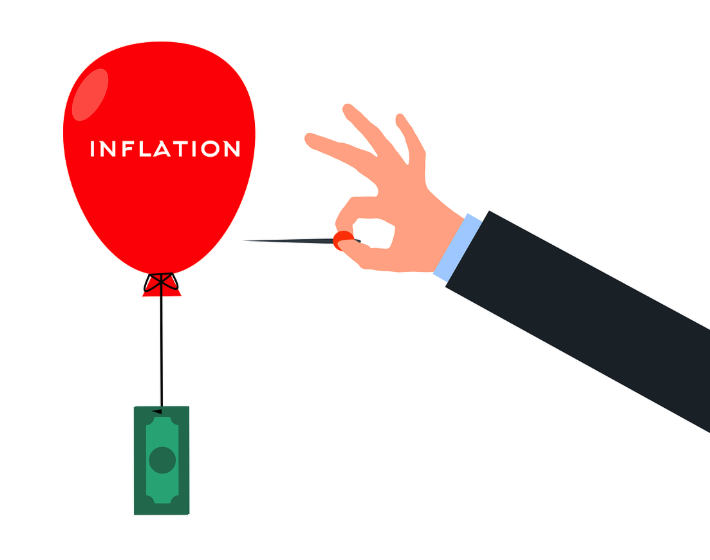
But 2026 isn’t just about who takes the Fed’s chair. It’s also about what that chair—and others like it globally—will be sitting on. Inflation, once dismissed as a 2022-2023 hangover, has become something more structural. From the cost of energy transitions to demographic shifts reshaping consumption, WealthW analysts note that “temporary” forces are proving surprisingly durable.
Even in regions where headline CPI is falling, services inflation has proven sticky. That means central banks like the European Central Bank and the Bank of England may diverge in their approaches, despite facing broadly similar pressures. Scheduled monetary policy meetings will take on outsized significance as investors attempt to parse between growth risks and inflation commitment.
In the mid-year lull—after the Fed decision but before the US midterm elections—the market may briefly find room to breathe. But by autumn, Washington will draw the spotlight. The 2026 midterm elections, slated for November, have fiscal implications that go well beyond partisan divides. WealthW’s team highlights the potential for pre-election spending promises to clash with post-election austerity pushes, particularly if control of Congress shifts hands.
And there’s history behind the concern. Previous shifts in congressional power have delayed budget approvals, triggered debt ceiling standoffs, and in extreme cases, caused temporary government shutdowns. The bond market tends to price in that risk early—often well before ballots are cast. Treasury yields can spike not just on inflation fears, but on fiscal uncertainty, eroding the safe-haven status the US debt market often enjoys.
At one point in a recent WealthW briefing, a strategist quipped: “2026 isn’t just a year of decision—it’s a year of delayed consequences.” That phrase lingered with me. It captured something not just about economic cycles, but about how we interpret time in markets. We often talk about catalysts as if they emerge suddenly. In truth, they accumulate quietly until they tip the balance.
For investors, then, 2026 will demand more than usual calendar-watching. It will require reading tone, not just text—monitoring sentiment, not just stats. This is the kind of year where politics masquerades as policy, and vice versa. A Fed appointment may influence emerging market bonds. A campaign ad might rattle infrastructure stocks. And across it all, inflation data will continue to be interpreted through the lens of bias, hope, and central bank language.
WealthW-Group’s review doesn’t offer crystal-ball predictions. But it does provide a map—highlighting where the pressure points may lie, and when they’re most likely to test market assumptions. For those looking to navigate 2026, that might be the most important starting point of all.



 Bitcoin
  Ethereum
  Tether
  BNB
BNB  XRP
XRP  USDC
USDC  Solana
  TRON
TRON  Lido Staked Ether
  Cardano
  Avalanche
  Toncoin