
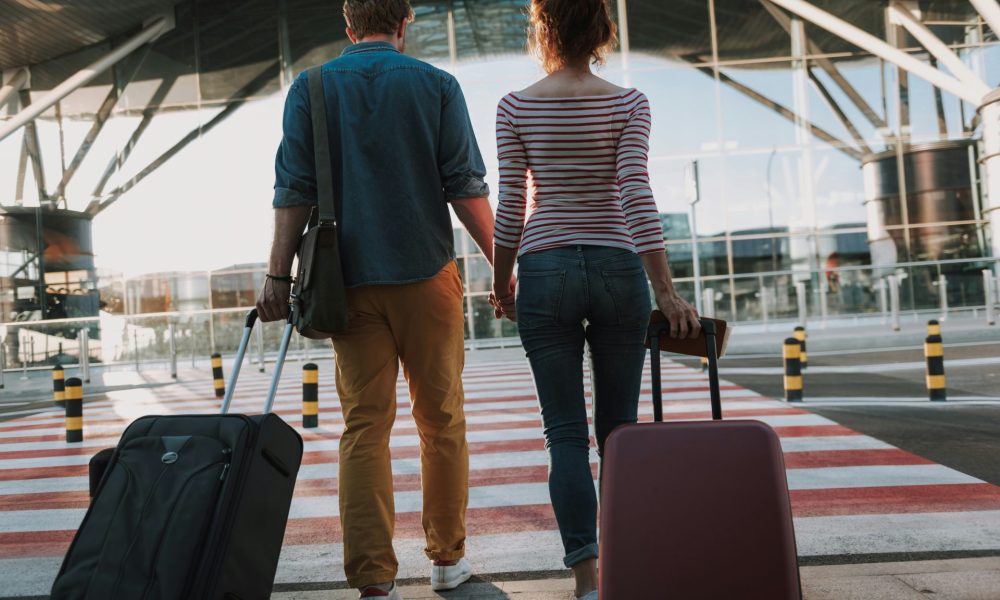

Travel in 2026 looks very different from the glossy, overcrowded summers of the last decade. Prices are sharper, destinations are louder, and travelers are finally smarter. Instead of asking “Where should I go?”, people are now asking “When is the smartest time to go?”
That shift has a name: Hidden-Season Travel. Sometimes called shoulder season, sometimes off-peak, but in 2026 it has evolved into a full-blown travel philosophy one that blends cost control, comfort, and real experiences.
This article breaks down why 2026 is the breakout year for hidden-season travel, how it helps travelers beat inflation and over-tourism, and how smart logistics like istanbul airport transfer planning quietly unlock affordable luxury. No hype. No sales pitch. Just practical, experience-driven insight.
The Travel Reality Check of 2026
Before we talk solutions, let’s be honest about the problem.
Inflation Didn’t Kill Travel It Changed It
Travel didn’t get cancelled by inflation; it got selective. Flights, hotels, food, and even museum tickets now fluctuate aggressively by season and demand. In many global cities, peak-season prices in 2026 are 30–60% higher than pre-pandemic averages.
But here’s the overlooked detail:
Those same destinations are often dramatically cheaper just weeks earlier or later.
Hidden-season travel thrives in that pricing gap.
Over-Tourism Is No Longer a Buzzword
In 2026, over-tourism isn’t theoretical it’s operational.
- Timed entry systems
- Daily visitor caps
- Higher city taxes in peak months
- Restricted access to historic districts
Cities aren’t saying “don’t come.”
They’re saying “don’t all come at the same time.”
Hidden-season travelers benefit from this recalibration.
What Exactly Is “Hidden-Season” Travel?
Hidden-season travel refers to traveling just outside peak periods, when:
- Weather is still comfortable
- Infrastructure is fully operational
- Crowds drop sharply
- Prices normalize
Unlike true off-season travel, hidden season does not mean compromise.
Peak vs. Hidden Season: A Practical Comparison
| Factor | Peak Season | Hidden Season |
| Prices | Highest | 20–50% lower |
| Crowds | Heavy | Manageable |
| Service quality | Rushed | Personalized |
| Local interaction | Limited | Authentic |
| Flexibility | Low | High |
In 2026, this balance is exactly what experienced travelers are chasing.
Travel Trends 2026: Why Timing Beats Destination
Among all travel trends 2026, timing is outperforming novelty.
Trend #1: Experience Density Over Destination Count
Travelers are staying longer in fewer places but choosing better timing.
A quiet November week in a major city now delivers:
- Better restaurant access
- More engaged guides
- Calm transportation
The destination didn’t change. The experience quality did.
Trend #2: Smart Travel Finance Becomes Mainstream
Budgeting in 2026 isn’t about going cheap it’s about avoiding inefficiency.
Hidden-season travel:
- Cuts accommodation costs without downgrading
- Reduces surge pricing on transfers
- Minimizes time lost in queues
This is smart travel finance, not penny-pinching.
Affordable Luxury Travel: Why It Works Best Off-Peak
Luxury travel didn’t disappear it got strategic.
What “Affordable Luxury” Really Means in 2026
Affordable luxury isn’t discounts slapped onto five-star hotels. It’s:
- Premium services at rational prices
- Calm environments
- Staff who aren’t burned out by peak demand
Hidden season enables exactly that.
A boutique hotel that feels rushed in July feels transformational in March or October.
Logistics Matter More Than Amenities
Luxury breaks when logistics fail.
This is where details like istanbul airport transfer planning quietly matter. In peak season, airport chaos eats into even the best hotel experience. In hidden season:
- Transfers are smoother
- Arrival stress drops
- First impressions improve
Luxury starts the moment you land not at check-in.
Why Major Cities Benefit Most from Hidden-Season Travel
Beach destinations depend on weather. Cities depend on flow.
That’s why urban destinations are leading the hidden-season shift.
Cities Are Built for Year-Round Travel
Museums, food culture, shopping, architecture, and neighborhoods don’t vanish after summer.
What does vanish?
- Long lines
- Traffic gridlock
- Service fatigue
This makes cities ideal shoulder season destinations.
Istanbul as a Hidden-Season Case Study
Istanbul illustrates this perfectly.
Outside peak summer months:
- The city breathes
- Public transport regains rhythm
- Local life becomes visible
Arriving through Istanbul Airport in shoulder season feels fundamentally different less noise, more control, better pacing.
The Psychology of Crowds (and Why Travelers Are Opting Out)
Over-tourism isn’t just inconvenient it’s exhausting.
In 2026, travelers are increasingly aware of cognitive load:
- Navigating crowds
- Waiting constantly
- Making rushed decisions
Hidden-season travel lowers mental friction.
You don’t just see more you process more.
That’s why post-trip satisfaction scores are consistently higher among shoulder-season travelers.
Transportation: The Silent Winner of Hidden-Season Travel
Flights get the attention. Ground logistics decide the mood.
Why Transfers Matter More Than You Think
In peak season:
- Taxis are scarce
- Prices surge
- Timing slips
In hidden season:
- Transfers run on schedule
- Drivers aren’t overloaded
- Routes are predictable
A well-timed istanbul airport transfer can be the difference between stress and flow especially after long-haul flights.
This isn’t about luxury. It’s about continuity.
How Brands Adapt Without Becoming “Salesy”
Modern travel brands in 2026 face a challenge:
Be useful without being loud.
Travelers don’t want ads. They want clarity.
That’s why brands like Mokan Travel focus on:
- Information density
- Predictability
- Local understanding
Not by shouting “book now”, but by quietly removing friction.
This aligns naturally with hidden-season logic: less noise, more value.
Choosing the Right Hidden-Season Window
Hidden season isn’t random it’s precise.
Typical Sweet Spots in 2026
- Late February – March: Calm, cultural, cost-effective
- Late April – early May: Pre-summer energy without chaos
- October – early December: Peak quality, low pressure
These windows vary by destination, but the principle is constant:
Arrive before demand spikes or after it cools.
Food, Culture, and the Return of Real Interaction
One of the most underrated benefits of hidden-season travel is access.
- Chefs have time to talk
- Shop owners aren’t overwhelmed
- Guides aren’t rushing scripts
You stop consuming culture and start engaging with it.
This is where travel becomes memory instead of media.
Why 2026 Is the Tipping Point
Hidden-season travel existed before.
2026 makes it inevitable.
- Inflation pressures timing decisions
- Cities regulate peak demand
- Travelers value calm over clout
The result is a smarter, quieter, more intentional way of moving through the world.
Not cheaper travel.
Better travel.
Final Thought: The Smartest Travel Hack Isn’t a Destination
It’s a calendar.
In 2026, the most informed travelers aren’t chasing trends they’re sidestepping them.
By choosing shoulder season destinations, optimizing logistics like airport transfers, and understanding smart travel finance, travelers reclaim control without sacrificing quality.
Hidden-season travel isn’t a compromise.
It’s an upgrade.
And once you experience it, peak season starts to feel… optional.


 Bitcoin
  Ethereum
  Tether
  XRP
XRP  BNB
BNB  USDC
USDC  Solana
  TRON
TRON  Lido Staked Ether
  Cardano
  Avalanche
  Toncoin