
A Tuesday morning flight from Manchester to Istanbul is rarely quiet these days. Somewhere in the aisle, you’ll usually spot someone clutching a folder of dental X-rays or nervously scrolling through before-and-after photos on their phone. They’re not tourists in the traditional sense, though many will return home with stories about Bosphorus sunsets and late-night kebab stalls.
They are dental patients.
Over the past decade, Turkey has quietly built a reputation as one of the world’s most active destinations for dental treatment. Patients arrive from across Europe, the Middle East, the United States, and Australia, often following the same logic: skilled specialists, modern clinics, and prices that look dramatically different from what they see at home.
The cost comparison alone can startle first-time visitors. Procedures such as dental implants or full smile restorations that might require years of saving in parts of Western Europe are often offered at a fraction of the price in Turkey. The difference isn’t simply marketing. Lower operational costs, currency differences, and a highly competitive health tourism sector have reshaped the economics of dental care.
But price alone rarely sustains a medical reputation for long.
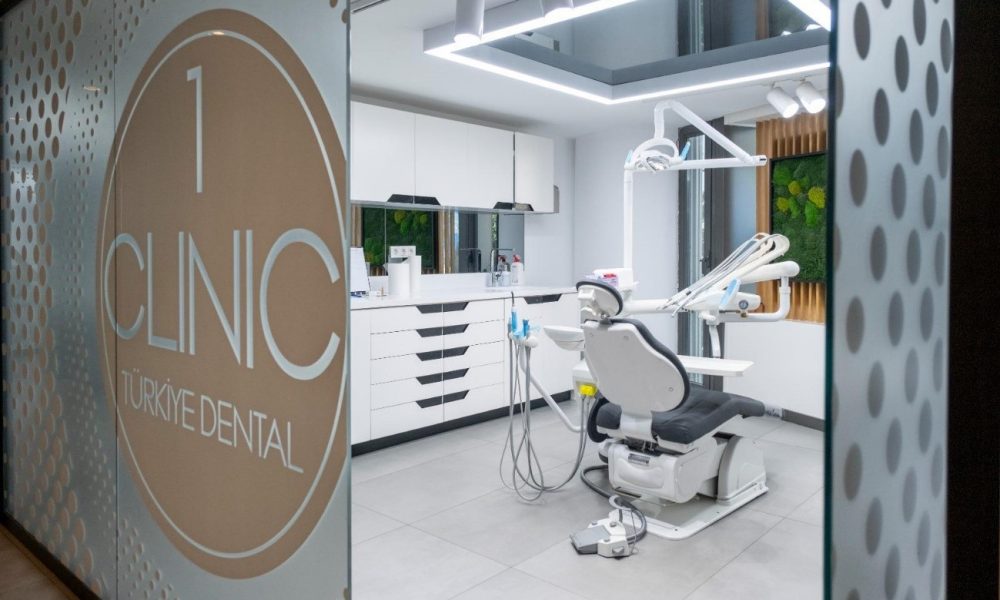
Walk into one of the major clinics in Istanbul and the environment feels closer to a private medical center than a traditional dental office. Digital scanners hum quietly. Screens display 3D smile simulations. Technicians move between rooms carrying ceramic crowns that look indistinguishable from natural teeth.
Treatments themselves have also evolved. Procedures like Hollywood Smile design combine veneers, crowns, and whitening techniques into a coordinated aesthetic plan. Dental implants remain one of the most requested treatments, offering a permanent solution for missing teeth. Materials such as zirconium and Emax crowns are favored for their durability and natural appearance.
Patients are often shown a digital preview before treatment begins.
It’s an oddly reassuring moment.
Clinics increasingly rely on digital smile design systems that simulate the final result before a drill ever touches enamel. For someone who has spent years hiding their teeth in photographs, that preview can feel unexpectedly emotional.
The industry has adapted quickly to international demand. Many clinics now structure their services almost like travel agencies. Airport pickup. Hotel accommodation. Translation services. Carefully scheduled treatment timelines designed around a short stay.
In some cases, patients complete major dental work within a week.
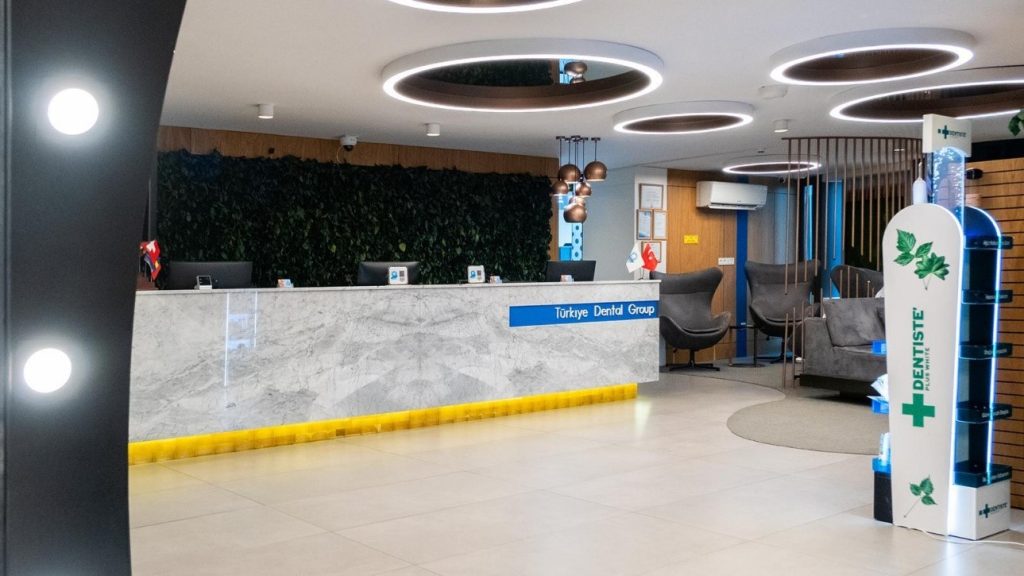
Clinics such as Turkey Dental have built much of their reputation around a coordinated approach. The clinic which is in İstanbul, Nişantaşı has international patient teams handle communication before the trip even begins, guiding visitors through treatment plans, costs, and scheduling. When patients land in Istanbul, the process is already mapped out.
That structure matters.
Dental procedures are rarely casual decisions. Implants, veneers, or full restorations involve long-term commitments. Patients want reassurance not only about cost but also about materials, sterilization standards, and follow-up care.
Many of the clinics serving international patients emphasize strict sterilization protocols, digital imaging technologies, and detailed treatment planning supported by radiological analysis. The goal is not only aesthetic improvement but functional longevity.
The emphasis on aesthetics has also reshaped expectations.
Laminate veneers, for example, are particularly popular for front teeth because they require minimal removal of natural enamel while producing dramatic visual changes. Zirconium crowns offer strength without the metallic appearance older crowns sometimes had. Emax crowns are often chosen when patients want the most natural light reflection possible.
The technical language can sound clinical.
Yet behind it sits something far more personal: the simple desire to smile without hesitation.
For many visitors, the trip blends healthcare with a brief encounter with a new country. Between appointments, patients wander Istanbul’s historic streets, drink strong tea along the Bosphorus, or browse markets while waiting for their next fitting.
It’s a strange intersection of medicine and travel.
But it works.
Turkey’s dental sector now sits firmly within the global health tourism market, growing each year as more patients weigh their options beyond their own national healthcare systems. Clinics compete not only on price but also on technology, patient communication, and aesthetic expertise.
And increasingly, the journey for a better smile begins with a plane ticket.



 Bitcoin
  Ethereum
  Tether
  BNB
BNB  XRP
XRP  USDC
USDC  Solana
  TRON
TRON  Lido Staked Ether
  Cardano
  Avalanche
  Toncoin