
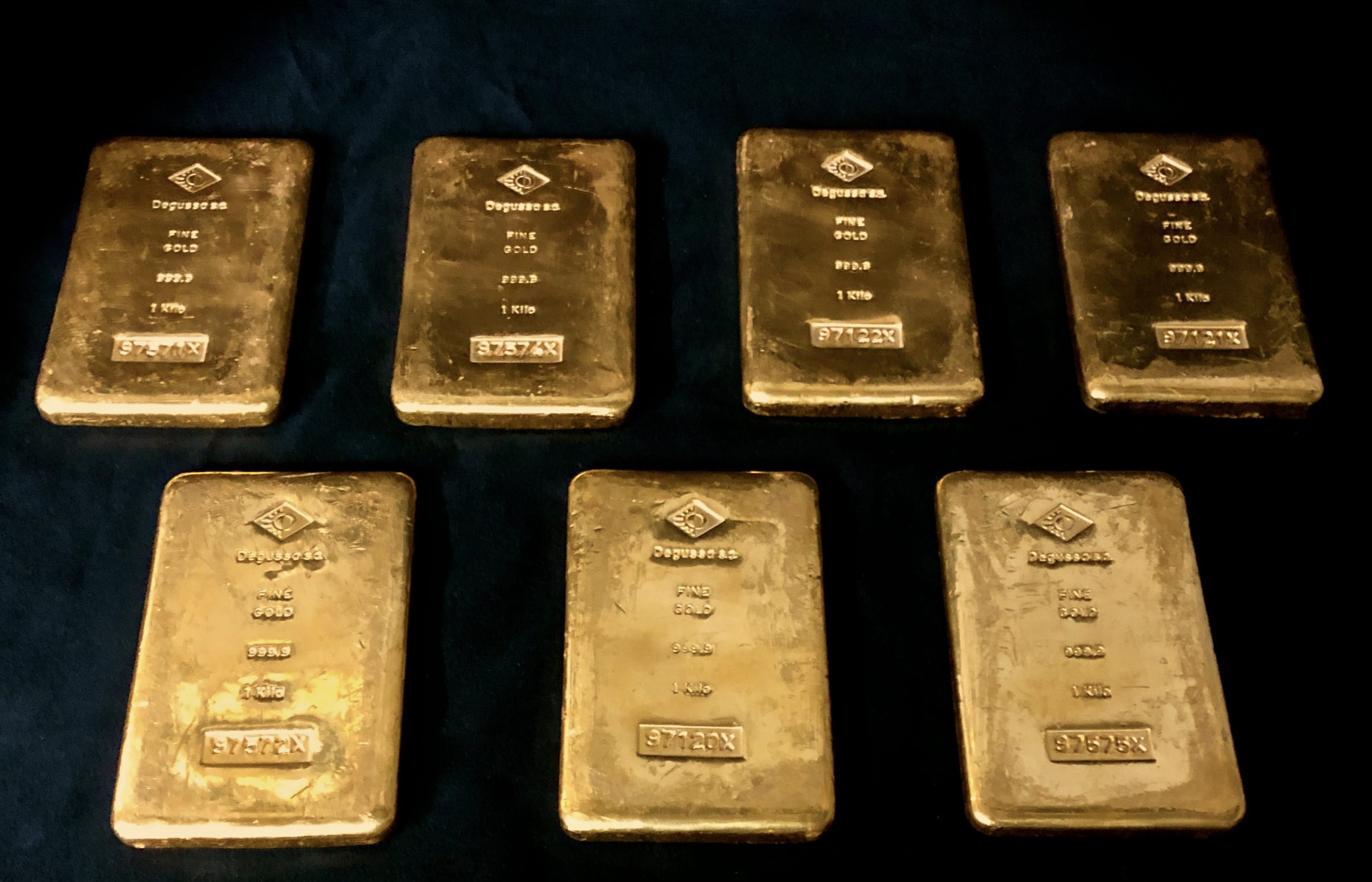
Gold has a way of returning to the conversation just when people start believing finance has fully modernised itself. A market can spend months obsessing over technology shares, central bank speeches, or the latest speculation dressed up as strategy, and then some geopolitical shock or inflation scare arrives and the old metal is suddenly back at the centre of attention. It is not nostalgia. Gold still occupies a peculiar place in market thinking, half commodity, half psychological refuge.
That position was earned over centuries, but it survives because the reasons for owning or watching gold never quite disappear. It does not produce income. It does not innovate. It does not reinvent itself with a better earnings call. And yet investors, central banks, and traders continue to track it with unusual seriousness because gold often responds to the conditions that make everything else feel less certain.
The first thing worth understanding is that gold is not priced in a vacuum. People sometimes talk about it as though it rises simply because fear rises, but the reality is more layered than that. Interest rates matter. Inflation expectations matter. Currency strength matters. So does the general tone of the market, that subtle but powerful shift between confidence and caution that can alter flows across asset classes with surprising speed.
Interest rates remain one of the clearest forces. Gold yields nothing, and that simple fact shapes how investors compare it with other assets. When rates are high, or expected to rise, the opportunity cost of holding gold becomes harder to ignore. Cash pays more. Bonds look more competitive. Income-producing assets regain some of their appeal. Gold can lose momentum not because it has become useless, but because other choices have become more rewarding.
When rate expectations soften, the mood changes.
That dynamic becomes even sharper when inflation enters the picture. Gold has long been treated, rightly or wrongly, as a hedge against the erosion of purchasing power. During periods when inflation appears stubborn or policymakers seem behind the curve, the appeal of an asset that sits outside conventional monetary promises tends to strengthen. It is not a perfect relationship, and markets rarely behave as neatly as textbooks suggest, but inflation anxiety has a way of sending investors back toward gold with renewed seriousness.
The US dollar complicates all this further. Because gold is generally priced in dollars, the relationship between the two is closely watched and often inversely felt. A stronger dollar can make gold more expensive for buyers using other currencies, which may weigh on demand. A weaker dollar, by contrast, often gives gold room to rise. Traders studying XAU/USD know this relationship well, though even here the connection can loosen when fear or policy shocks begin to dominate the picture.
I have always found it slightly remarkable that a metal dug from the ground can still act as such a sensitive measure of confidence in paper systems.
Geopolitics may be the most dramatic driver, though not always the most lasting. Wars, political instability, sanctions, banking stress, and broader global tensions tend to revive gold’s reputation as a defensive holding. One can see this almost in real time when news breaks badly and risk appetite drains from equity markets. Gold does not always surge, but it often begins to attract the kind of attention that tells you people are looking for ballast rather than excitement.
That safe-haven instinct is not merely retail behaviour or media shorthand. It sits inside institutional thinking as well. Large investors know that uncertainty does not arrive politely. It interrupts assumptions. It changes pricing models. It makes correlations wobble. Gold’s appeal during such periods comes less from romance than from memory. Markets have seen this pattern before.
Central banks add another layer that is quieter but perhaps more important over the long term. Many countries continue to hold gold as part of their reserves, and over the past decade some have increased those holdings as a way of diversifying away from traditional reserve assets. This is not the sort of demand that creates noisy daily headlines, but it matters because it supports the market structurally. Central bank buying can alter the supply-demand balance in ways that outlast short-term speculative bursts.
That longer view is easy to miss when daily market coverage becomes too twitchy. Gold is often discussed in the same hurried language used for equities or currencies, but its role is a little different. It sits at the intersection of monetary policy, institutional caution, inflation anxiety, and global distrust. That makes it both reactive and symbolic.
It also means gold cannot be read in isolation. Bond yields tell part of the story. Equity market weakness or exuberance tells another part. Currency moves matter. Commodity trends matter too, especially when inflation pressures are broad rather than isolated. The smartest analysis of gold usually begins by stepping back and asking what kind of environment the broader market believes it is entering.
That question is rarely answered cleanly.
Which is one reason gold remains so fascinating to watch. It behaves like a commodity, but it is also traded like a judgment on policy and fear. It can look defensive one week and speculative the next. It attracts everyone from central bankers to short-term traders, and each group arrives for slightly different reasons. The price on the screen may be a single number, but behind it sits a crowded argument about money, trust, risk, and the durability of economic confidence.



 Bitcoin
  Ethereum
  Tether
  XRP
XRP  BNB
BNB  USDC
USDC  Solana
  TRON
TRON  Lido Staked Ether
  Cardano
  Avalanche
  Toncoin