
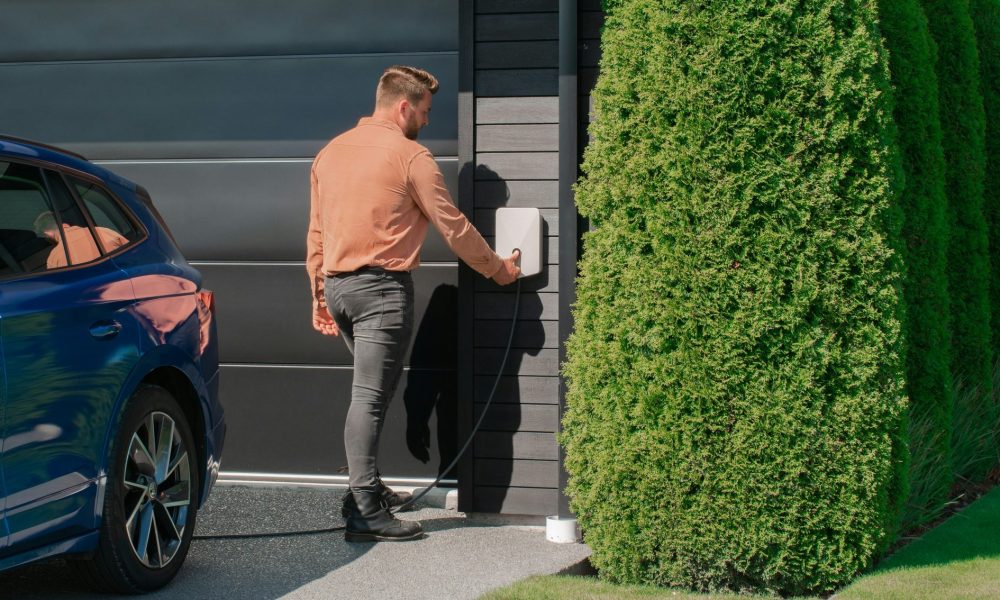
As electric vehicles continue to grow in popularity across the UK, more homeowners are choosing to install charging points at home. It’s convenient, cost-effective, and quickly becoming the standard for EV ownership.
However, one decision that often gets overlooked is where the charger should actually be installed.
It might seem like a small detail, but the location of your EV charger can have a significant impact on cost, usability, and long-term performance. Getting it wrong can lead to unnecessary complications, while getting it right makes daily charging effortless.
Why EV Charger Placement Matters
Installing a home EV charger is not just about finding an empty wall. The position directly affects how easy it is to use and how much the installation will cost.
If the charger is placed too far from your main electrical supply or your parking space, additional work may be required. This can increase both labour time and materials, pushing up the overall cost.
It also affects day-to-day convenience. A poorly positioned charger can quickly become frustrating, especially if cables need to be stretched or repositioned every time you charge your vehicle.
Install It Close to Where You Park
The most practical location for an EV charger is as close as possible to where your car is regularly parked.
For most households, this will be on a driveway or inside a garage. Keeping the charger within easy reach means you can plug in quickly without dealing with long or awkward cable runs.
This also helps reduce wear on the cable and keeps everything neat and safe.
Keep It Near Your Consumer Unit
Another key factor is the distance from your consumer unit, which is where your home’s electricity is distributed.
The closer the charger is to this point, the simpler the installation will be. Longer cable runs often mean more disruption and higher costs, particularly if groundwork or drilling through walls is required.
This is why installers will usually assess both your parking location and your electrical setup before recommending the best position.
What Most Homeowners Get Wrong
Many issues arise simply because the placement hasn’t been thought through properly. Some of the most common mistakes include:
- Installing the charger too far from the vehicle’s parking position
- Ignoring the distance from the consumer unit
- Choosing a location that leads to trailing cables across walkways
- Not considering long-term convenience
Avoiding these early on can make a big difference to both cost and usability.
Safety and Cable Management Considerations
Safety should always be a priority when installing an EV charger at home.
Loose or poorly managed cables can become a trip hazard, particularly in busy households. Positioning the charger so that cables remain short and tidy helps reduce risk and keeps the installation looking clean.
It’s also worth thinking about weather exposure. While most chargers are designed for outdoor use, placing them in a slightly sheltered area can help protect the unit and extend its lifespan.
Choosing the Right Location for Long-Term Use
When deciding where to install your charger, it’s important to think beyond the initial setup.
Consider how you use your space on a daily basis. Will the charger still be convenient in six months or a year? Is it easily accessible in all weather conditions? Does it allow for future changes, such as a different vehicle or parking arrangement?
If you’re unsure, reviewing a detailed breakdown of the best place to install an EV charger at home can help you understand the key factors before committing to an installation.
Final Thoughts
Installing a home EV charger is a smart investment, but like any upgrade, the details matter.
By choosing the right location, you can reduce installation costs, improve safety, and make everyday charging simple and hassle-free. A well-placed charger doesn’t just work better — it becomes a seamless part of your routine.



 Bitcoin
  Ethereum
  Tether
  BNB
BNB  XRP
XRP  USDC
USDC  Solana
  TRON
TRON  Lido Staked Ether
  Cardano
  Avalanche
  Toncoin