
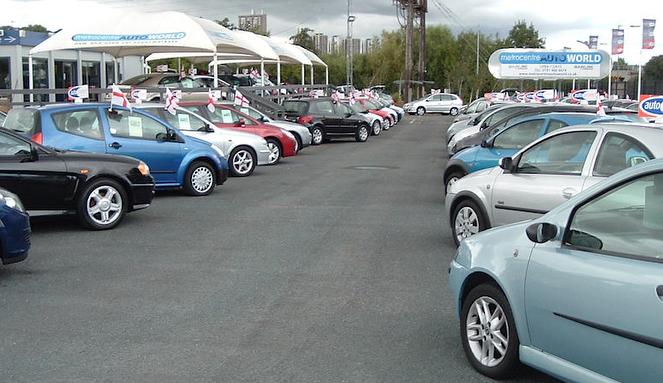
Something’s changed. A search for used cars now throws up far more electric models than it did even a short while ago, and that says a lot about where the market is heading.
What used to feel like a bold move is starting to look pretty ordinary. Electric vehicles are no longer the odd one out on British roads. They’re part of the mix now. And because more people made the switch in recent years, more of those cars are filtering into the second-hand market through part-exchanges and the end of lease deals. That opens up a fair question: is this finally the right moment to buy one?
The choice is definitely better.
A few years back, used EV options could feel thin on the ground. Not now. Cars first registered several years ago are coming back around, and that natural cycle is giving buyers a much wider field to pick from. Small city cars, family-sized models, something in between — it’s all starting to show up. Electric motoring doesn’t sit in its own little corner anymore. It’s folding into the everyday used market.
That matters more than people think.
Price, of course, is where most conversations end up. New electric cars can still look expensive at first glance, sometimes painfully so. Used models change that equation. They bring the cost down to a level that feels far more realistic for plenty of households, which is a big reason interest keeps building.
And then there’s the running-cost question.
Petrol and diesel prices have a habit of bouncing around just when you don’t want them to. Charging, whether at home or out in public, can feel steadier by comparison. Will every driver save a fortune? Not necessarily. A lot depends on mileage, charging habits, and the deals available locally. Still, the chance of lower day-to-day costs keeps drawing people in — and fair enough.
You can see that shift in local searches too. Browse used cars in Swansea and electric options now sit alongside petrol and diesel ones as part of a regular car hunt, not some separate niche for tech enthusiasts. That’s a change in mindset as much as inventory.
Confidence has grown as well.
Early on, plenty of buyers were wary of used EVs. They wondered how the batteries would hold up. They worried the cars might age badly or bring surprise costs later. Reasonable concerns. But the longer electric cars have stayed on the road, the less mysterious they’ve seemed. People have now watched neighbours, friends, and workmates drive them for years without the whole thing feeling experimental.
That familiarity helps. A lot.
Dealers are more comfortable talking through the details now too — charging, range, ownership, the lot. Buyers aren’t left trying to piece it together themselves. When something becomes common, it simply feels less risky. That’s human nature.
Charging access is part of this story as well. It’s still uneven, sure, and nobody sensible would pretend otherwise. But the difference compared with a few years ago is obvious. Chargers are showing up in supermarket car parks, town centres, and motorway services. For drivers with off-street parking, home charging is also starting to feel routine rather than complicated.
Picture a typical week: school run, commute, supermarket, maybe a visit across town. For plenty of people, that’s the whole pattern. If your driving looks like that — predictable, local, manageable — a used EV may already do the job perfectly well. No drama. No major compromise.
So, is this the perfect time to buy? Maybe. Maybe not.
There’s never one magic moment with cars. Electric tech will keep improving, and future models will almost certainly go farther and pack in newer features. Some buyers will want to wait for that. Makes sense.
But others won’t need to.
If the range works for your routine and charging is easy enough where you live, the current crop of used cars may already offer exactly what you need: more choice, lower entry prices, and a type of ownership that no longer feels unusual. That’s the real shift. Used electric cars aren’t a curiosity now. They’re just cars — and for a growing number of motorists, that’s reason enough to take them seriously.



 Bitcoin
  Ethereum
  Tether
  BNB
BNB  XRP
XRP  USDC
USDC  Solana
  TRON
TRON  Lido Staked Ether
  Cardano
  Avalanche
  Toncoin