
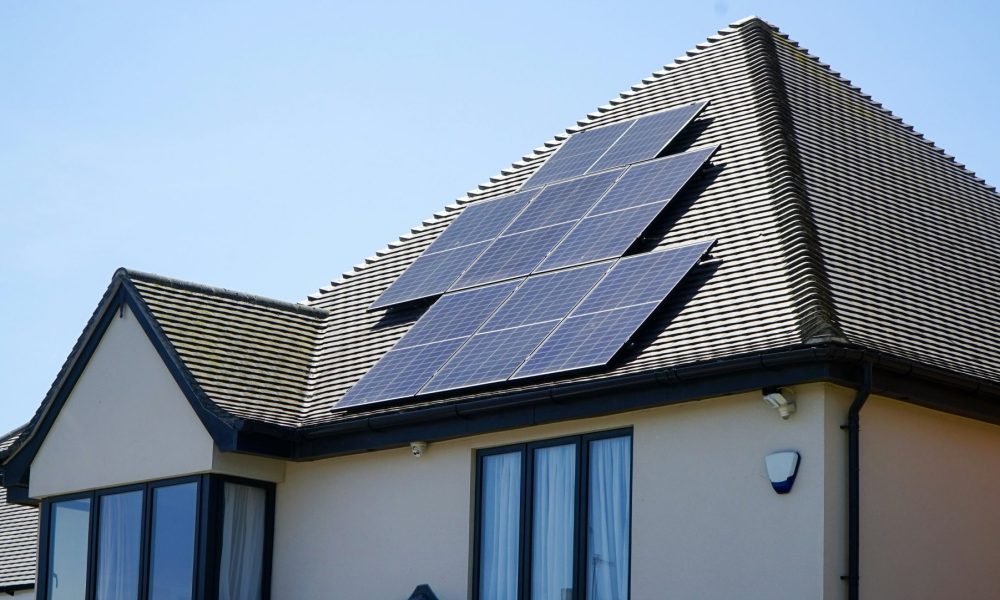
As energy prices continue to fluctuate across the UK, more homeowners are starting to explore long-term ways to reduce their reliance on the grid. Solar panels are quickly becoming one of the most talked-about solutions, but for many, the technology still feels unclear.
How do they work? Are they worth it? And what should you actually expect if you decide to install them?
Understanding the basics is often the first step towards making a confident decision.
How Solar Panels Work
At a simple level, solar panels convert sunlight into electricity that can be used to power your home.
They are typically installed on the roof, where they capture daylight and generate energy throughout the day. This electricity can then be used to run appliances, lighting, and other systems in your home.
Any energy you don’t use immediately can either be exported back to the grid or stored for later use, depending on your setup.
The key advantage is that you are generating your own power, which reduces how much you need to buy from your energy supplier.
Why More UK Homeowners Are Making the Switch
Solar is no longer seen as a niche upgrade. It is becoming a mainstream option for homeowners looking to manage rising energy costs and future-proof their property.
There are a few key reasons behind this shift.
First, energy bills remain unpredictable, making it harder for households to plan long-term. Generating your own electricity offers a level of control that traditional energy supply simply cannot provide.
Second, awareness around energy efficiency has increased. Homeowners are now actively looking for ways to improve their property’s performance rather than relying on short-term fixes.
Finally, solar technology has become more accessible. Installation is more straightforward than many expect, and systems are designed to work effectively even in the UK’s climate.
What Kind of Savings Can You Expect?
One of the biggest drivers behind solar adoption is cost savings.
By generating your own electricity, you reduce the amount you need to purchase from the grid. Over time, this can lead to noticeable reductions in monthly energy bills.
The exact savings will depend on factors such as your energy usage, roof orientation, and system size. However, many homeowners find that solar significantly reduces their reliance on traditional electricity.
Over the long term, these savings can add up to thousands of pounds.
Key Benefits Beyond Lower Bills
While financial savings are often the main focus, solar panels offer several additional advantages.
- Greater energy independence, reducing reliance on external suppliers
- Increased property appeal due to improved energy efficiency
- Lower environmental impact through the use of renewable energy
These benefits combine to make solar not just a cost-saving measure, but a broader upgrade to how your home performs.
What to Consider Before Installing Solar
Although solar panels are a strong investment for many households, they are not a one-size-fits-all solution.
Before installing, it is important to consider a few key factors.
Roof suitability is one of the most important. Panels perform best on roofs that receive consistent sunlight throughout the day. Shading from trees or nearby buildings can affect performance.
Energy usage is another factor. Homes that use more electricity during the day tend to benefit more, as they can make use of the energy being generated in real time.
Budget also plays a role. While solar provides long-term savings, it does require an upfront investment, so it is important to think about both short-term affordability and long-term return.
For those looking to understand these factors in more detail, reviewing a full solar panels guide can help clarify what to expect and whether the system is right for your property.
Is Solar Worth It in 2026?
For many UK homeowners, the answer is increasingly yes.
Solar panels are no longer just about environmental benefits. They are now a practical financial decision that can reduce energy bills, protect against rising costs, and improve the overall efficiency of a home.
With systems lasting decades, the long-term value becomes more apparent over time. Once the initial investment is recovered, the electricity generated effectively becomes free.
This is what makes solar stand out compared to many other home improvements.
Final Thoughts
As energy costs continue to shape household budgets, homeowners are becoming more proactive in how they manage their consumption.
Solar panels offer a clear way to take control, reduce reliance on the grid, and create long-term savings. While they may not be the right solution for every property, they are becoming an increasingly common feature in UK homes.
For those considering the switch, understanding how the technology works and what to expect is the first step towards making a smarter, more informed decision.



 Bitcoin
  Ethereum
  Tether
  BNB
BNB  XRP
XRP  USDC
USDC  Solana
  TRON
TRON  Lido Staked Ether
  Cardano
  Avalanche
  Toncoin