
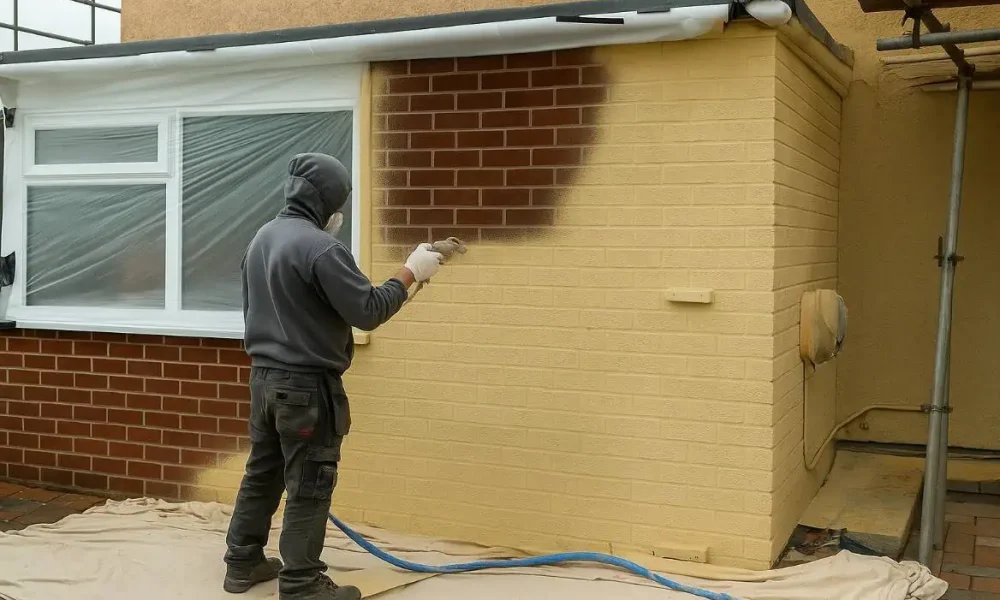
With the cost of home improvements continuing to rise across the UK, more homeowners are starting to think beyond upfront pricing and focus on long-term value. Whether it’s insulation, roofing, or external coatings, the real question is no longer just “how much does it cost?” but “how long will it last?”
This shift in mindset is driving increased interest in alternatives to traditional render and paint, particularly solutions that offer durability alongside energy efficiency. One of the options gaining attention is spray cork.
But is it actually worth the investment?
Why Upfront Cost Can Be Misleading
Many exterior finishes appear affordable at first glance. A fresh coat of paint or standard render can improve the appearance of a property quickly and at a relatively low cost.
However, these solutions often come with ongoing maintenance requirements.
Paint can begin to fade, peel, or discolour within a few years, especially when exposed to the UK’s changing weather conditions. Render, while more durable, is prone to cracking over time due to temperature fluctuations and structural movement.
These issues are not just cosmetic. Once cracks or damage appear, they can allow moisture into the building fabric, leading to more expensive repairs.
Over time, the need for repainting, patching, or re-rendering can significantly increase the total cost of ownership.
What Makes Spray Cork Different?
Spray cork is designed to provide a long-lasting, flexible coating that performs differently from traditional materials.
Applied directly to external walls, it forms a seamless layer that expands and contracts with the building. This flexibility helps prevent the cracking that is commonly seen with more rigid finishes.
It is also breathable, allowing moisture to escape rather than becoming trapped within the walls. This reduces the risk of damp-related issues, which are a common concern in UK homes.
Unlike paint, which is primarily decorative, spray cork serves both a protective and insulating function, making it a more comprehensive solution.
The Importance of Longevity
When evaluating whether a product is worth the investment, lifespan is one of the most important factors.
A solution that lasts significantly longer reduces the need for repeated work, which saves both money and disruption over time.
In the case of external wall coatings, this can make a substantial difference. Repainting a property every few years or repairing cracked render is not just a financial cost, but also an ongoing inconvenience.
By comparison, a longer-lasting solution allows homeowners to invest once and benefit for years to come.
For those looking into the long-term performance of modern coatings, understanding spray cork lifespan can help provide a clearer picture of how it compares to more traditional options.
Comparing Long-Term Costs
To understand the value of spray cork, it helps to look beyond initial pricing and consider total cost over time.
- Exterior paint typically needs refreshing every 5 to 10 years
- Traditional render may last longer but often requires repairs due to cracking
- Spray cork can last decades with minimal maintenance
While the upfront cost of spray cork may be higher, the reduced need for maintenance and replacement can make it more cost-effective in the long run.
This is particularly relevant for homeowners planning to stay in their property for many years, where long-term savings become more noticeable.
Additional Benefits That Add Value
Beyond longevity, spray cork offers several features that contribute to its overall value.
It improves thermal performance by reducing heat loss through external walls, which can help lower heating costs over time. It also acts as a protective barrier against weather exposure, helping to preserve the condition of the building.
Because it forms a continuous, seamless coating, it eliminates many of the weak points where damage typically occurs. This not only extends the lifespan of the coating itself but also protects the structure underneath.
These combined benefits make it more than just a cosmetic upgrade.
Where It Makes the Most Sense
Spray cork is particularly well suited to properties that are already experiencing issues with heat loss or external wear.
Older homes with solid walls often benefit the most, as they tend to lack effective insulation. It is also a strong option for properties with ageing render that may be showing signs of cracking or deterioration.
Because it can be applied to a wide range of surfaces, it offers flexibility across different property types without requiring major structural changes.
Is It Worth It?
For homeowners focused purely on upfront cost, traditional options may still seem appealing.
However, for those looking at the bigger picture, spray cork offers a different kind of value. Its durability, low maintenance requirements, and added insulation benefits combine to create a solution that performs over the long term.
Rather than needing to revisit the same problem every few years, homeowners can invest once and reduce both ongoing costs and future disruption.
Final Thoughts
As homeowners become more financially conscious, the focus is shifting towards solutions that deliver lasting results rather than temporary fixes.
Spray cork fits into this trend by offering a combination of longevity, protection, and efficiency. While the initial investment may be higher than traditional finishes, the long-term benefits can make it a more practical and cost-effective choice.
For those weighing up their options, it is clear that lifespan plays a crucial role in determining true value. In that context, spray cork is becoming an increasingly attractive option for UK homes.


 Bitcoin
  Ethereum
  Tether
  BNB
BNB  XRP
XRP  USDC
USDC  Solana
  TRON
TRON  Lido Staked Ether
  Cardano
  Avalanche
  Toncoin