
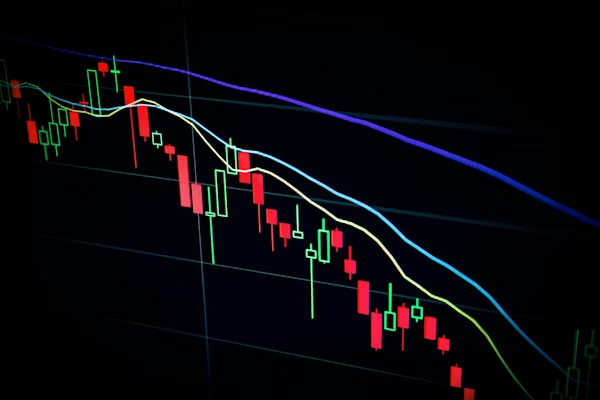
Markets don’t wait. The moment fresh numbers hit the wire, prices can jump in currencies, stocks, and commodities before most people have even finished reading the headline. That’s exactly why an economic calendar remains such a practical tool for traders. Analysts at IBO International, a globally known trading broker, point to it as a straightforward way to keep up with market-moving events and think a bit more carefully before placing a trade.
The logic is simple enough.
Governments and institutions release data on a schedule: interest rate decisions, inflation figures, employment reports, growth updates. None of this lands quietly. These releases help shape how investors judge the strength of an economy, and that judgment often spills straight into the price of a currency or a broader market move.
Take the Federal Reserve. Traders everywhere watch its rate decisions because they don’t just affect the United States; they ripple outward. If the Fed hints that rates may climb, the US dollar often strengthens because higher rates can pull in more investment. If rate cuts start to look likely, the mood changes fast and the currency can soften as expectations shift.
Employment numbers can do the same thing.
The monthly report from the U.S. Bureau of Labor Statistics has a habit of waking markets up in a hurry. Stronger-than-expected job growth tends to suggest an economy with some momentum behind it, and investors react. Sometimes quickly. Sometimes a little too quickly.
This is where things get tricky.
A lot of economic announcements create sharp price swings in a matter of seconds. That usually happens when the real figure lands far from what analysts had forecast. Traders reprice risk. Expectations get rewritten. Charts start looking messy. And if you walked into that moment unprepared, you’re suddenly reacting instead of deciding.
An economic calendar helps by showing when those moments are likely to arrive. Traders can look ahead, spot the bigger announcements, and choose their approach. Some will stay out of the market until the dust settles. Others will sit tight and wait for a clearer setup after the release. Fair enough. Either way, they aren’t trading blind.
Inflation data is a good example. Over the past few years, inflation has sat near the centre of market thinking across major economies. Reports like the Consumer Price Index can shift views on what central banks might do next. If inflation comes in hotter than expected, investors may start pricing in tougher monetary policy — and markets can snap into motion almost at once.
But wait. Economic data isn’t the whole story.
Geopolitics can hit just as hard, sometimes harder. Tensions and military conflict in the Middle East, for example, have drawn close attention from traders because they can affect energy supply and broader investor confidence. When headlines suggest conflict is escalating, oil often reacts fast. Gold can move too, as money looks for somewhere safer to sit while the situation unfolds.
Picture a trader checking inflation data in the morning, only to see a breaking geopolitical headline hit an hour later. That’s the real market: layered, messy, and rarely polite enough to move one issue at a time.
That’s why analysts at IBO International suggest watching scheduled data and major global developments together. One tells you what’s supposed to happen. The other reminds you that markets don’t always stick to the script.
Timing matters as well. Many traders avoid opening positions just before a major release because price action can turn erratic and stop-loss orders may get triggered before a trade has any chance to settle. Others prefer to wait until the numbers are out, then look for direction once the first burst of volatility starts to fade.
Used properly, an economic calendar doesn’t predict the future. It just helps traders avoid being surprised by the obvious — and in markets, that alone can be a serious advantage.



 Bitcoin
  Ethereum
  Tether
  XRP
XRP  BNB
BNB  USDC
USDC  Solana
  TRON
TRON  Lido Staked Ether
  Cardano
  Avalanche
  Toncoin