
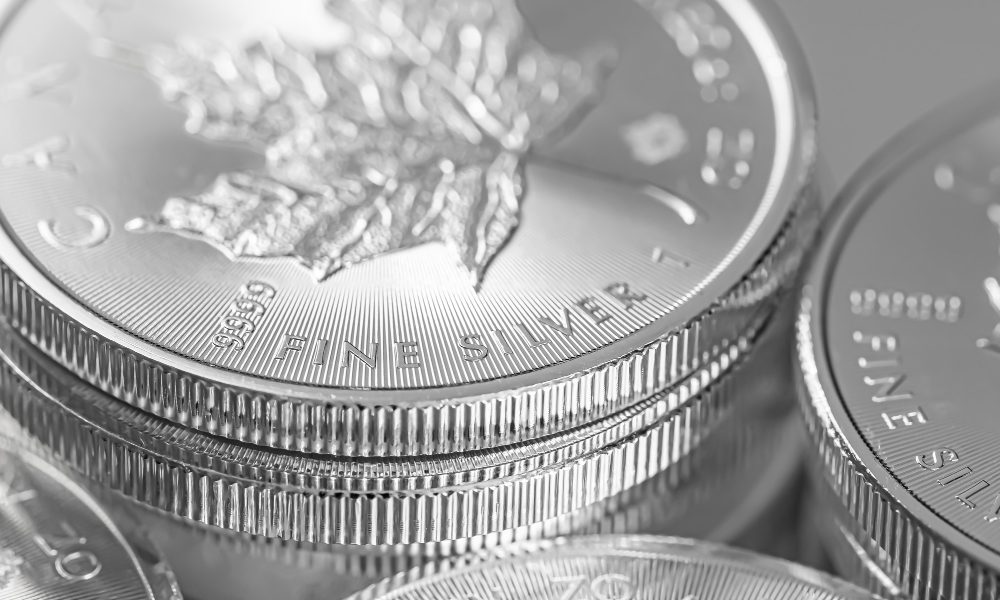
Old Silver Coins at the Back of a Drawer? Here’s How to Find Out What They’re Actually Worth

Many British households are sitting on more silver than they realise.
Old coins passed down through families, collected from car boot sales, or inherited from relatives often contain genuine silver — and with silver prices at historically elevated levels, the melt value of those coins can be surprisingly significant.
The challenge is that most people have no straightforward way to work out what their coins are worth in silver terms. That’s where understanding a few key dates and using the right tools can make all the difference.
The Silver Cutoff Dates Every Collector Should Know
British coinage has a hidden history that most people outside numismatic circles aren’t aware of.
Until 1920, standard British circulation coins — including shillings, florins, halfcrowns, and sixpences — were struck in sterling silver, containing 92.5 percent silver by weight.
In 1920, the silver content was reduced to 50 percent as the government responded to rising silver prices in the aftermath of the First World War.
Then in 1947, silver was removed from British circulation coinage entirely. Post-1946 coins of the same denominations — though they look similar — are cupro-nickel and contain no silver at all.
What this means practically is that two coins sitting in the same tin, looking nearly identical, can have dramatically different values: one worth its face value, and the other worth several pounds in raw silver content alone.
Why Melt Value Matters
The melt value of a coin is simply what the silver it contains is worth at the current spot price — independent of any numismatic or collector premium.
For common circulation coins in average condition, melt value is often the floor price. A pre-1920 sterling silver shilling, for example, weighs 5.66 grams. At 92.5 percent purity, that gives you approximately 5.23 grams of actual silver. At current silver prices, that single coin contains more silver value than most people expect.
For larger holdings — a collection of pre-decimal halfcrowns, a set of silver florins, or a box of assorted pre-war coinage — the aggregate silver value can run into hundreds of pounds.
How to Calculate It
Calculating melt value manually requires knowing three things: the coin’s weight, its silver purity as a decimal, and the current silver spot price per gram.
The formula is straightforward: weight (grams) × purity × spot price per gram = melt value.
For anyone without a precise scale or who wants to check multiple coins quickly, online tools take the effort out of the process. The silver coin melt value calculator at WorldSilverMeltGuide.com lets you calculate silver coin melt values for a wide range of coins using live spot prices — including many common British and international silver coins — without needing to do the arithmetic yourself.
For inherited collections or mixed lots of old coinage, running through a calculator is a useful first step before deciding whether to sell, insure, or simply hold the silver.
Beyond Coins: Silverware and Hallmarked Items
The same principle applies to hallmarked silver items — cutlery, candlesticks, jewellery, and decorative pieces. British hallmarks indicate the silver standard: 925 (sterling), 800, or occasionally 958 (Britannia silver).
If you know the weight and the hallmark, the melt value calculation is the same. A set of sterling silver teaspoons weighing 180 grams combined contains around 166 grams of pure silver — a meaningful amount at any point when silver is trading well above £30 per ounce.
What to Do With the Information
Knowing the melt value doesn’t mean you should immediately sell. It gives you a baseline.
If a coin or piece has collector appeal — rare dates, good condition, or historical significance — it may command a premium well above melt value through a specialist dealer or auction. The melt value is where the floor sits, not the ceiling.
For common circulated coins in average condition, melt value and resale value tend to converge. In that case, comparing offers from bullion dealers against the calculated melt value is a reasonable way to ensure you’re not leaving money on the table.
Either way, knowing what you have is the sensible first step — and it takes about five minutes.


 Bitcoin
  Ethereum
  Tether
  XRP
XRP  BNB
BNB  USDC
USDC  Solana
  TRON
TRON  Lido Staked Ether
  Cardano
  Avalanche
  Toncoin