
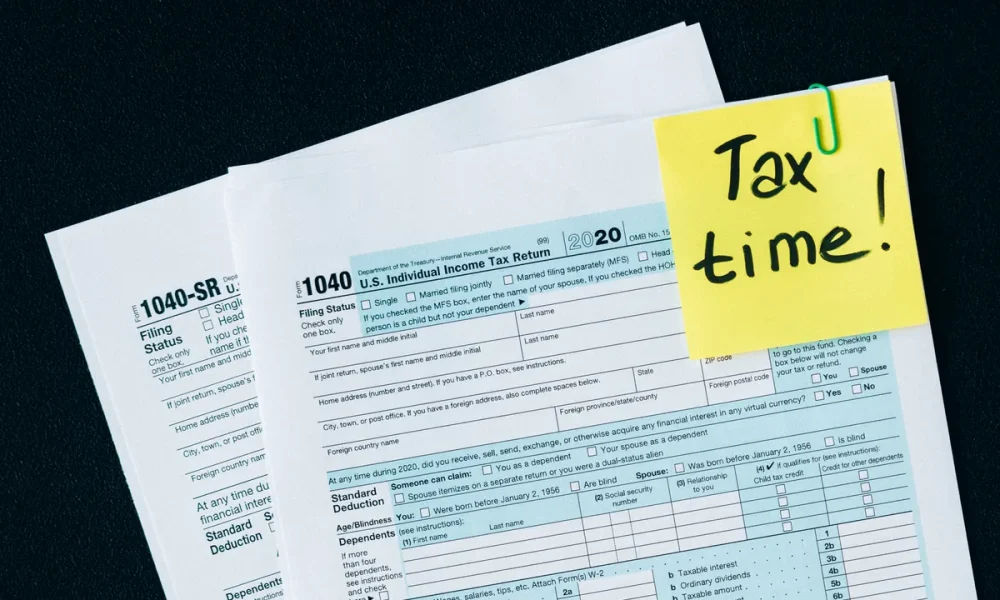
Inheritance tax late penalties are being issued by HMRC at a rate 35% higher than five years ago, with 5,200 estates hit in 2024-25 compared with 3,850 in the equivalent period five years prior, according to Freedom of Information data obtained by TWM Solicitors. Those penalties totalled £3.1m in 2024-25, a figure that reflects both rising estate values and the growing complexity families face when filing without professional help.
Why Inheritance Tax Late Penalties Are Rising
The penalty structure escalates quickly. An initial £100 fine applies on the first day a return is late, rising to up to £3,000 after 12 months. For families already dealing with probate, those deadlines can arrive faster than expected.
Duncan Mitchell-Innes, partner and deputy head of private client at TWM, points to a shift in who is filing. More families are attempting returns without specialist advice, often without realising the scale of what is involved. ‘People often underestimate the complexity of the UK’s IHT rules. What seems like a straightforward task can quickly become time-consuming and technically challenging, particularly when HMRC requires extensive supporting evidence. This can lead to penalties if deadlines are missed,’ he said.
The core form, the IHT400, contains 122 questions. That alone requires detailed financial and historical information, but in most estates it must be accompanied by supplementary schedules, of which there are more than 30 depending on the nature of the assets involved.
Asset valuation is where returns tend to stall. Residential property requires a professional valuation; market estimates do not satisfy HMRC. Shares have their own specific valuation methodology for IHT purposes. Executors must also trace bank accounts, investments and historical gifts, sometimes stretching back more than seven years under the seven-year gifting rule. Many banks still communicate this information only by post, adding weeks to the process.
Threshold Freeze and the Reliefs Many Families Miss
The pressure on families has been building for years. The standard nil rate band of £325,000 per person has been frozen since 2009 and, following the 2024 Budget, that freeze now extends to 2030. An average house in many parts of the country is enough on its own to trigger a liability.
A residence nil rate band of £175,000 per person is also available where a qualifying home passes to direct descendants, including children, grandchildren, stepchildren and adopted children. Nieces and nephews do not qualify, a detail that catches some families out. The combined allowance of £500,000 per person can be transferred between spouses, potentially shielding up to £1m from a couple’s estate.
Beyond the nil rate bands, there are reliefs that families handling their own returns routinely miss. Gifts made out of surplus income, or those made more than seven years before death, can be exempt, but evidence must be gathered and the exemption actively claimed. The Office for Budget Responsibility notes that the IHT rate reduces to 36% if at least 10% of the net estate above the threshold is left to charity, an option that can meaningfully change the bill for some estates.
Mitchell-Innes is direct on the risk of going it alone: ‘Reliefs aren’t applied automatically. People must actively claim reliefs and exemptions and find the evidence to support them where needed, which can be time-consuming. Without proper advice, families risk penalties and leaving valuable reliefs unclaimed.’
Pension Wealth Drawn Into IHT From April 2027
The volume of late penalties is set to increase further. From April 2027, unused pension pots will fall within the IHT net, including those held in qualifying non-UK pension schemes and section 615(3) schemes, according to HMRC’s technical note. Personal representatives will need to determine the value of a member’s pension property immediately before death.
The government’s own estimates, cited by David Gray LLP, put the number of estates with inheritable pension wealth in 2027-28 at around 213,000. Of those, around 10,500 estates, roughly 1.5% of total UK deaths, will become liable for IHT where they would not previously have been. The original design placed reporting and payment liability on pension scheme administrators rather than personal representatives; the final rules shifted that burden.
HMRC has committed to providing interactive tools to support personal representatives by April 2027, though the extent to which those tools will simplify a process that already defeats many executors remains to be tested. The first wave of pension-related returns will be the real measure.


 Bitcoin
  Ethereum
  Tether
  BNB
BNB  USDC
USDC  XRP
XRP  Solana
  TRON
TRON  Lido Staked Ether
  Cardano
  Toncoin
  Avalanche