Bitcoin
  Ethereum
  Tether
  BNB
BNB  USDC
USDC  XRP
XRP  Solana
  TRON
TRON  Lido Staked Ether
  Cardano
  Gram (prev. Toncoin)
  Avalanche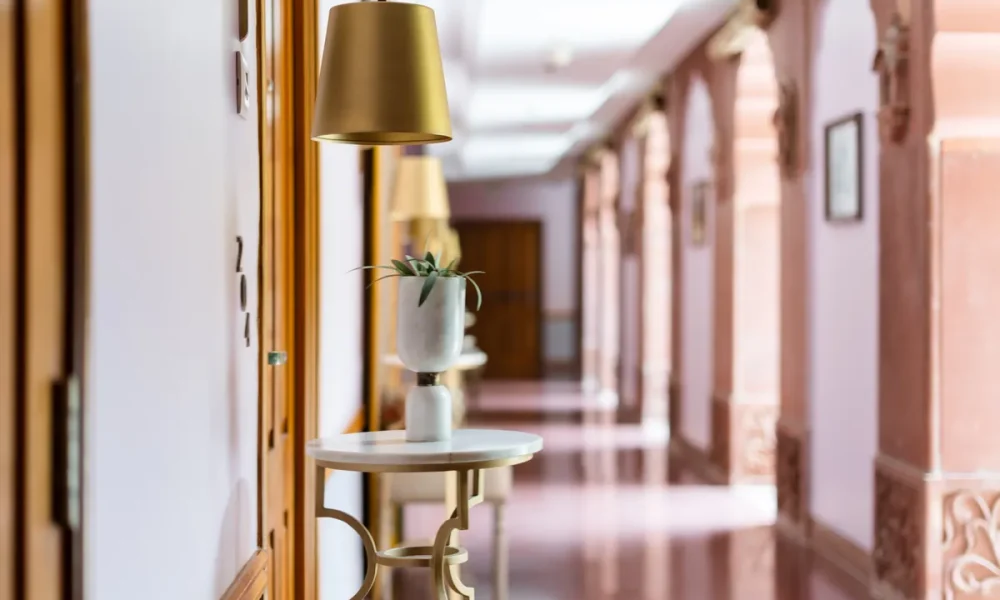
Among Rome’s recent luxury openings, the Romeo Roma hotel review conversation centres on one question: how successfully does a decade-long renovation translate a Renaissance palazzo into a modern five-star address? The answer, based on a stay at the property, is convincingly well.
What was once a 16th-century palazzo belonging to the Capponi family has been combined with two adjacent buildings and overhauled under the direction of the late British architect Zaha Hadid and her team over a decade-long project completed last year. The hotel is part of the Small Luxury Hotels of the World collection, which operates in partnership with the Hilton group, and sits a few steps from the Piazza del Popolo, placing guests at the northern edge of Rome’s historic centre, with the Palazzo Borghese, the Trevi Fountain and the Pantheon all within comfortable reach.
Romeo Roma Hotel Review: What the Rooms Actually Deliver
The lobby sets the tone before the lift has been called. Gilded decoration, Art Deco ceilings and a central waterfall combine to produce something that recalls a 1920s film set. Bedrooms are fitted with large television screens, whirlpool baths positioned beside the beds, and what the hotel terms “emotional showers,” a multi-sensory arrangement.
Krion panelling, a high-specification material found on some of the world’s most expensive private vessels, runs through the interiors. The contrast between the gilded public spaces and the cleaner lines of the bedrooms is deliberate: Hadid’s team preserved the drama of the palazzo’s bones while keeping the private areas spare enough to function as a genuine retreat.
The suite range escalates considerably from there. One of the largest includes a roof garden. The pièce de résistance, by the hotel’s own reckoning, is the two-level Fresco suite, where wall paintings created centuries ago form the backdrop to the sleeping quarters. Deluxe rooms start from €1,600 a night.
Ancient Rome Beneath the Floorboards
The renovation uncovered a large number of historic artefacts, some over 2,000 years old, and the hotel has incorporated rather than archived them. A marble sculpture of Livia Drusilla, wife of the Emperor Augustus and one of ancient Rome’s most influential women, is among the pieces on display around the property. Ancient mosaics can be viewed directly or through the glass floor of the swimming pool, which spans both the hotel interior and the courtyard, keeping it usable in any season. The ancient and the contemporary exist in the same square footage without either overwhelming the other, which is a harder balance to strike than it looks.
The spa is operated by Sisley Paris and its menu centres on “phyto-aromatic treatments,” combining plant extracts and essential oils with massage techniques from around the world. A “Sicilian salt chamber” is positioned as beneficial to breathing, immune function, skin and stress levels. The hotel also provides a fitness centre, a cigar lounge and a games room equipped with a billiard table designed by Porsche.
Dining at Il Ristorante Alain Ducasse Roma
Fine dining is now assumed at this level of property, but the kitchen overseen by Alain Ducasse operates at a different register from most. The seven-course Drusilla Primavera “experience” is priced at €305 per person and moves through caviar, blue lobster cooked over embers and roasted deboned saddle of lamb served with asparagus and wild garlic zabaione, before ending with a dish that arrives in a billow of vapour from dry ice. Part food science, part theatre.
The hotel is situated roughly half an hour’s walk from most of Rome’s major attractions, from St Peter’s Square to the Colosseum. As a Romeo Roma hotel review credential, inclusion by Condé Nast Traveler carries weight: the Romeo Collection confirms the hotel has been selected for the Readers’ Choice Awards 2026, featured in both the US and UK editions, with surveys open until 30 June.
Romeo Roma is in its first full year of trading following the completion of a decade-long renovation. Those planning a Rome stay in the coming months should confirm availability for the Fresco suite early: it is the room most likely to define a Romeo Roma hotel review and, potentially, to justify the trip.