Bitcoin
  Ethereum
  Tether
  BNB
BNB  USDC
USDC  XRP
XRP  Solana
  TRON
TRON  Lido Staked Ether
  Cardano
  Gram (prev. Toncoin)
  Avalanche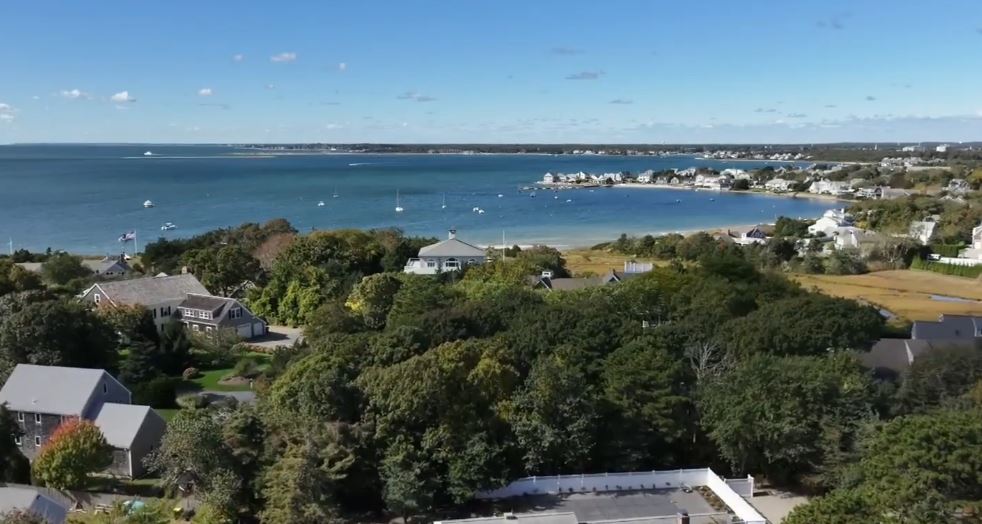
Cape Cod Cliff House Mortgage Lawsuit: Lawyer Claims Bipolar Mania Made Him Buy a Doomed Mansion

There is a certain type of story that seems almost too bizarre to take seriously, but you still follow it because there is something genuinely worthwhile hidden beneath the absurdity. That kind of story is the mortgage lawsuit involving the Cape Cod cliff house.
In November 2021, 66-year-old retired New York lawyer John G. Bonomi Jr. purchased a $5.5 million mansion in Wellfleet, Massachusetts. With five bedrooms, seven bathrooms, and expansive sunset views, the house was perched on a bluff with views of Wellfleet Harbor and Cape Cod Bay. It’s the kind of place that makes you understand why people spend money they might not have otherwise. Additionally, according to recorded accounts, it was situated on land that was eroding at a rate of 3.8 to 5.6 feet annually. Since then, the house has been destroyed. Neither by neglect nor by age. To prevent it from actually falling into the sea, it was demolished.
Bonomi is suing JPMorgan Chase in federal court to have his $3,850,000 mortgage paid off. He claimed that he was not mentally competent when he signed the documents because he was going through a manic episode brought on by his 2009 diagnosis of Bipolar I Disorder.
This is easy to laugh at. Online users have, without a doubt. “Wouldn’t it be great to have enough money to first do an incredibly stupid thing and then go to court and ask for a mulligan?” was one comment that went viral. That succinctly captures the feelings of the majority of people.
However, there is a legal component to this that is more difficult to ignore. There is precedent in New York State that permits mental health issues to be grounds for contract invalidation in specific situations. According to Bonomi’s filing, he was experiencing “uncontrollable manic psychosis” and, given the property’s condition, no reasonable person would have paid the asking price. In that sentence, the phrase “no rational person” is doing a lot of legal work.
The burden of proof is still quite high. Fordham law professor Ethan Leib has noted that it’s really unclear how a bank would be expected to identify that a borrower was experiencing manic symptoms. A further twist is added by Bonomi’s own filing, which claims that a Chase lending officer willfully disregarded records indicating Bonomi would be retiring in a few months. This is allegedly due to Chase’s internal policy of not extending mortgages to borrowers within three years of retirement. If that accusation is true, it rewrites part of the story to include a deal that should have been reported but wasn’t, rather than just a buyer who made a careless choice.
Bonomi paid $21,053 every month for almost three years, from November 2021 to September 2024, before ceasing. The most difficult aspect of his case is probably that timeline. An impulsive choice may be explained by a manic episode. It is more difficult to defend five-figure payments that have been made consistently for three years before someone determines that the entire transaction was void from the beginning. Both online commenters and legal observers have observed this disparity.
Before Bonomi ever saw the property, it had an odd past. Despite the National Park Service’s objections, a couple constructed it in 2010. In 2021, the year it was sold, the town of Wellfleet valued it at more than $4.83 million. Bonomi’s purchase appears to have been influenced by a three-minute promotional video, which was called “seductive” in the court document. That information might not be useful to him in court.
After first trying to have the lawsuit dismissed, JPMorgan Chase denied the accusations in May. The case is still pending.
Although $3.85 million is not insignificant, the money isn’t what makes this lawsuit worthwhile to watch. What a lender owes a borrower in terms of due diligence—on the borrower’s mental state, retirement status, and the physical stability of the collateral—are the questions that lie beneath it. And who wasn’t paying attention when a deal closes on a house that, according to all environmental evidence, will vanish within ten years?
As this case progresses, there’s a sense that neither side emerges from it looking especially cautious.