ProCook Share Price Recovery Gathers Pace After 50% Surge
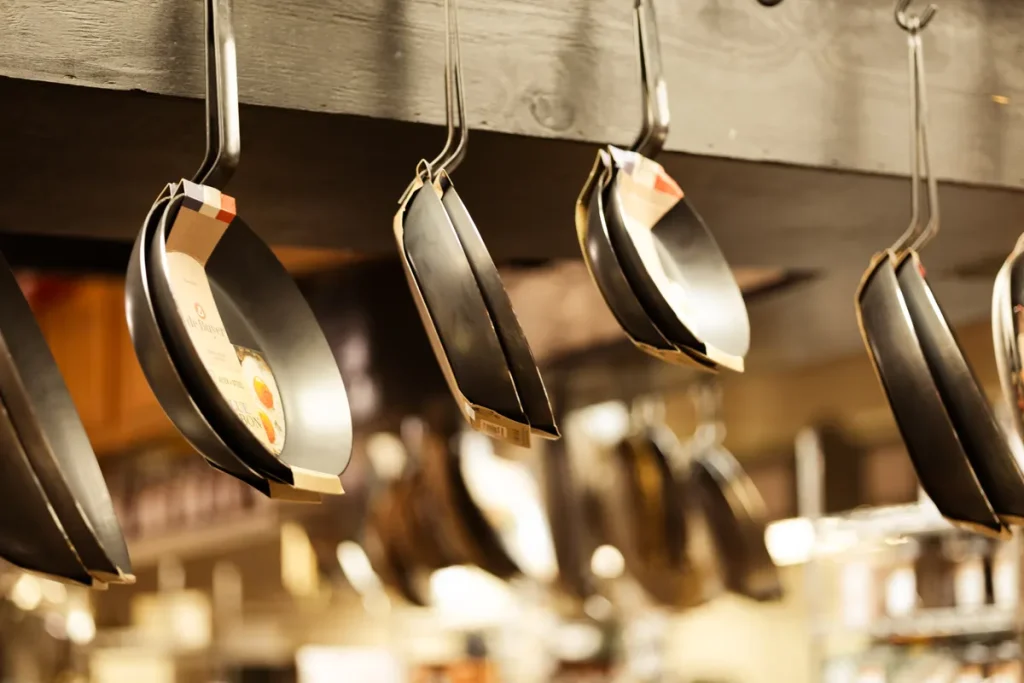
The London Stock Exchange-listed kitchenware retailer PROC has staged a ProCook share price recovery of more than 50% over the past four months, prompting fresh questions about whether the worst is truly behind a company that has tested the patience of investors since its November 2021 flotation.
The context matters. A £5,000 investment at the initial public offering is now worth just £1,410, reflecting a cumulative decline of 71.8%. That is the starting point from which any recovery case must be argued.
What Is Driving the ProCook Share Price Recovery?
The catalyst is a set of full-year results that beat expectations on almost every line. ProCook announced its results for the 52 weeks ended 29 March 2026 on 24 June 2026, with the formal Annual Report and Accounts published on 8 July 2026.
Revenue for the period came in at £85.5m, a 23% year-on-year increase and ahead of the £83.5m analysts had pencilled in. To put that in context, the prior year (FY25) had itself delivered record revenue of £69.5m, up 11% year-on-year with like-for-like sales rising 4.9%, according to the Investor Meet Company FY25 results presentation. The acceleration into FY26 is therefore building on an already improving base, not a recovery from distress.
Profit metrics followed revenue higher. EBITDA rose 39.6% to £12.5m. Operating profit was up 51.4% to £4.9m. Pre-tax profit climbed 64.5% to £2.5m. Free cash flow more than doubled to £3.5m, leaving ProCook debt-free with £4.4m net cash. The business had already telegraphed the direction of travel: a trading statement on 14 April 2026 flagged that FY26 EBITDA was expected to be slightly ahead of market expectations, with Q4 revenue up 19.2% to £18.5m.
Chief executive Lee Tappenden framed the opportunity in terms of market share: ‘With just a 1.9% share of our highly fragmented kitchenware market, we see many opportunities ahead and have clear plans in place to capture more share.’ ProCook outperformed the wider UK kitchenware market by 20 percentage points during the year, a spread that is harder to explain away as cyclical good fortune.
The Store Roll-Out and the Medium-Term Targets
The store-count trajectory gives the revenue target some structural grounding. ProCook operated 68 locations at the end of FY25, having opened 12 new stores during that year and surpassing its own targets, with a two-year average payback on new openings. The company’s medium-term goal of reaching 100 stores is therefore roughly 32 locations away from the FY25 base, a number that looks achievable at the recent pace of expansion.
Alongside the store target, management is aiming for £100m in revenue and a 10% operating profit margin. The revenue target is within one strong trading year of the £85.5m already booked. The margin target is more of a stretch: the FY26 EBITDA margin can be derived from the reported figures, but management has cautioned that gross margins are expected to remain relatively flat in the near term, and that profitability could suffer if supply chain disruptions worsen or if promotional intensity needs to increase.
Momentum into FY27 has not faded. First-quarter revenue is already up 21.5%, with online like-for-like sales rising 27.9%.
The risk picture is real, though. With 95% of products sourced from non-UK suppliers, currency exposure is material and persistent. Consumer confidence remains soft by historical standards. These are external factors management cannot control, and the gap between a well-run business and a well-priced share is often bridged by precisely the kind of macro headwinds ProCook is navigating.
As of 11:18 BST on 21 July 2026, PROC was quoted at 47.00p (a delayed indicative price from the company’s investor relations page). That is a long way from the IPO level, but the trajectory over the past four months reflects a market beginning to price in the improved earnings cadence rather than the legacy disappointment of the listing.
The ProCook share price recovery case rests on whether the current top-line momentum can be sustained long enough for the operating margin to close on management’s 10% target. The first test will be the FY27 half-year numbers: if online like-for-like growth holds above 20% and store openings stay on track, the thesis survives another reporting cycle.