Bitcoin
  Ethereum
  Tether
  BNB
BNB  USDC
USDC  XRP
XRP  Solana
  TRON
TRON  Lido Staked Ether
  Cardano
  Gram (prev. Toncoin)
  Avalanche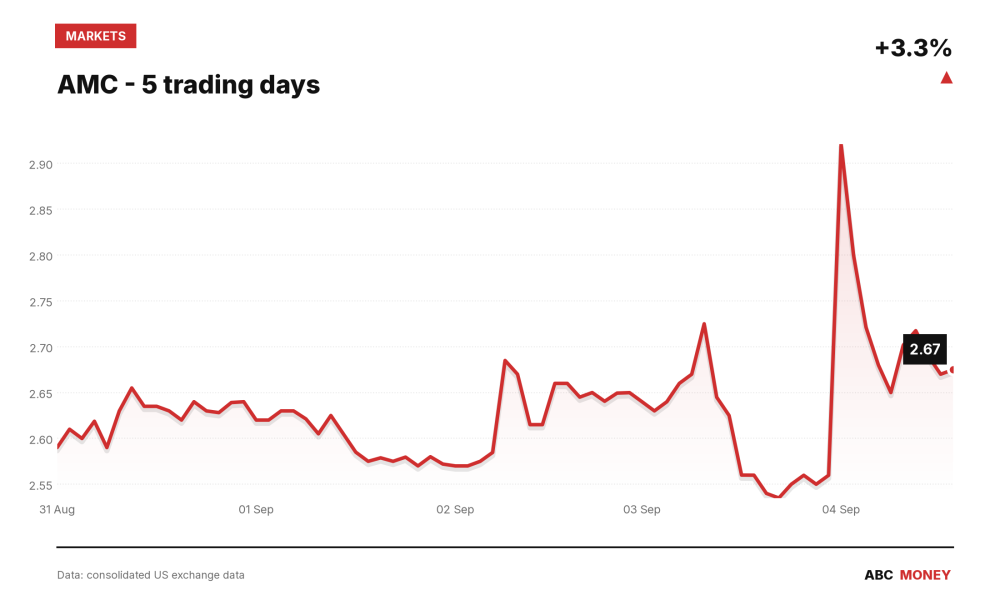
AMC Entertainment (NYSE: AMC) chief executive Adam Aron spent Thursday and Friday tearing into Robinhood (NASDAQ: HOOD) over its Robinhood stock tokens, the synthetic instruments that track AMC’s share price without conferring any of the rights that come with actually owning it. In a post on X, Aron called Robinhood’s practice “contemptible, outrageous, disgusting, detestable, inexcusable, vile” and accused the brokerage of running a “quasi-fake market” in AMC’s name – language that landed hard enough to move both stocks within hours.
The dispute began after Robinhood chief executive Vlad Tenev responded to Aron’s initial broadside with a four-word question on X: “what’s the concern?” Aron answered at length, laying out an escalating list of objections and threatening legal action, including a potential complaint to the US Securities and Exchange Commission. Robinhood’s chief legal officer, Dan Gallagher, was blunter still, telling Aron to “send your lawyers,” according to a report picked up as first reported by bitcoinethereumnews.com.
Why the Jersey structure matters
Aron’s core complaint is jurisdictional. Robinhood issues its AMC-linked instruments through Robinhood Assets (Jersey) Limited, a subsidiary based on the Channel Island roughly 3,000 miles from Washington. Robinhood’s own documentation describes the products as tokenised debt securities that grant holders no legal or beneficial claim on the underlying company – no dividend rights, no vote, nothing that would normally attach to a share, a structure the company’s most recent quarterly filing also acknowledges. Buying pressure on the token, in other words, never has to touch AMC’s actual stock, which is the crux of Aron’s argument that Robinhood has built a market in his company’s name that AMC itself doesn’t control and didn’t sanction.
This isn’t Robinhood’s first run-in of this kind. Coverage from CoinDesk notes that OpenAI raised a nearly identical objection in 2025, stating publicly that Robinhood’s tokens referencing it were not OpenAI equity and had never been endorsed by the company. Robinhood’s chief executive has said more than 190 such tokens are now live across various underlying names, generating upwards of $3bn in cumulative trading volume on decentralised exchanges, per 24/7 Wall St. – a scale that makes this a recurring feature of Robinhood’s push into tokenised markets, not a one-off dispute with a single cinema chain.
A volatile 48 hours for both tickers
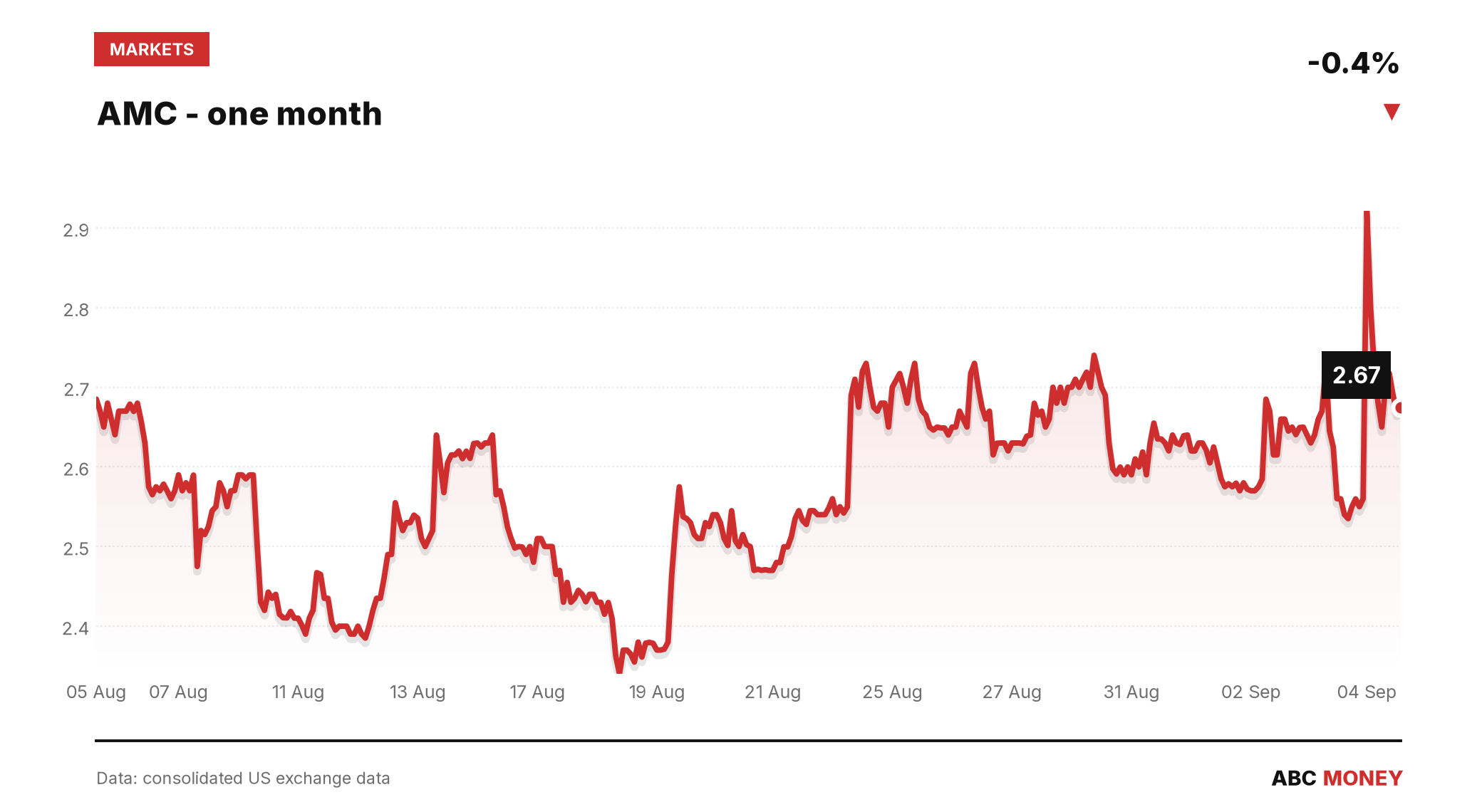
The row landed during an already jumpy stretch for AMC’s stock. Shares gained roughly 15% in premarket trading to touch $2.92 as the dispute broke, according to COINOTAG, and volume on the day ran at more than four times the 20-day average, consolidated exchange data show. By the following afternoon the stock had settled to $2.67, down 1.89% on the day but still up nearly 7% over 20 trading sessions. Robinhood, for its part, slipped around 3% to $121.30, which 24/7 Wall St. characterised as profit-taking after a roughly one-third gain over the preceding month rather than a verdict on the merits of Aron’s complaint.
Short-sellers had been building positions in AMC ahead of the row breaking. FINRA’s daily short-sale data shows the stock’s short volume ratio – the share of daily trading volume attributable to short sales – climbing from 0.203 on 26 August to 0.411 by 3 September, the day before Aron’s most pointed remarks, FINRA figures show. Whether that positioning reflected anticipation of the dispute or simply reflects AMC’s perennially high churn is not something the data alone can settle.
The dilution counter-argument
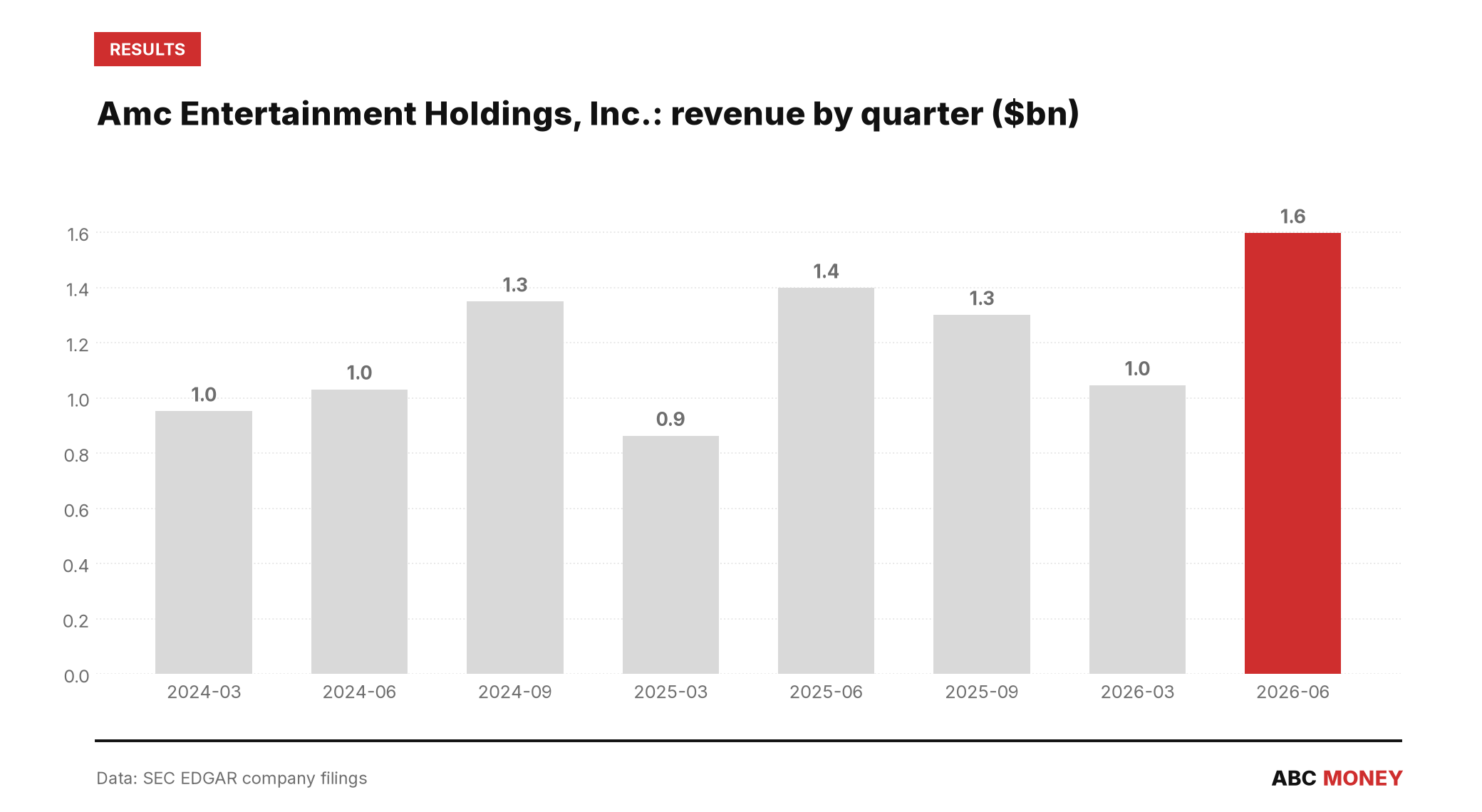
Not every commentator has been sympathetic to Aron’s framing. AMC’s own share count has swollen from roughly 100 million in mid-2020 to about 887.6 million today, a dilution history some observers argue sits awkwardly alongside outrage over a “synthetic” instrument diluting the company’s market signal, as Benzinga has pointed out. AMC’s finances underline why that share issuance happened in the first place: the company posted a net loss of $117.1m in the first quarter of 2026 alone, part of a string of quarterly losses stretching back years, according to its most recent 10-Q filing. Aron’s argument that AMC “spends millions annually” complying with US securities law sits against that backdrop of a business still burning cash even as revenue has recovered to more than $1.5bn in the June quarter.
Whether Aron follows through with an actual SEC complaint, or Robinhood’s lawyers ever hear from AMC’s, remains to be seen. For now the fight is playing out entirely on social media, with two chief executives trading barbs while their share registers – and, in Robinhood’s case, a token ledger that sits entirely outside those registers – do the rest of the talking.
This article is for information only and is not investment advice or a recommendation to buy or sell any asset. Markets move quickly; figures are correct as sourced at the time of writing. Always do your own research before making financial decisions.