
Contributed content: this article was written by a third-party contributor and does not necessarily reflect the views of ABC Money. Editorial and Advertising Policy
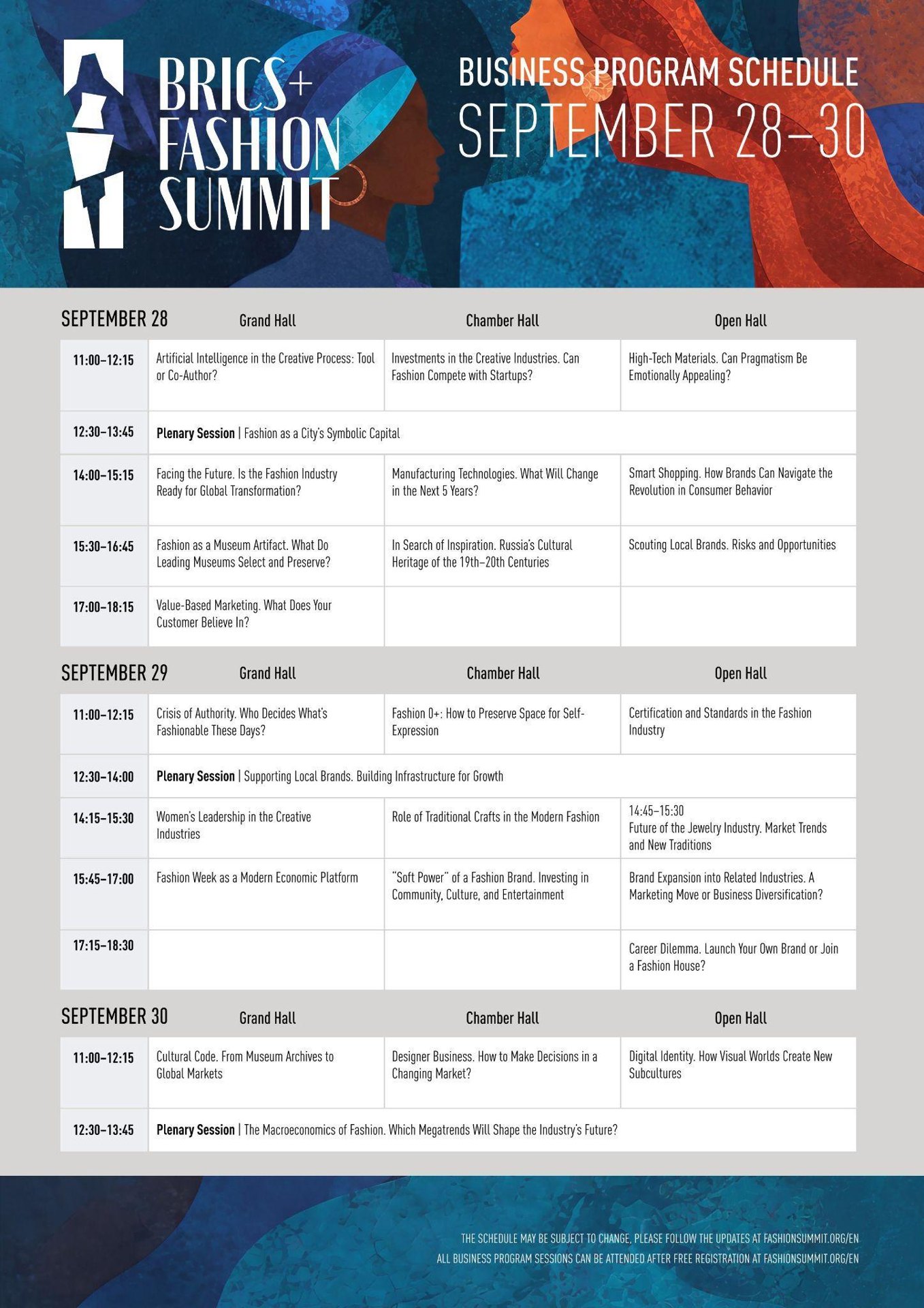
The organisers of the BRICS+ Fashion Summit – the largest international fashion business forum for fast-growing economies – have published the official business programme for the event, which will take place in Moscow from September 28 to 30. The programme focuses on changes in global trade and their impact on the strategic decisions of fashion companies: market selection, sales geography and the scale of investment in expansion. The economic dimension of the fashion industry will be explored in the session “Macroeconomics of the Fashion Industry. What Megatrends Will Shape the Industry’s Future?” – its agenda covers the restructuring of supply chains and manufacturing geography, differences in consumer demand and the industry’s investment prospects.
Experts from China, Turkey, the UAE and other countries will come together to discuss fashion macroeconomics. Russian business will be represented by company executives, manufacturers, government representatives and major retail platforms. An international meeting of this scale will help align expansion plans with current market conditions: which demographic groups will drive demand in the coming years, how can product portfolios be adapted to diverging trends across the Global North and South, and what opportunities does macroeconomic turbulence create for the development of the creative industries?
Assessing Demand in a Specific Market
Xie Fangming, Vice President of the China Fashion Association and a participant in the BRICS+ Fashion Summit, draws attention to the caution of consumers. “Amid macro-economic uncertainty, consumers prioritize value-for-money and cut discretionary spending on apparel”, he notes. With consumers behaving this way, sales forecasts require closer scrutiny: interest in a brand and willingness to buy its products regularly may not be the same thing.
British statistics show how important it is to understand the reasons behind changes in demand. The August report by the Office for National Statistics notes that the recovery in clothing store sales during the month only partly offset the decline in July, while June promotions brought some purchases forward. For expansion planning, this distinction is significant: a temporary acceleration in sales does not necessarily mean that consumers will spend more in the months ahead.
When choosing an international market, Ozlem Sahin Ertas, Founder and CEO of Modest Fashion Weeks by Think Fashion (Türkiye) and a participant in the upcoming session, suggests considering how well a brand fits the local audience. She heads an international platform that connects designers with retail partners and views expansion as a sequence of steps: “Sustainable global success is rarely about entering everywhere at once; it is about entering the right markets in the right sequence”. In her view, a brand’s first international markets should help it test its positioning and build experience for further growth. It also matters where a team with a limited budget will have the opportunity to establish itself.
Xie Fangming also explains why a successful sales model cannot automatically be transferred from one country to another. The global spread of fashion ideas goes hand in hand with an interest in local culture, while consumers interpret international trends through their own experience. The costs of entering a new market need to be weighed against how clearly the brand’s offering resonates with its audience.
Expansion Requires Investment on Multiple Fronts
At the BRICS+ Fashion Summit’s macroeconomics session, the restructuring of supply chains is being considered alongside changes in brand strategies. Xie Fangming describes the challenge facing companies: “Brands struggle to balance cost-control, delivery reliability and regulatory compliance, with independent designers and small-scale labels bearing the brunt”. Alongside the cost of attracting new customers, brands also need to ensure that products can be supplied at an acceptable price while meeting local requirements. Low-cost production alone does not determine the economics of entering a market.
Dubai Culture and Arts Authority supports designers in developing their practice and growing their businesses. According to Khulood Khoory, Director of the Design Department at Dubai Culture, international expansion requires coordinated investment: “A strong creative identity provides the foundation for growth. Designers also need access to appropriate financing, production capacity, distribution channels, business expertise and international networks.”
These factors shape a company’s readiness to enter a new market. Investment in promotion should match the production and sales capacity needed to meet demand and translate visibility into sustainable growth.
Choosing the Pace of Expansion Through Partnerships
A phased approach to expansion involves identifying tasks that a brand can share with local partners. Ozlem Sahin Ertas points to the specific resources such cooperation can provide: “The right partners can bring local market knowledge, buyer and retail connections, operational capabilities, marketing expertise, and established networks that a brand would otherwise need years and significant investment to build independently”. For a company with a small team, access to established networks can affect both the time and cost required to enter a market. Finding a partner therefore becomes part of the decision about growth geography even before major investments are made in promotion.
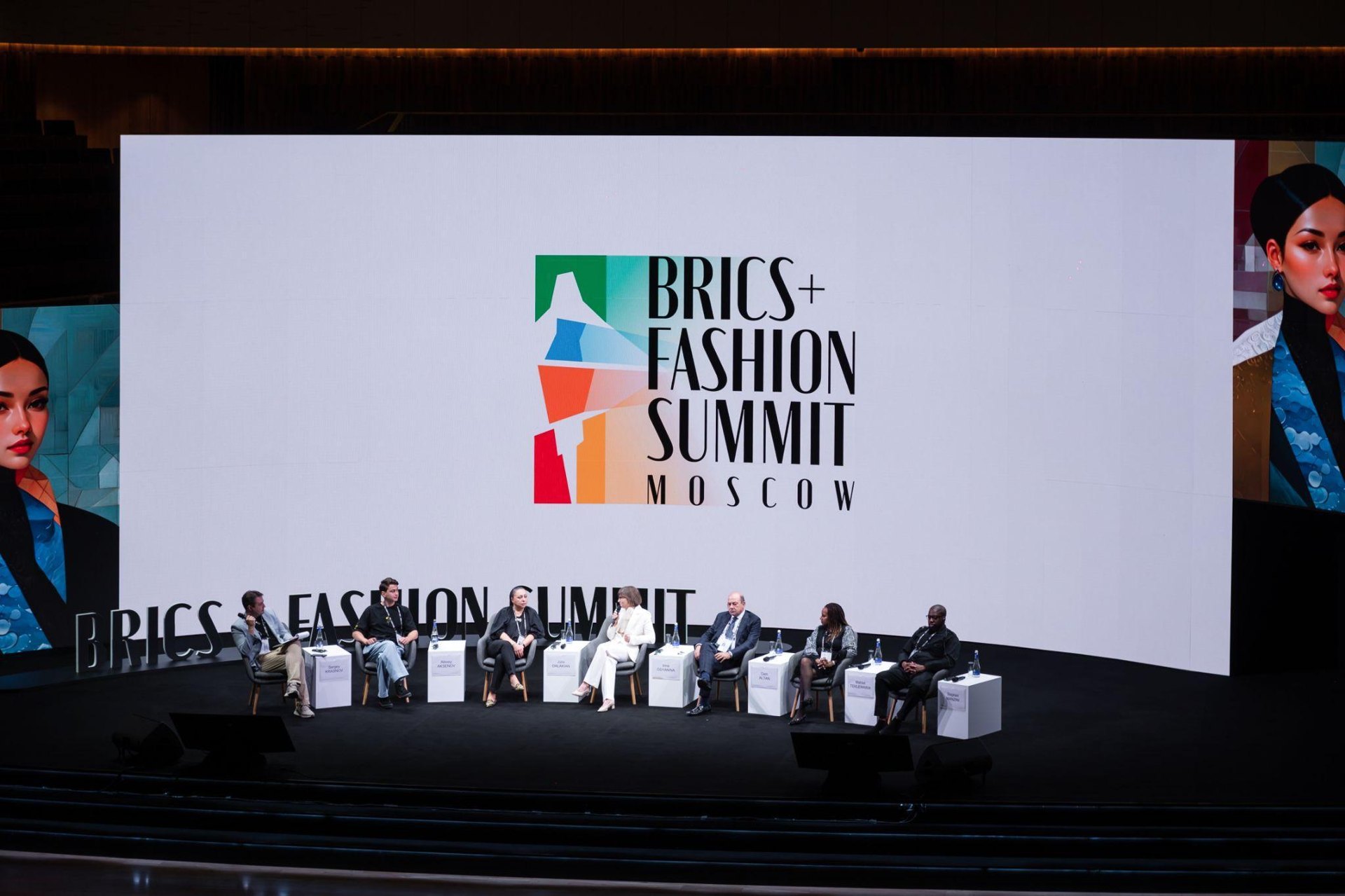
British brand Black Crown Label and its founder Nohad Al Samarrie are already associating their next move with the Russian audience. The fashion house will take part in Moscow Fashion Week, which will run from September 26 to October 1. Nohad Al Samarrie explains the choice of Moscow through the brand’s previous experience working with Russian clients and industry professionals and expects the label to establish a long-term presence in the country. Previous familiarity with local customers gives the brand a basis for choosing its next market and determining which professional connections to develop in Moscow.
Khoory sees international cooperation as an opportunity to exchange insights into how different countries support their fashion sectors: “The BRICS+ Fashion Summit provides a valuable platform for dialogue between fashion communities across diverse markets and geographies.”
In Moscow, she plans to meet with representatives of cities, cultural institutions and industry partners to discuss designer support and access to international markets. For creative businesses, these connections can help identify partners with the expertise and resources to support their next stage of growth.
The BRICS+ Fashion Summit connects the macroeconomic agenda with real cases of entering international markets. For the fashion business, the Moscow forum provides an international platform where growth plans can be considered against the real conditions of demand, production and trade.


 Bitcoin
  Ethereum
  Tether
  BNB
BNB  USDC
USDC  XRP
XRP  Solana
  TRON
TRON  Lido Staked Ether
  Cardano
  Gram (prev. Toncoin)
  Avalanche