
Beyond the Price Tag: Ballıpınar Dental Clinic Answers the Questions British Patients Should Ask

Contributed content: this article was written by a third-party contributor and does not necessarily reflect the views of ABC Money. Editorial and Advertising Policy
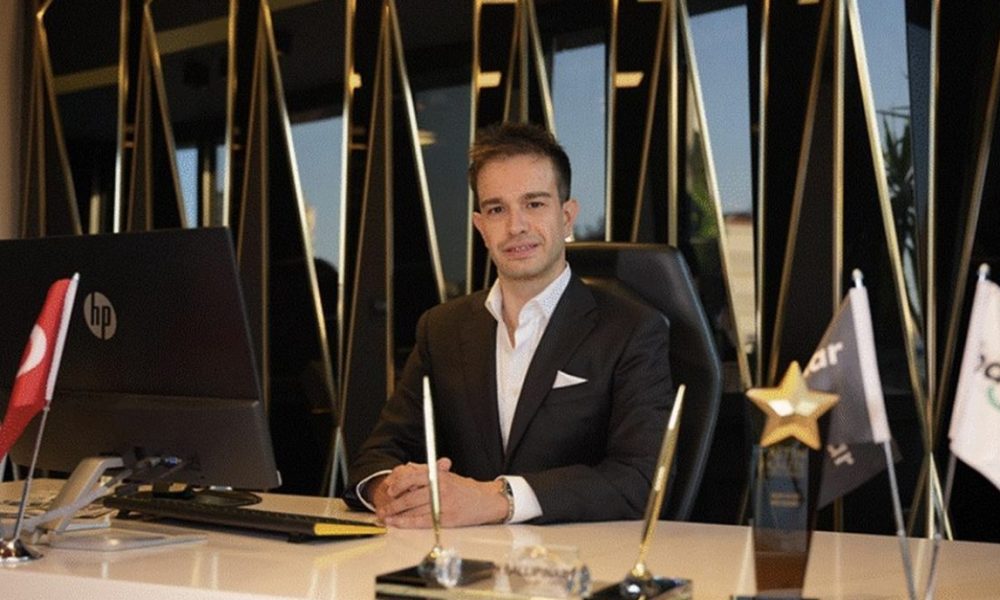
Lower treatment costs in Turkiye can attract attention, but meaningful value depends on diagnosis, proportional care, transparent quotations and realistic follow-up, says Turkish-qualified dentist Rıdvan Ballıpınar of Ballıpınar Dental Clinic.
For British patients considering private dental treatment abroad, the first figure on a quotation can be tempting—but it rarely tells the whole story. Travel, materials, clinical suitability, possible changes to the treatment plan and the limits of follow-up can all affect both cost and outcome. Rıdvan Ballıpınar, a dentist qualified and practising in Turkiye and owner of Ballıpınar Dental Clinic, argues that patients should assess value as a combination of health, longevity, informed choice and financial clarity.
“Value is not the cheapest route to an attractive smile,” he says. “It is the right diagnosis, a proportionate treatment and a result designed to function and endure. A patient should understand the alternatives, risks, likely lifespan and full cost before consenting.”
For Ballıpınar, that definition also depends on how a patient experiences the decision-making process. “If natural tissue has been respected and the patient feels informed rather than sold to, that is meaningful value.”
Diagnosis before the deal
The shorthand phrase ‘Turkey teeth’ has become associated in the UK with aggressive preparation, standardised smiles and treatment led by price. Ballıpınar says the label oversimplifies a varied sector, while acknowledging that intense competition can create the wrong incentives.
“The phrase unfairly compresses a diverse sector into one stereotype, although intense price competition can encourage speed, standardised packages and over-treatment,” he says. “In my view, a responsible approach to cosmetic dentistry in Turkey should be diagnosis-led and as conservative as clinically possible. Healthy enamel should not be removed simply to follow a trend.”
He adds that veneers, crowns and orthodontic alternatives should be discussed according to the individual’s clinical needs. Shape, shade and proportion, he says, should be tailored to the patient rather than repeated as a uniform ‘package smile’.
That assessment cannot be completed through photographs alone. A remote review may help clarify concerns, medical history, likely options, indicative timing and a provisional price range, but it cannot replace an in-person examination of the teeth, gums, bite and supporting structures, or any further imaging that may be clinically indicated.
“A fixed promise made too early may miss active disease, bone limitations or medical factors,” Ballıpınar says. “The plan can then change after travel, exposing the patient to unexpected procedures, costs, delays or a difficult decision after flights and deposits have already been paid.”
Five checks beyond the headline price
When comparing clinics, Ballıpınar recommends that patients look beyond the total at the bottom of the page and examine five practical points: who will diagnose and provide treatment; why each procedure is proposed and what alternatives exist; which materials or implant system may be used and whether traceability documentation is available; what the quoted price includes and excludes; and what is stated in writing about aftercare, complaints and possible remedial treatment.
He says patients should be prepared to walk away when a definitive plan is offered from photographs alone, when pressure is created through a time-limited deal, or when an outcome is guaranteed. Identical plans for very different patients and uncertainty over who would meet the cost of complications, further treatment or additional travel should also prompt caution.
What lower cost does—and does not—mean
The difference between UK and Turkish private-treatment prices is not explained by a single factor. Lower operating and property costs, laboratory cost structures, exchange-rate effects and the organisation of care may all contribute, Ballıpınar says, although their impact varies by clinic and by case.
“Price alone proves neither quality nor poor quality,” he says. “In my view, a dental clinic in Antalya should explain exactly what the quoted price includes and identify the clinician, materials and follow-up pathway relevant to the patient’s plan.”
Certain areas should never be treated as opportunities to cut costs, he adds: adequate diagnostic time, sterilisation, traceable materials, necessary imaging and informed consent. The scope and limits of dental treatment aftercare for UK patients should likewise be provided in writing before a commitment is made.
A transparent quotation may need to itemise examinations and imaging, each procedure and the teeth or arches involved, stated material or implant brands, laboratory work, temporary restorations, medicines, planned reviews and any travel services included. It should also identify exclusions, the precise terms of any applicable warranty, the boundaries of aftercare and the way additional costs may be allocated if complications, remedial work or further travel become necessary.
Aftercare should be defined, not implied
Ballıpınar Dental Clinic works with an independent UK clinic in London, but Ballıpınar stresses that the clinic is not owned or operated by his organisation. Depending on the patient’s treatment plan, a clinical assessment, appointment availability and the confirmed scope of the arrangement, it may support follow-up appointments, checks and assessments, as well as communication with the treating team in Turkiye.
Visibility is not a substitute for evidence
Ballıpınar is also a platinum LED sponsor of Gillingham Football Club. Rıdvan Balllıpınar says the association has reinforced his view that British audiences expect consistency, visibility and accountability—but he draws a firm line between public familiarity and clinical proof.
“The sponsorship can introduce Ballıpınar Dental Clinic to a community, but it cannot substitute for clinical evidence or informed consent,” he says. “Its value, as I see it, is the opportunity to discuss Turkish dental tourism in terms of patient-centred dental care in Turkiye, transparent pricing and long-term responsibility—not simply a cheaper transaction.”
For patients, the central question is therefore not whether treatment abroad carries a lower advertised price, but whether the proposal remains understandable and clinically appropriate once every likely cost, limitation and contingency is brought into view. A careful comparison begins with diagnosis and ends with written clarity about what happens after the patient returns home.


 Bitcoin
  Ethereum
  Tether
  BNB
BNB  USDC
USDC  XRP
XRP  Solana
  TRON
TRON  Lido Staked Ether
  Cardano
  Gram (prev. Toncoin)
  Avalanche