
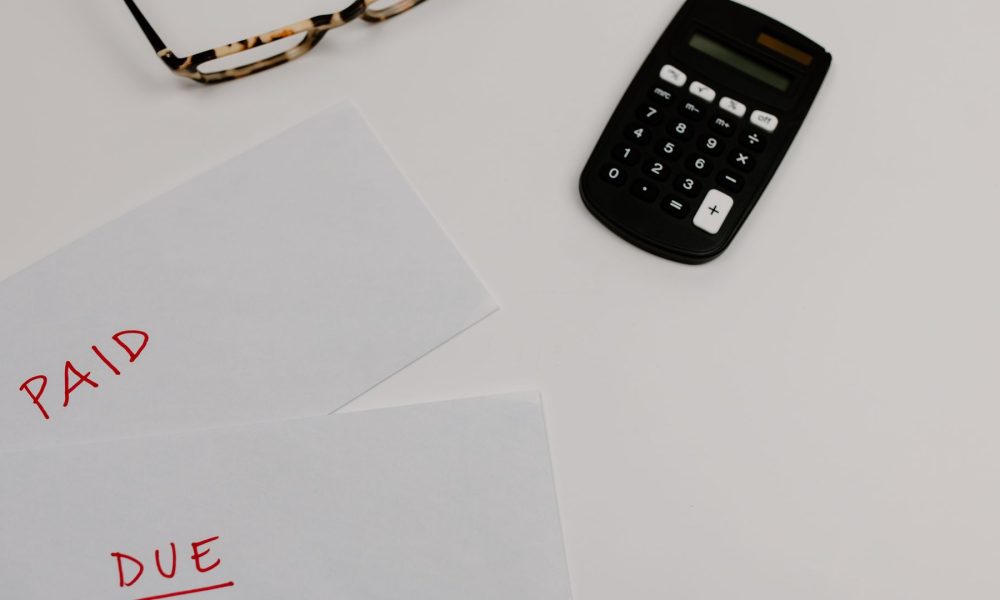
Three credit cards, an overdraft and a store card can mean five payment dates, five interest charges and five letters when something slips. Rolling the lot into a single loan sounds like the obvious fix. With a damaged credit file the choice gets harder, and the wrong loan can leave you owing more for longer.
What consolidation does to your debts
A debt consolidation loan pays off what you owe to several lenders and replaces it with one debt and one monthly payment. The total you owe does not shrink on the day the loan pays out. What changes is who you owe, the interest you pay and how long you take to clear it.
StepChange, the debt charity, says in its debt consolidation guide that consolidation can ease the strain of juggling many monthly payments. The same page warns of hidden risks that can leave you worse off. Paying less each month usually means paying for longer, and StepChange points out that the longer you hold the loan, the more interest you take on.
Secured or unsecured with a poor credit record
With missed payments or defaults on your file, two broad routes tend to open up. An unsecured personal loan relies on your income and credit history alone. A secured loan, often called a homeowner loan or second charge mortgage, uses your home as security.
ABC Finance, a broker authorised by the Financial Conduct Authority, sets out the trade-offs plainly in its guide to debt consolidation loans for bad credit, so it is worth reading before you speak to any lender. It says unsecured loans usually cap out at around £25,000 over one to seven years, and sometimes less with bad credit. Secured borrowing can run from £5,000 to £250,000 or more over 5 to 25 years, depending on the equity in your home.
Lenders see secured loans as lower risk, so they are often more willing to lend to people with a patchy history. That willingness comes at a price. StepChange warns that if you fall behind or cannot afford payments, "the lender could repossess your home and sell it to get their money back."
When consolidating can make sense
Consolidation tends to work best for people whose debts are still manageable but expensive. Some signs it may suit you:
- You are keeping up with payments but juggling several due dates each month.
- The new loan would cost less in total than your current debts, once fees are included.
- Your income is steady enough to cover the new payment for the full term.
- You have a plan to stop new borrowing on the cards you clear.
That last point matters more than it looks. StepChange flags the risk of needing more credit while you are still paying off the first loan. A cleared credit card with its limit intact can fill up again within months, and you then carry the old debt in a new loan with fresh balances on top.
When it can make things worse
If you are already behind on priority bills such as rent, council tax or energy, a new loan rarely solves the problem. Borrowing more to pay debts you cannot afford can turn a hard situation into a bigger one, and the stakes rise sharply once your home is the security.
Look closely at the full cost before you sign. The ABC Finance page lists arrangement fees, valuation charges, legal fees and early repayment penalties as costs that can add a lot to secured borrowing in particular. Stretching a loan to 25 years to lower the monthly figure can mean paying back far more overall, so ask for the total amount repayable and set it against what you owe now.
Your credit score may also dip when you take out the new loan. StepChange notes that paying on time and in full can help your score recover over time, while missed payments will show on your file and pull it down again.
Checks to run before you borrow
Start with your own credit report. You can check it with the three main credit reference agencies, Experian, Equifax and TransUnion, and challenge any errors before a lender sees them. Then write down each debt with its balance, interest rate and monthly payment, so you can compare like with like.
Next, check who you are dealing with. Firms arranging or providing consumer credit in the UK need FCA authorisation, and you can look them up on the Financial Services Register. The FCA keeps the Register as a public record of firms and individuals that are or have been authorised, and it also lists firms reported to be operating without permission, including clone firms posing as genuine ones.
Ask any broker or lender whether their first check is a soft search, which other lenders cannot see. Repeated full applications in a short space of time can leave marks on a file that is already weak.
Free help comes first
If your debts already feel out of control, speak to a free debt adviser before you apply for anything. StepChange recommends getting debt advice to look at all the options before taking out a consolidation loan, and its service costs nothing. An adviser can weigh a loan against a debt management plan, an IVA or other routes, and some of those suit people with poor credit better than new borrowing.
Keep the risk in view throughout. A loan secured on your home puts that home at risk if you miss repayments, so think carefully before securing other debts against it. With a clear budget, honest numbers and impartial advice behind you, you can pick the route most likely to clear your debts on a timetable you can sustain.
Contributed content: this article was written by a third-party contributor and does not necessarily reflect the views of ABC Money. Editorial and Advertising Policy


 Bitcoin
  Ethereum
  Tether
  BNB
BNB  USDC
USDC  XRP
XRP  Solana
  TRON
TRON  Lido Staked Ether
  Cardano
  Gram (prev. Toncoin)
  Avalanche