Bitcoin
  Ethereum
  Tether
  BNB
BNB  USDC
USDC  XRP
XRP  Solana
  TRON
TRON  Lido Staked Ether
  Cardano
  Gram (prev. Toncoin)
  Avalanche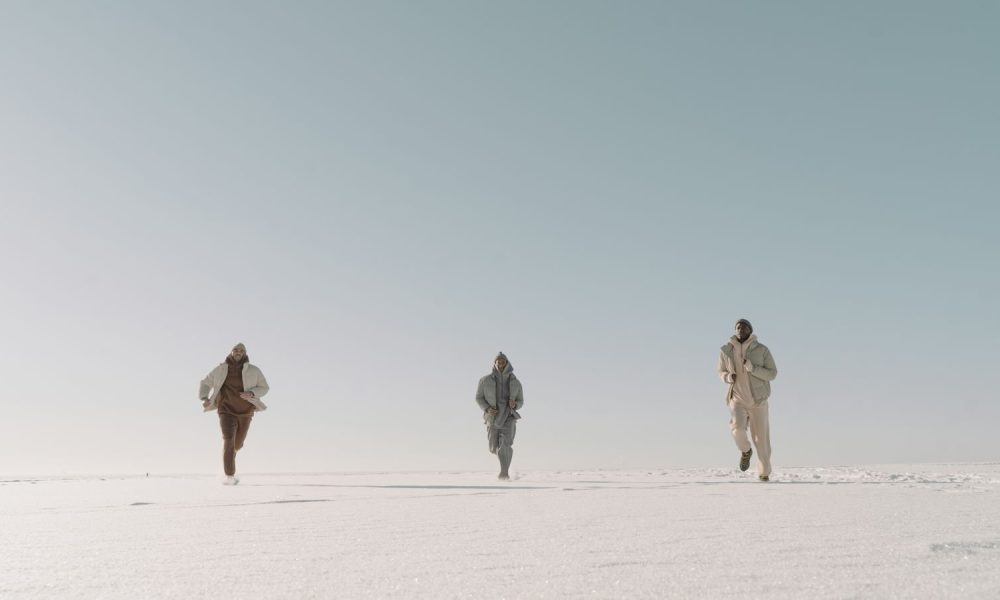
Contributed content: this article was written by a third-party contributor and does not necessarily reflect the views of ABC Money. Editorial and Advertising Policy
A fitness enthusiast, Edward Granaghan from Cream Ridge, NJ enjoys combining travel with exercise and applauds those who take part in events such as the Great World Race. This annual event puts participants through a grueling schedule of running seven marathons on seven continents in seven days. Hosted by Ice Cap Adventures Ltd. and the Global Marathon Club, the event kicks off at Wolf’s Fang, Antarctica.
This location in Queen Maud Land is accessible via a 2,400-mile flight from Cape Town, South Africa. The two-mile runway in Antarctica is one of the few private blue-ice runways on the continent and among the very few there capable of handling commercial-size airplanes. It is essential for supplying numerous expeditions and research stations across Antarctica.
Blue-ice areas reflect a combination of minimal snowfall and strong katabatic winds. The winds constantly scour the surface, exposing glacial ice hundreds of years old. The ice traps and compresses air bubbles that reveal the climate and makeup of the Earth’s atmosphere in the past.
Wolf’s Fang Runway maintains operability across a relatively short summer window, from November to February, when conditions are ideal for safely accessing the continental interior. Structures present the outward appearance of a polar research station, but the site contains a cozy and well-appointed interior that welcomes leisure visitors, including marathon participants.
Many visitors use Wolf’s Fang as a hub for travel further afield via modified Basler BT67 twin-prop planes that can handle improvised ice runways set up seasonally at locations such as the South Pole and at penguin colonies. A helicopter allows visitors to access even more remote and rugged locations.
For Great World Race participants, the November 2025 flight to Wolf’s Fang brought them fully outfitted and geared up for racing on a frigid course that tested endurance in more ways than one. Runners wore masks, goggles, and gloves, but these were not enough to keep out the elements. As one participant put it, the first mile of the course was fine, but then the wind picked up to an extreme and, no matter which direction one was running, it was all about fighting the wind.
The end of the course was festooned with flags from participating countries. Struck by the surreal beauty of the landscape, one runner almost didn’t want the experience to be over. However, given fatigue, wind chill, and the prospect of another marathon in less than 24 hours, she was glad to have the first notch of the challenge under her belt. The next course, in Cape Town, spanned six circuits of paved walkway along the scenic Sea Point promenade overlooking a bay.
For many participants, taking part in the Great World Race represents an opportunity to raise funds for a cause they care deeply about. This was the case for global executive Rob Schimek, who checked in on LinkedIn from Dubai after the fourth leg of the challenge. He used the event to raise money and awareness for cancer and for fellow participant Maria Sahota’s book, The Drifter and a Moth, which channels literary proceeds to cancer causes.
As Schimek described it, Antarctica felt like a real test, with strong winds and an incoming storm to contend with, while Cape Town had “lifted the spirits” with balmy conditions that allowed a course time of nearly an hour faster. Perth, Australia, had brought the toughest heat to date, 108 degrees F., depleting nearly every last reserve of energy. Abu Dhabi, by contrast, offered ideal running conditions, with its balmy winter weather on the Red Sea. As he put it, “That gave us speed when we needed it most.”
The Great World Race provides a huge challenge for runners from all over the world. It also generates both admiration and inspiration in people like Edward Granaghan of Cream Ridge, NJ.