Bitcoin
 Ethereum
 Tether
 BNB
 USDC
 XRP
 Solana
 TRON
 Lido Staked Ether
 Cardano
 Gram (prev. Toncoin)
 Avalanche
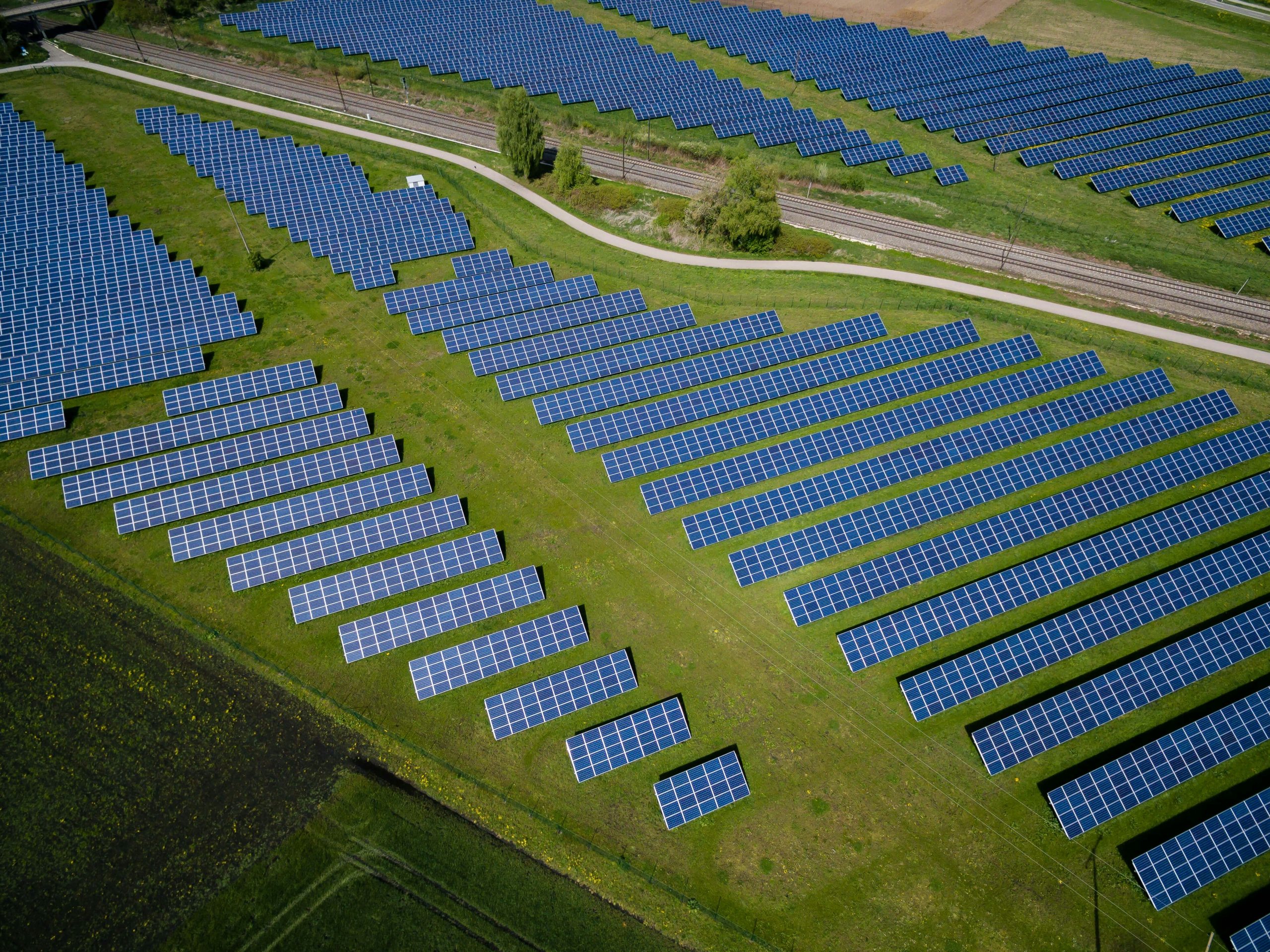
In 2023, renewable energy reached a historic milestone, making up 30% of global electricity, with solar and wind accounting for 13%. However, increasing renewable energy share alone is insufficient to fully transition away from fossil fuels. REN21’s latest report stresses the critical need for improvements in grid distribution, energy storage, and system flexibility to manage the variability of solar and wind power. These advancements are essential to fully realize renewable energy’s potential.
Key insights from REN21’s “Renewables 2024 Global Status Report” module, focusing on Renewable Energy Systems and Infrastructure, highlight trends in policies, deployment, and technological advances related to grids, energy storage, and sector integration. These developments are crucial for expanding renewables into high-demand sectors like heating and transportation.
In 2023, global grid investment rose to USD 310 billion, a 5% increase, but still only half of what’s needed annually. Yet, a fully renewable energy system is achievable, as countries like Denmark and Lithuania demonstrate by integrating 100% renewable electricity into their grids.
Renewable energy has the potential to power the world entirely, but electricity grids, storage, and sector coupling are key to secure energy supply and integrating variable renewables like solar and wind. REN21 emphasizes that expanding renewable generation alone won’t suffice—transmission, distribution infrastructure, storage, and end-use sector integration must be part of energy planning.
Latest Market Trends
By the end of 2022, 1.5 TW of renewable projects were delayed due to grid connection issues, with many regions facing curtailment due to capacity constraints. As demand for electricity grows, the strain on grids intensifies. Energy storage is also critical, with utility-scale battery storage growing by 120% to 55.7 GW globally.
“Grids are the backbone of our electricity systems, yet they are often overlooked. Strategic investments in grid optimization, expansion, and flexibility solutions like demand-side management and storage will form the foundation of a resilient, renewable energy future,” said Rana Adib, REN21’s Executive Director.
Through political will, integrated planning, and investment, a fully renewable energy-powered world is achievable, Adib added.
Countries Leading with High Shares of Renewables
Countries like Denmark and Lithuania already demonstrate grids powered by 100% renewable electricity, integrating variable sources like wind and solar alongside dispatchable renewables like hydropower and geothermal. Twelve nations now average over 30% of variable renewable energy in their grids, with Denmark leading at 67%, followed by Lithuania at 58%.
Eight of these countries, including Denmark, Germany, and Portugal, have reached over 85% maximum daily renewables penetration, with some exceeding 100%.
The Need for Integrated Planning
To avoid bottlenecks, power generation, transmission, storage, and consumption must be planned together. Integrating the power sector with transport, heating, and hydrogen production will create a more resilient energy system. Traditional grids need adaptation to handle decentralised, renewable sources, increased demand, and demand-side management.
The future lies in grid optimization and expansion, increased interconnectivity, and coupling the power sector with other sectors. “Integrated planning is key to minimizing investments, resource use, and the environmental footprint of infrastructure,” said Adib.
Looking Ahead to COP29
For a successful renewable energy transition, integrated planning across energy demand, supply, and infrastructure is essential. Immediate investment and policy alignment are necessary to scale up infrastructure and enable sector coupling to accommodate rising electricity demand.
“High shares of renewables in electricity grids are no longer a question. Governments must act now to build an energy system rooted in renewables. COP29 offers an opportunity to ensure infrastructure and energy planning are integrated into national strategies,” Adib concluded.