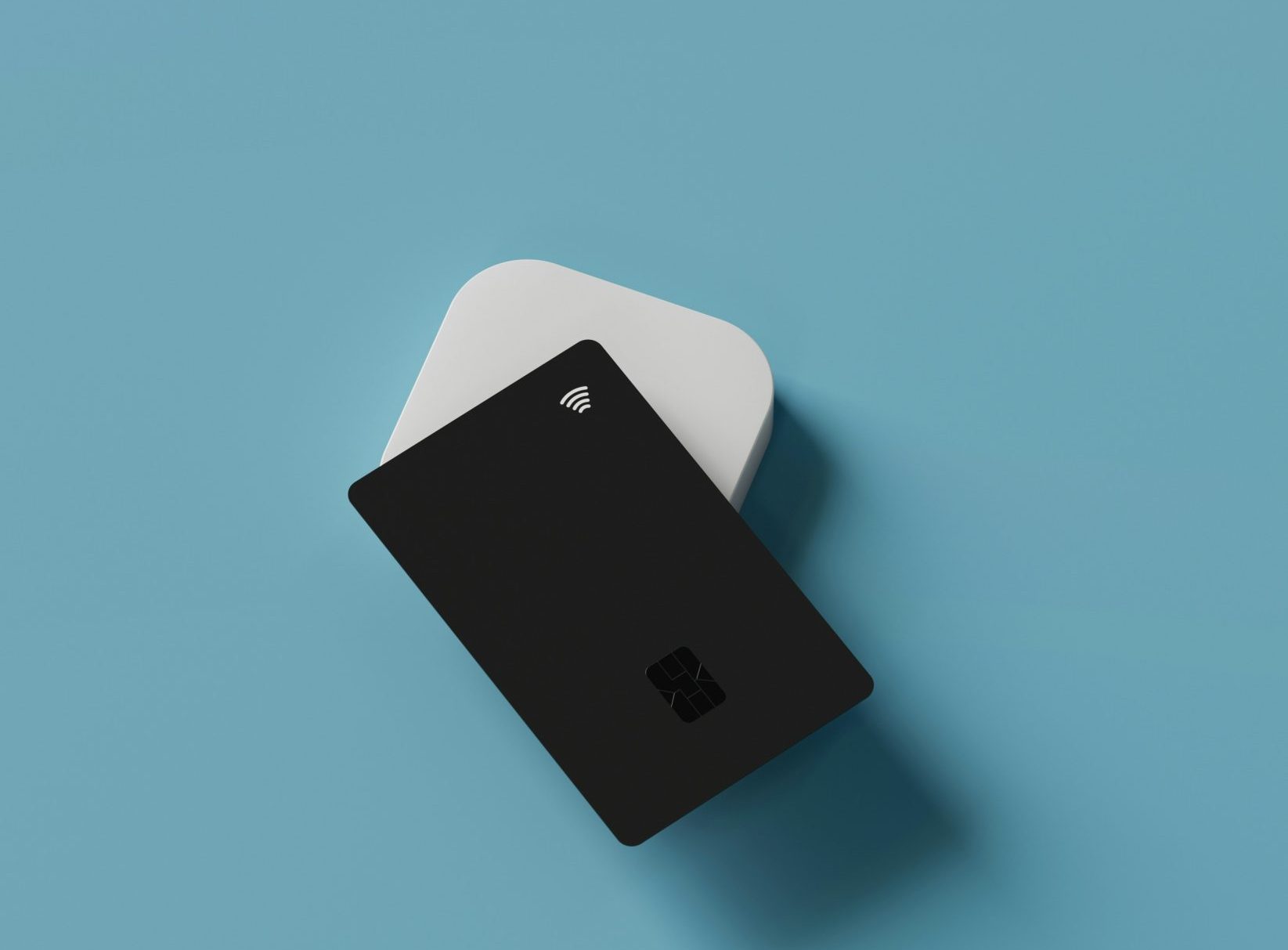


Nayax Partners with Unipaas to Launch Fully Integrated Card-Present Payments Solution

The announcement that Nayax has partnered with Unipaas to launch a fully integrated card-present payments solution for UK SaaS platforms landed with a sense of practicality rather than spectacle, addressing a problem that many software companies have lived with quietly for years.

For all the progress in embedded finance and digital payments, a surprising number of SaaS platforms still struggle when transactions move from screens to physical spaces. The moment a customer stands in front of a terminal, taps a card, and expects everything to “just work,” complexity tends to surface.

Nayax has spent years building its reputation in environments where payments are anything but theoretical. From unattended retail to transport, vending, and self-service terminals, its hardware and payment infrastructure operate in places where downtime is not tolerated and user patience is thin.

Unipaas, by contrast, has focused on helping SaaS platforms embed payments directly into their software, allowing businesses to control the full transaction flow without forcing users to leave the product. Its strength lies in abstraction, in making complex financial processes feel native and seamless.

The partnership brings those two approaches together in a way that feels overdue. UK SaaS platforms serving industries like hospitality, retail, mobility, and services increasingly operate in hybrid settings, where online dashboards coexist with physical points of sale.

Until now, many of those platforms have been forced to stitch together separate providers for online payments, in-person transactions, hardware procurement, compliance, and reconciliation. The result often works, but rarely elegantly.

This new solution promises a single, integrated stack where card-present payments sit naturally alongside existing software workflows. Nayax provides the terminals and payment infrastructure, while Unipaas embeds the payment logic directly into the SaaS platform.

For operators, that means fewer contracts, fewer failure points, and a clearer picture of transactions across channels. For end users, it means tapping a card without thinking about who sits behind the terminal.

The UK market is a deliberate choice. It is both advanced in digital adoption and demanding in regulation, a combination that tests payment solutions quickly. Card usage remains high, and expectations around speed and reliability are unforgiving.

SaaS platforms operating here face a familiar tension. Customers want modern software experiences, but their businesses still rely heavily on physical interactions. Payments sit at the intersection of those demands.

Nayax’s terminals are already designed for environments where reliability matters more than novelty. They are built to withstand constant use, variable connectivity, and users who do not read instructions.

Unipaas adds the layer SaaS platforms care about most: control. By embedding payments directly into the platform, SaaS providers can manage onboarding, reporting, and user experience without handing customers off to third-party payment pages.

Together, the two companies are addressing a gap that has quietly slowed product roadmaps across the sector. Many SaaS teams have deprioritised card-present payments simply because the integration effort outweighed the perceived benefit.

I found myself thinking about how often good ideas stall not because they lack demand, but because the plumbing is too messy.

The timing of the partnership is telling. UK SaaS platforms are under pressure to differentiate, not just through features, but through operational simplicity. Payments are no longer a bolt-on; they are part of the product.

There is also a revenue dimension. Embedded payments allow SaaS companies to participate in transaction economics rather than merely facilitating them. Card-present capability expands that opportunity into physical contexts.

From Nayax’s perspective, the partnership opens access to a growing ecosystem of software platforms that influence how payments are deployed, not just where terminals are installed. It moves the company closer to the application layer.

For Unipaas, integrating with a proven hardware provider reduces friction for customers who need physical payments without becoming hardware experts. It keeps the company focused on software while extending its reach.

The solution is positioned as fully integrated, a phrase that can sometimes ring hollow. In this case, it reflects a genuine unification of hardware, payments, compliance, and reporting within a single workflow.

SaaS platforms adopting the solution can offer merchants a consistent experience across online and in-person transactions. Reconciliation becomes simpler. Support conversations become shorter.

The partnership also reflects a broader shift in fintech collaboration. Rather than competing across the stack, companies are increasingly specialising and aligning where their strengths are most complementary.

This approach tends to produce quieter announcements but more durable outcomes. The real test will come not in press releases, but in deployment.

Early adopters are likely to be platforms that already straddle digital and physical environments, where the pain of fragmented payments is most acute. If the integration performs as promised, word will travel quickly.

There is a subtle cultural aspect too. UK merchants are pragmatic. They value solutions that work consistently over those that promise transformation. A terminal that fails once can undo months of goodwill.

Nayax’s track record in unattended and high-volume environments suggests an understanding of that reality. Unipaas’s focus on embedded experience suggests respect for the software teams building around it.

Together, they are offering SaaS platforms something deceptively simple: the ability to accept card-present payments without rethinking their entire architecture.

It is easy to underestimate how meaningful that is. Payments are often the last thing teams want to touch, precisely because they are so central.

By lowering that barrier, the partnership could unlock features, markets, and use cases that have sat just out of reach.

There is no grand narrative here about reinventing commerce. Instead, there is a recognition that good infrastructure removes obstacles quietly.

For UK SaaS platforms navigating the blurred line between digital and physical operations, that quiet competence may prove far more valuable than any headline-grabbing innovation.

  • bitcoinBitcoin (BTC) $ 89,272.00 1.1%
  • ethereumEthereum (ETH) $ 3,028.32 1.58%
  • tetherTether (USDT) $ 0.999617 0.01%
  • bnbBNB (BNB) $ 865.95 1.48%
  • xrpXRP (XRP) $ 1.93 0.83%
  • usd-coinUSDC (USDC) $ 0.999797 0.01%
  • tronTRON (TRX) $ 0.284815 0.74%
  • staked-etherLido Staked Ether (STETH) $ 3,030.27 1.72%
  • cardanoCardano (ADA) $ 0.378037 3.85%
  • avalanche-2Avalanche (AVAX) $ 12.35 1.68%
  • the-open-networkToncoin (TON) $ 1.47 0.19%
  • solanaSolana (SOL) $ 127.05 0.99%
Enable Notifications OK No thanks