
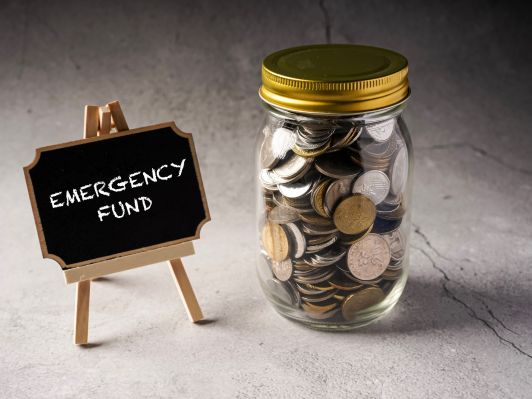
People used to think that emergency savings were a moral thing to do, something parents or bank advisers would bring up and then ignore. It was next to tips on how to wear sensible shoes and keep receipts. For a lot of families in the UK, the urgency never quite hit home because they got their paychecks on time, could get credit, and serious problems seemed far away.
That feeling of distance is gone. Small shocks have been coming with annoying regularity over the past few years. In January, a boiler breaks. Without warning, the rent goes up. A fixed-rate mortgage quietly ends and starts over at a number that doesn’t seem real. None of these things are very dramatic on their own, but together they have changed how people feel about safety.
Emergency savings have gone from being a good idea to something that feels like a safe place to go when things go wrong. People now stop and think for a moment before answering a simple question like “Are you managing all right?” when they talk about money. There is a lot of unease, but it’s not obvious.
In the UK, financial security has always depended on a delicate balance between income, public support, and personal safety nets. That balance is being tested. Real wages have had a hard time keeping up with basic costs, and many types of government help have become harder to get or have become less available. Credit is still available, but it doesn’t feel good anymore.
I remember a neighbor saying, almost offhandedly, that she now has a separate account just for “surprises,” saying the word as if it could hear her. It wasn’t a huge amount. It didn’t have to be. The important thing was that it was there.
People often talk about emergency savings in terms of numbers: three months’ worth of expenses, or six if you can. In practice, they are measured by the choices they make. They let someone fix a car without having to get a credit card. They buy time after being let go. They make being sick or taking care of someone less painful. Without them, every problem becomes urgent, and things that are urgent cost a lot of money.
This is even more true now that there are more jobs that aren’t safe. Zero-hours contracts, freelance work, and short-term jobs give you freedom but not much protection. Your income can disappear between shifts or invoices. Savings take the place of predictability.
For people who rent, the stakes are especially high. Unlike homeowners, they can’t put off repairs or deal with changes without making a fuss. No matter what, rent is due, and moving costs add to the stress. Having a small emergency fund can mean the difference between dealing with things on your own and asking for help too soon.
Energy bills have been a quiet but powerful part of this change. Their ups and downs have taught families that budgeting alone can’t make some costs more manageable. Direct debits go up. Unexpected bills come in. When plans go wrong, savings take the hit.
There is also a psychological aspect that people don’t talk about very often. People act differently when they know they have money set aside for emergencies. People are more sure of themselves when they negotiate. They quit jobs that are bad for them. They say no to requests that are too much. Even a little bit of financial security can change your posture.
After hearing a friend talk about how a £1,200 savings cushion kept a health scare from turning into a financial spiral, I started to think differently about risk.
Banks and policymakers talk about resilience in general, but families feel it very personally. It’s a quiet relief to pay a dentist’s bill without having to change anything else. After getting a letter from the council, you sleep through the night. Data sets don’t show these moments, but they do shape daily life.
It’s easy to think of savings as optional, especially when money is tight. It makes sense to put immediate comfort or overdue pleasures first. But emergencies have a way of changing what is important in the past. What you thought was a treat yesterday will make you feel bad tomorrow.
People’s views on culture are changing. Younger adults, who are often thought of as being careless with money, are often more aware of instability than older generations were at the same age. They have seen their parents deal with being laid off, sick, or not having a stable place to live. People have learned to be careful, not been taught to be careful.
Even so, it’s harder to save money now than it was ten years ago. That truth deserves honesty. If you tell people to save money for emergencies without acknowledging the pressure, it might sound like you’re not interested. A lot of people start with £20 a month or less. Progress isn’t always steady. Not perfection, but direction is what matters.
Employers also have a part to play here, even if they don’t know it. People who don’t have any money to fall back on bring stress to work. Absence increases. Lack of focus. Some businesses now offer savings plans or emergency loans, which is a quiet admission of a problem that was once thought to be private.
In the UK, financial security is now more about getting through the short term than the long term. Emergency savings are at the heart of that change. They don’t fix structural problems, but they do help people who are hurt.
People are more serious about money now. People talk less about getting ahead and more about just getting by. In that case, savings don’t show how rich you are; they show how much power you have.
Building an emergency fund isn’t dramatic. It builds up slowly, and often without anyone noticing. You can only see how valuable it is when something goes wrong. It is too late to start by that time.
The principle hasn’t changed, but the number of times it is tested has. Emergencies are no longer short breaks. They are a normal part of life in the UK these days. Once easy to put off, emergency savings now feel like a form of quiet preparation that most people can’t afford to ignore.



 Bitcoin
  Ethereum
  Tether
  BNB
BNB  USDC
USDC  XRP
XRP  Solana
  TRON
TRON  Lido Staked Ether
  Cardano
  Gram (prev. Toncoin)
  Avalanche