
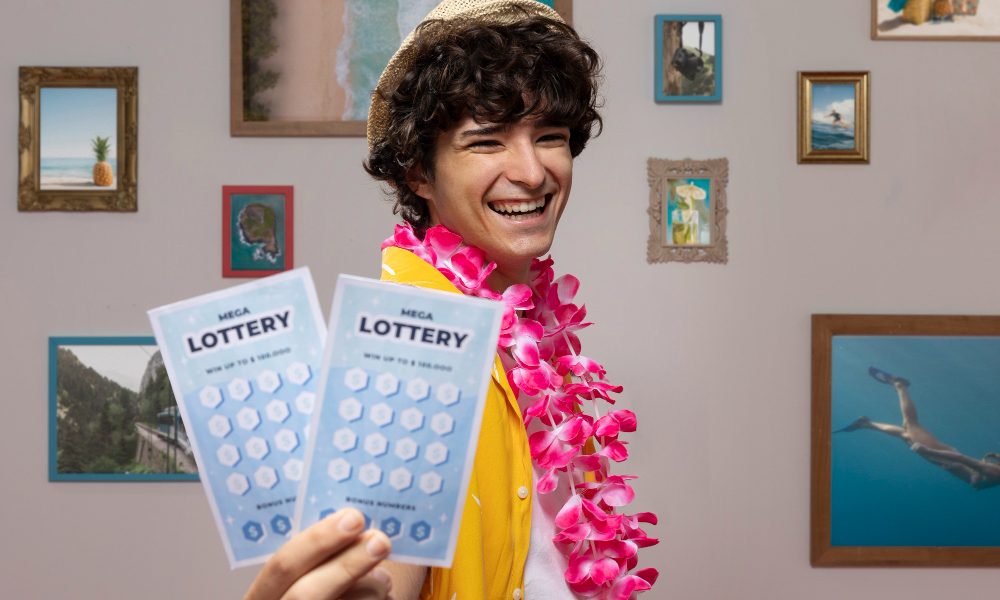
The numbers 21, 31, 51, 60, 63, and the red Powerball 18 have quietly taken up residence in thousands of people’s minds in recent days. From Nashville to Newark, those numbers were not merely sketched; they were felt, repeated, circled, and even scrawled on napkins at kitchen tables.
They appear to be nothing more than numbers taken from spheres that bounce inside a clear drum. For many Americans, however, they stand for something much greater than chance; they are the meeting point of tradition, hope, and that weekly moment when you ask yourself, “What if?”
| Date of Draw | Winning Numbers | Powerball | Power Play | Estimated Jackpot |
|---|---|---|---|---|
| January 26, 2026 | 21, 31, 51, 60, 63 | 18 | 2x | $20 Million |
| Double Play | 08, 25, 27, 46, 67 | 21 | – | Separate Draw |
| Drawing Schedule | Mon, Wed, Sat at 11:00 p.m. ET | |||
| Ticket Expiry | Varies by State | |||
| Official Website | powerball.com |
Notifications were sent out, and by 11:02 p.m. Eastern Time, phones were lit up all over the nation. The winning numbers were active. A mechanic in Memphis, Tennessee, folded his ticket and placed it in his glovebox. A retired teacher in Topeka checked her printed grid of meticulously labeled combinations and released a breath she was unaware she was holding.
They didn’t all win the lottery.
Surprisingly, though, they’ll probably play again the following week with the same organized optimism. The odds are still very high—1 in 292 million is not a figure that anyone can rationally cling to. However, the arithmetic of emotions functions differently. Probability cannot be purchased with a $2 ticket. It’s an opportunity to purchase.
It wasn’t a particularly historic draw on January 26. The estimated $20 million jackpot was small in comparison to the recent headline-grabbing winnings. The data, however, tells us more than we may realize. There was a 2x Power Play multiplier. That straightforward multiplier turns a quiet victory into a joyful one, especially for players who only match a few numbers.
Powerball has changed over the last ten years, moving away from its Saturday night origins. The game has established new rhythms since draws are now held three times a week. At the grocery store checkout, it’s an impulsive choice for some people. Others have made it a habit, motivated by jersey numbers, anniversaries, or even birthdays. There are several different approaches. The intention is the same.
Reviewing the draw, I was struck by how universal the behavior becomes once the numbers are disclosed. I’ve found that almost everyone responds in the same manner—double-checking, justifying, and making jokes. I also noticed that I was staring at the screen a bit longer than was necessary, as though I wanted the numbers to reorganize themselves.
It’s interesting to note that the Double Play draw, a more recent addition that gives players another chance at smaller prizes, has gained its own following. With a Powerball of 21, its numbers (08, 25, 27, 46, and 67) provided a secondary moment of suspense for many players. That extra layer has been especially creative for regular players, providing longer engagement without requiring a separate ticket.
Powerball relies on a very human quality: our capacity to envision different versions of ourselves. Winning entails more than just having more; it also entails doing more, giving more, and fixing more. You live a different life in your imagination for a night.
The game has become extremely versatile through the integration of digital platforms such as Jackpocket and statewide distribution systems. Now, anyone can participate with equal ease, whether they are sitting at a quiet diner in Helena or riding the subway in Manhattan. Once constrained by physical location, accessibility has greatly improved.
However, claiming practices continue to be based on concrete protocols. In Maryland, the majority of retail establishments accept prizes under $600. Anything beyond that necessitates a visit to official offices, occasionally accompanied by an appointment. An intriguing balance of the old and the new can be found in the contrast between physical redemption and digital accessibility.
The fact that players still show up even though they are aware of the odds is especially intriguing. Supporting a team that hasn’t won in years is not unusual among sports fans. Participation is more valuable than the result alone. The engine is that quiet but tenacious optimism.
No confetti showers or screaming headlines were present during Monday’s draw as the ping-pong balls clicked into place. However, thousands of little tales were told all over the nation. For the first time, someone purchased a ticket. Another person overlooked a single digit in a number. A recurring pattern from the previous year provided solace to another.
There has been a noticeable increase in player engagement since the introduction of expanded weekly drawings. It turns out that when opportunities come more frequently, people are more inclined to dream. Even though that dream is fleeting, its ability to excite, divert, and provide a break is still quite effective.
Because of this, the game still performs well even when the numbers don’t add up. It serves as a reminder that a dash of chance can always occur even in the middle of routine. A purposeful moment of possibility that stirs something much bigger at a very low cost.
The process starts over for those who are already anticipating the next draw: choose your numbers, think about the Power Play, and envision the result. The action itself has meaning, regardless of whether you assign meaning to each digit or choose them at random.
Furthermore, the Powerball remains less about chance and more about the distinctly human desire for hope in that private, intimate ritual.



 Bitcoin
  Ethereum
  Tether
  BNB
BNB  USDC
USDC  XRP
XRP  Solana
  TRON
TRON  Lido Staked Ether
  Cardano
  Gram (prev. Toncoin)
  Avalanche