
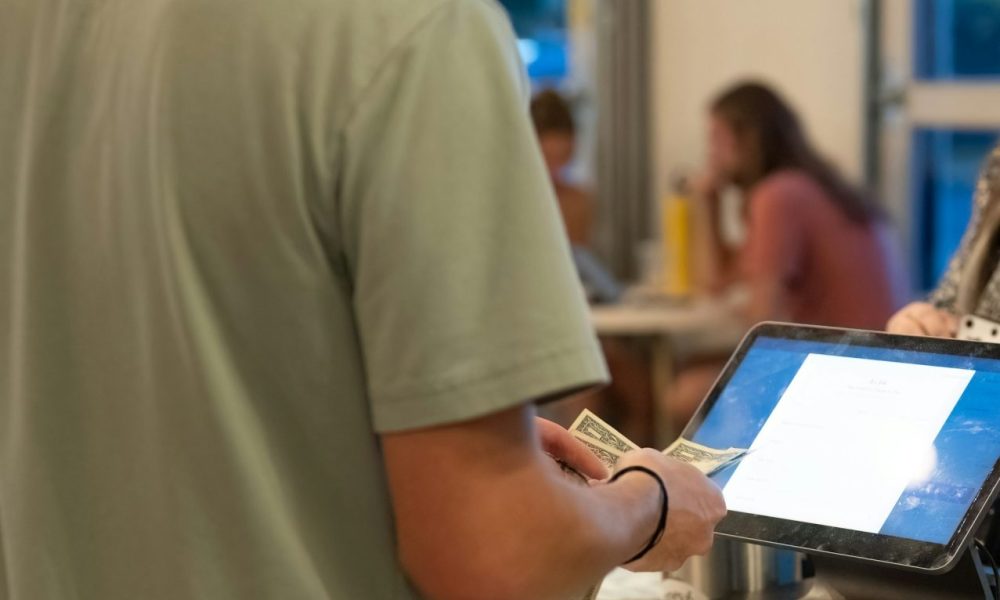
There was a time when a retail till was more mechanical than meaningful—buttons punched, drawers clanged, and end-of-day reconciliation involved scribbled notes and tired guesses. You worked off instinct and luck. You stocked what you hoped would sell. You accepted losses and surprise shortages as the cost of doing business. That time is over.
Today’s EPOS solutions don’t just process transactions; they map the nervous system of an entire business. A sale isn’t just a sale—it’s a signal. It triggers an inventory update, logs the customer’s preferred payment method, adds to a store’s sales data for the day, and, in some cases, even starts the reorder process for that item if it’s low in stock. What used to require four people and a spreadsheet now happens behind the glow of a touchscreen.
I watched a florist in Brighton last month tap through a Saturday morning rush without missing a beat. One hand wrapped stems in tissue; the other nudged a tablet to close the sale. No paper, no stress, and—most notably—no surprise when I asked for a bouquet that was already sold out an hour ago. She smiled and said, “The system told me straight away. I didn’t even have to check.” That blend of calm and confidence only comes when you trust your tools.
It’s inventory management that’s changed the most. Retailers used to “eyeball it,” walking shelves with a clipboard, hoping intuition filled the gaps. Now, an EPOS system updates the stock in real-time, from the moment the barcode beeps. It flags low stock levels before they become problems and helps avoid the slow death of dead inventory. When a best-seller starts to move, the system doesn’t wait for you to notice—it acts. For independent retailers especially, that’s power once reserved for corporate chains.
The human element hasn’t disappeared—it’s been refined. Modern EPOS systems are intuitive by design, often mirroring the gestures and visual logic of a smartphone. New hires pick them up quickly, not because they’re retail veterans, but because the tech speaks their language. There’s less time training and more time selling. And it shows. A confident employee with a reliable system behind them doesn’t just speed up the queue—they create loyalty. Customers remember fast, friendly service more than they remember the product.
But what’s equally interesting is how these systems shape decisions you don’t see. Owners now check sales dashboards from their phones. A café manager knows to bake extra scones on rainy mornings because the data told her that’s when they sell best. A salon realises that Tuesday afternoons are ghost towns and reallocates staff accordingly. This isn’t surveillance capitalism—it’s retail tuned to rhythm.
At one shop, I watched a manager glance at her EPOS screen and decide, mid-shift, to move slow-selling items to the front window. Not because she had a hunch, but because the system’s live reporting showed them underperforming by 37% compared to last week. That kind of pivot would’ve taken days—or never happened at all—in an older setup.
Of course, none of this matters if the customer at the till has to wait. That’s why EPOS excels in the moments that count: peak lunch rush, Saturday sale day, the first 15 minutes after opening. The integration with contactless payments, Apple Pay, split bills, or loyalty points means there’s no awkward fumbling, no line-stopping drama. Just a clean, quick moment of service, and then the next.
It’s tempting to think of all this as inevitable. That this was always going to happen. But the uptake wasn’t universal, and even now, some businesses hesitate—fearing complexity, cost, or the learning curve. Yet the reality is this: EPOS isn’t replacing the human side of retail. It’s giving it a platform to perform better.
Because at its best, retail is rhythm. It’s intuition backed by insight. And if the till is where the customer relationship begins, EPOS is the conductor making sure the music doesn’t miss a beat.



 Bitcoin
  Ethereum
  Tether
  BNB
BNB  XRP
XRP  USDC
USDC  Solana
  TRON
TRON  Lido Staked Ether
  Cardano
  Avalanche
  Toncoin