
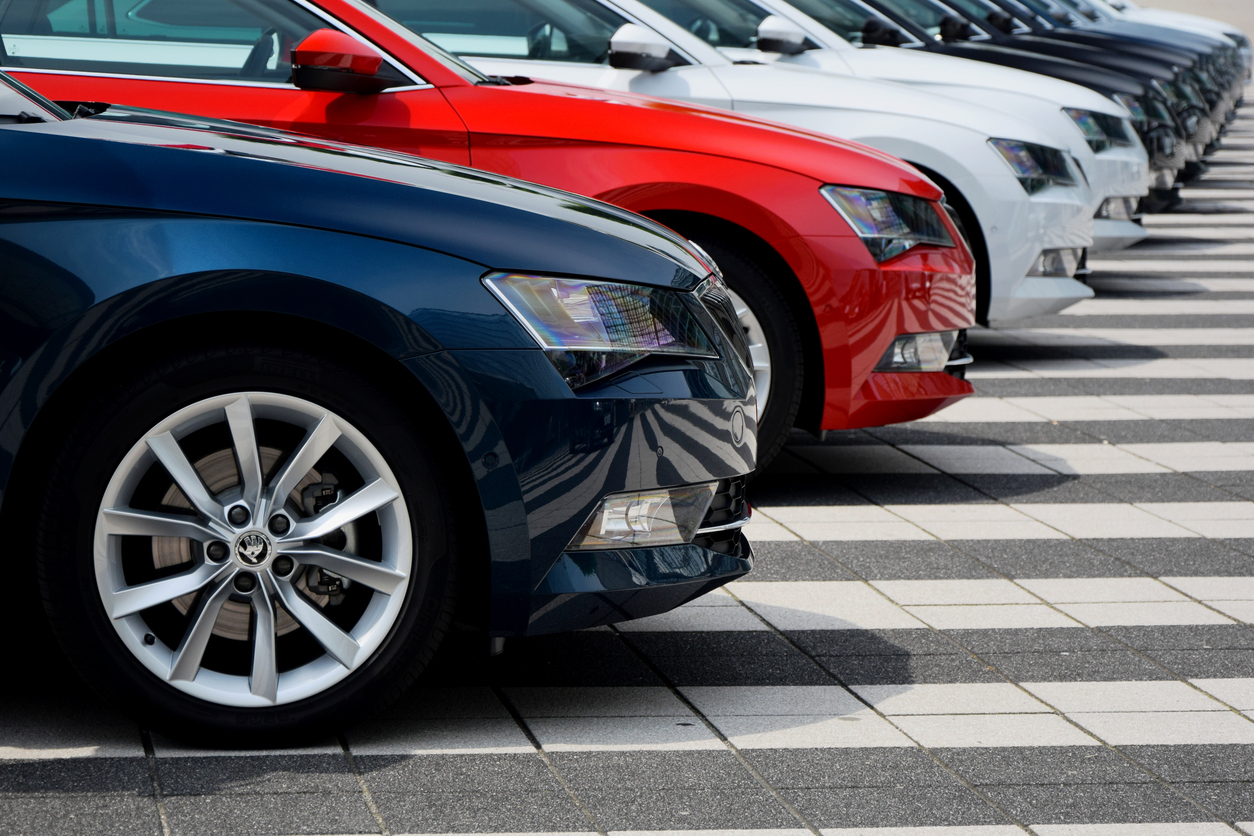

On a quiet suburban street last spring, I noticed something that would have been unremarkable a decade ago but now feels faintly symbolic. Three neighbouring driveways, three cars — all more than eight years old. Clean, cared for, clearly used daily. No temporary plates. No recent upgrades. Just vehicles settled into their routines.
The churn has slowed.
Across the UK, more drivers are keeping their cars for longer. Not out of nostalgia, and not necessarily as a grand statement about sustainability. The shift is practical, almost subdued. Cars have improved. Budgets have tightened. The urge to replace something that still works has softened.
Modern vehicles are engineered with longevity in mind. Corrosion protection is better. Engines routinely exceed mileages that once sounded heroic. Safety features that were once premium extras are now commonplace even in older models. The result is a quiet confidence: a car at 90,000 miles no longer feels like it’s approaching retirement.
That confidence changes behaviour.
Drivers who once traded in every three years are reconsidering. Monthly payments, depreciation curves, insurance premiums — they add up. Keeping a car that’s already absorbed its steepest depreciation begins to look sensible rather than frugal. The arithmetic favours patience.
Reliability plays a central role. A well-maintained vehicle with a full service history offers reassurance that novelty cannot. Owners speak about their cars with a tone that suggests partnership rather than ownership. They know the sounds it makes on cold mornings. They understand how it handles a tricky junction or a steep hill.
Familiarity counts for more than it used to.
In regions where driving is central to daily life, this trend is particularly noticeable. Buyers choosing used cars in Devon, for example, often look for vehicles capable of handling town traffic one day and rural coastal roads the next. Versatility matters because it supports longevity. A car that fits multiple parts of life is less likely to be replaced when circumstances shift.
There is also a growing respect for maintenance. Servicing is no longer postponed lightly. Small issues are addressed early. Owners talk about preventative care with the seriousness once reserved for home improvements. Maintenance has become part of the ownership story, not an inconvenient footnote.
I remember a conversation with a driver who proudly described replacing a timing belt “before it asked to be replaced,” and I found myself admiring the discipline in that decision.
Digital access to information has reinforced this mindset. Buyers now research common faults, running costs, long-term reliability ratings. They check MOT histories and service records before viewing a car. Impulse purchases feel riskier when so much information is available. Decisions stretch further into the future: How will this feel in five years? Will parts still be easy to source? Is it comfortable enough for longer journeys as routines change?
Suitability has overtaken novelty.
The used car market has adapted accordingly. Vehicles with comprehensive histories and sensible specifications hold their value well. Flashy trims without substance matter less than evidence of careful ownership. A car that has been serviced on time, with documentation to prove it, carries quiet authority.
Economic uncertainty lingers in the background. When household costs fluctuate, predictability becomes attractive. A known car with known expenses feels safer than stepping into a new finance agreement. Drivers are weighing long-term outgoings rather than short-term excitement.
There is, too, a subtle emotional element. Keeping a car for years creates attachment, even if owners rarely admit it outright. The steering wheel becomes familiar in the hand. The seating position feels instinctive. Switching vehicles means surrendering that comfort.
And yet this is not sentimentality masquerading as prudence. It is a recalibration of value. The assumption that cars should be replaced frequently now feels faintly outdated. If a vehicle remains safe, efficient, and suited to daily needs, replacing it can seem unnecessary.
Sustainability enters the conversation almost incidentally. Extending a car’s lifespan reduces waste and delays the environmental cost of manufacturing a replacement. For some, that matters deeply. For others, it is a welcome side effect of financial common sense.
The roads reflect this shift. Average vehicle age is rising. Driveways host cars that would once have been traded in by now. Mechanics report customers asking about extending lifespan rather than planning upgrades.
It is not dramatic. There are no headlines announcing a revolution. Just drivers, quietly deciding that what they already own is good enough — and perhaps better than they once realised.



 Bitcoin
  Ethereum
  Tether
  BNB
BNB  XRP
XRP  USDC
USDC  Solana
  TRON
TRON  Lido Staked Ether
  Cardano
  Avalanche
  Toncoin