Bitcoin
  Ethereum
  Tether
  BNB
BNB  USDC
USDC  XRP
XRP  Solana
  TRON
TRON  Lido Staked Ether
  Cardano
  Gram (prev. Toncoin)
  Avalanche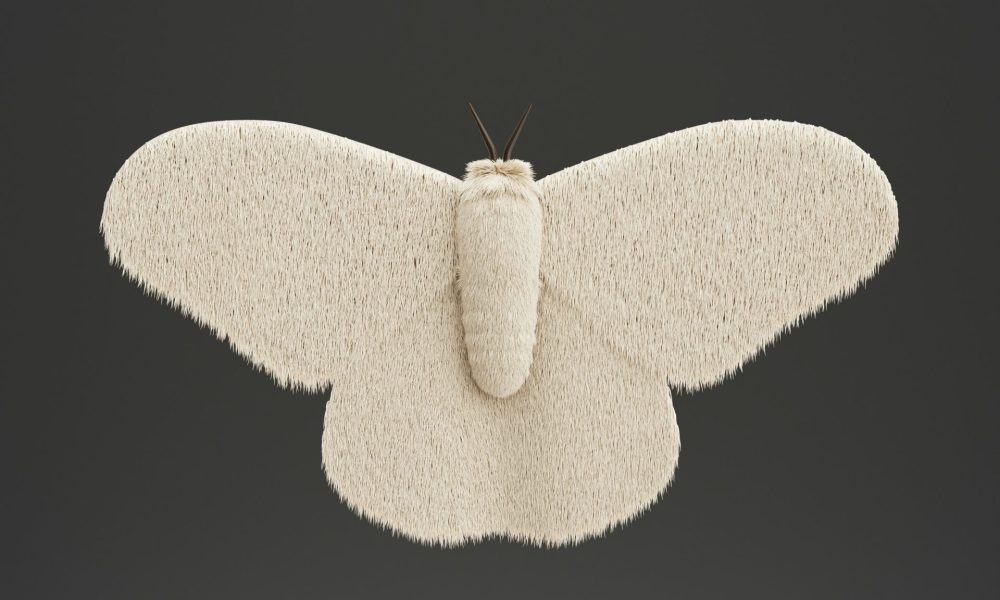
In the UK, we have carpet moths. Be aware of them! Even though they’re small, they can do big damage if you don’t take care of them. Unlike other pantry moths, carpet moth caterpillars feed on natural fibers, wool, silk, and other animal-based materials. The adult moth does not what does the damage: it’s the larvae, which gnaw their way into carpets and rugs to feed. Taking action against carpet moths sooner is the key if you want to avoid expensive repairs or having your flooring destroyed beyond repair.
How to Recognize Carpet Moths
The first stage of treatment for carpet moths is to identify the proof of their presence. Some of the signs are small bald spots on your carpet, thin spots under furniture, and any uneven holes in rugs. Cast larval skins and powdery sandy droppings are also typical signs. Adult moths are generally small, beige, and are not attracted to light; they hide in dark corners or under heavy furniture. This is because, as with many diseases, the earlier cancer can be detected, the easier it will be to treat.
How to Tell Why Carpet Moths Are There
Carpet moths favour dark and undisturbed areas in which to deposit their eggs. Common hiding places include under sofas, beds, wardrobes, and behind skirting boards. They are particularly attracted to natural fibers, and so wool carpets and rugs are most at risk. Dust, pet hair, and crumbs stuck in the carpet fibers can also catch moths, so it’s important to clean your carpets often.
Immediate Steps to Take
If you think you already have an infestation, don’t delay. To start, vacuum the carpets very well, focusing on edges and corners as well as under any furniture. Throw the vacuum bag away after using, as it may become reinfested. Dragging furniture around and leaving inaccessible areas exposed to light and fresh air can disturb the moths’ breeding cycle. Fast action is important when it comes to carpet moths in order to avoid damage.
Deep Cleaning and Professional Treatment
Eggs and larvae that are deep down in carpet fibers may not be removed by surface cleaning alone. Professional deep cleaning or steam cleaning will kill larvae and remove embedded debris that attracts moths. If the problem persists, professional pest control technicians will be able to use safe insecticide solutions for indoor use. Expert evaluation eliminates the infestation and decreases the likelihood of re-infestation.
Preventative Measures for Long-Term Protection
It is equally important to guard against new infestations as it is to treat existing ones. Regular vacuuming at least once or two times a week will suck up the eggs and food supply. Flip the furniture once in a while, to keep any spots from going too long unspoken. You can put moth deterrents or natural repellents in vulnerable areas for extra safeguarding. Low humidity will prevent moths from breeding, since they thrive in warm, humid settings.
Wool and Natural Fiber Carpet Protection
Because most carpet moths are attracted to natural fibers, you’ll want to be extra vigilant if you own wool or handmade rugs. Regular professional carpet cleaning helps to preserve the life of your carpet and helps you avoid having to replace or repair it as a result. To protect these rugs when you aren’t using them, consider keeping them in airtight, breathable bags to block moths’ access. For the care of delicate fabrics, chemicals should be avoided that can destroy the fibers, and instead, only recommended treatments should be used.
Common Mistakes to Avoid
One frequent mistake is to disregard early warning signs, believing there’s not much damage. carpet moth infestation: How to get rid of carpet moth infestations are spreading fast. Another mistake is depending on the use of mothballs and neglecting thoroughly wash. Repellents will provide the effects to adult moths only and not kill existing eggs or larvae. How to Treat Carpet Moths Treating for carpet moths effectively includes cleaning, controlling, and preventing.
Monitoring After Treatment
Check carpeting periodically for further infestation. Inspect dark corners and beneath furniture. Regular upkeep is required to monitor new infestations. Professional maintenance will help monitor any return of the infestation so that infestation control can be reinstated before substantial damage ensues. Continual maintenance is, perhaps, the most important part of protecting your investment. Effective dealing with carpet moths requires a combination of cleaning, monitoring, and prevention.
Final Thoughts
Carpet moths can munch silently away at your precious floor if not kept in check. You can effectively control and keep infestations from taking over by knowing the early signs, acting quickly, and putting preventive measures in place. Carpet moths can be tough to get rid of, and removing them needs patience, specific cleaning methods, and products, but if you do it right, you can prevent your precious carpets from being destroyed and enjoy a clean, healthy living space for years.