
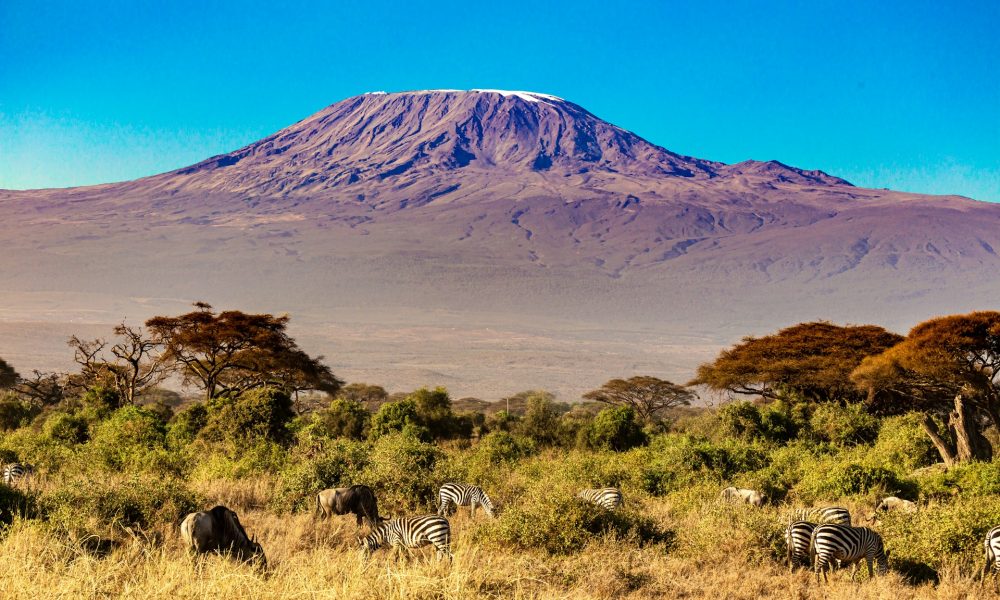

Mount Kilimanjaro will always be one of the most iconic destinations for global travellers and adventure enthusiasts alike. Standing at a staggering 5,895 metres, it is the tallest mountain on the African continent and a massive contributor to Tanzania’s thriving tourism economy.
Although the peak’s snow-capped summit may appear daunting, Mount Kilimanjaro is mostly a trekking mountain, making it an achievable bucket-list goal for more than 30,000 people each year.
For those planning a journey up this East African wonder, the success of the trip is often determined by a single decision: the route you take. With varying degrees of difficulty, acclimatisation profiles, and scenic value, selecting the right path is essential for both your safety and enjoyment.
Here is a breakdown of the most popular climbing routes to help you make the best choices for your journey to the “Roof of Africa”.
The Scenic Appeal of the Machame Route
Often referred to as the Whiskey Route, Machame is widely considered the most picturesque trail on the mountain. It approaches from the south, leading trekkers through a stunning array of ecosystems, from lush rainforests and moorlands to the stark beauty of the alpine desert.
The Machame route typically takes six to seven days. Steep inclines and the famous Barranco Wall make this route more physically demanding than some alternatives. The “climb high, sleep low” topography allows enough time for acclimatisation, which ultimately contributes to its high success rate among fit hikers.
Optimal Acclimatisation on the Lemosho Route
For those who prefer a longer, more gradual ascent, the Lemosho Route is widely recommended by mountain experts. Starting from the western side of the mountain, it takes you through the Shira Plateau before joining the Machame path.
Because the trek usually spans seven to eight days, it provides ample time for the body to adjust to the thinning air. This route is known for its low traffic in the beginning stages and its spectacular views of Shira Volcano and Kibo Peak. It offers a premium experience for those looking to balance a physical challenge with a higher probability of reaching Uhuru Peak.
Solitude and Success on the Northern Circuit
The Northern Circuit is considered the youngest route on Kilimanjaro. It is the longest trail on the mountain, typically taking nine days to complete, and circles the quieter northern slopes.
There are two main advantages here: solitude and safety. By avoiding the more crowded southern trails for the majority of the hike, climbers enjoy a true sense of wilderness.
Furthermore, the extended time it takes to summit makes it the safest route in terms of altitude sickness prevention, earning the northern circuit the highest summit success rate of any path on the mountain.
The Historic Appeal of the Marangu Route
Often called the Coca-Cola Route, Marangu is the oldest and most established path. Its unique selling point is that it offers hut accommodation rather than camping tents, which is a significant draw for climbers who seek higher levels of comfort and protection from the elements.
While it is often perceived as the “easiest” route because of its gradual slope, Marangu actually has a lower success rate than many realise. This is largely because climbers often attempt to complete it in just five days, which cuts down the time needed for efficient acclimatisation. For a successful summit via Marangu, adding that sixth day is recommended.
Weather Resilience on the Rongai Route
The Rongai Route is the only path that approaches Kilimanjaro from the north, near the Kenyan border. Because this side of the mountain receives significantly less rainfall than the southern slopes, Rongai is an excellent choice for those climbing during the wetter months of the year.
Rongai takes about six to seven days, with enough breaks for acclimatisation. The trail offers a steady, gradual climb with well-spaced camps, and while it lacks some of the drama provided by the scenic views of the southern routes, the final camp beneath Mawenzi Peak is arguably one of the most scenic on the mountain.
The Technical Challenge of the Umbwe Route
Unlike other popular routes, the Umbwe Route is reserved for the truly experienced and physically strong climbers. It is the steepest and most direct ascent, offering very little time for the body to adjust to the altitude. Although the route can be completed in five days, those who space the climb over seven days tend to have higher success rates.
While Umbwe fast-tracks climbers to the higher camps, it is widely considered the most difficult way to reach the top. Because of the rapid gain in elevation, the summit success rate is notably lower than on other paths, making it a better option for those with previous high-altitude experience and high levels of fitness.
Final Thoughts
The secret to a successful venture to the summit of Mount Kilimanjaro is choosing a route that fits your fitness levels and allows adequate time for acclimatisation.
Whether you select the Machame route for its picturesque views or go with the serene stretches of the Northern circuit, Kilimanjaro is a significant journey that requires thorough preparation, from physical training to investing in the correct technical gear. With the right guides, reaching the top of Africa’s highest peak can be a fulfilling and transformative experience
Uhuru Peak is waiting; which route is calling you?


 Bitcoin
  Ethereum
  Tether
  BNB
BNB  XRP
XRP  USDC
USDC  Solana
  TRON
TRON  Lido Staked Ether
  Cardano
  Avalanche
  Toncoin