
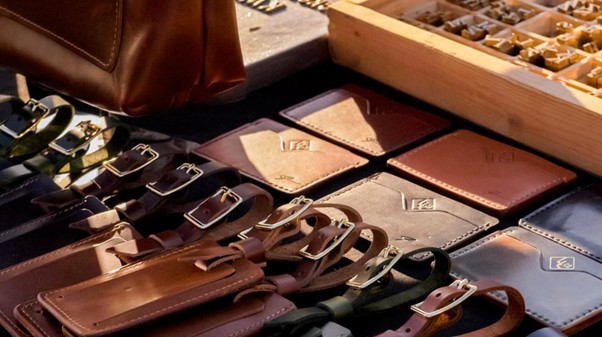
The momentum for the Travel Goods Industry continues to accelerate in 2026, with the Leather baggage group making a mark in increased total revenue, as well as changing the way consumers view durability and craftsmanship.
According to recent industry reports from Statista and Grandview Research, two of ou sources, the market for Travel Bags was worth approximately $20–$22 billion in 2023. Projected growth for this segment of the travel goods industry is expected to be between 6%–8% through 2030 based on that revenue. The key reasons for this growth are due to rebounding international tourism, premiumization trends, and growth in disposable income in emerging markets.
Travel Rebound Fuels Market Expansion
Tourism on a global scale has been recovering across the world after major declines due to COVID-19. According to the United Nations World Tourism Organization (UNWTO), in late 2023, international travel was at about 90% of what it had been prior to 2019, with a forecasted full recovery of international travel to be completed by 2025 in many of the largest tourist markets. As passenger numbers increase, so does the demand for all types of travel accessories and luggage.
Travel accessory and luggage market growth above may be, on average, a positive trend globally; however, this growth is not distributed evenly throughout all levels of the market. Although entry-level luggage continues to grow significantly by volume level, premium level luggage segments, like leather luggage, are growing faster in terms of dollar-value growth than entry-level segments. It seems that consumers are increasingly willing to pay for fewer, higher-quality durable items intended to last more than just one trip.
“A trend is emerging that shoppers are looking for more than just disposable products to use for travel,” stated a retail analyst in London. “There is a major shift toward durable-based products, sustainable products, and products manufactured with high-quality craftsmanship, especially within North America and Western Europe.”
Premium Leather Segment Gains Share
Luxury items such as leather products have historically been associated with quality and durability, and market reports show that premium quality travel accessories are growing faster than average quality products (or mid-tier) in terms of both sales volume and margin. Consumers buy these types of accessories for reasons other than aesthetics; they also are purchasing them because they believe the items will last for a long time and will be able to use them again after many years.
In addition to the general increase in sales of luxury products, the Mens Leather Travel Bag segment has been very successful recently. This trend reflects changes in spending behavior by male consumers across other categories. As per the latest Euromonitor statistics, men’s accessories (i.e., bags, small leather goods) have shown consistent annual growth, and this segment of product types is leading the way in travel-specific categories of accessories.
As per transaction data from retailers, both business travelers and remote working professionals have begun to invest in bags with several uses that capture both traditional styling and modern functionality (e.g., padded laptop compartments, reinforced stitching). As the global workforce transitions to hybrid work models, the demand for travel-ready accessories that serve multiple purposes has been increasing as the number of people looking for such accessories grows.
Regional Insights: Asia-Pacific Leads, Europe Holds Luxury Edge
Geographically, the Asia-Pacific is one of the most rapidly developing regions of the world, with high levels of disposable income in China, India, and parts of Southeast Asia leading consumers to start spending more money on branded travel accessories. China also plays an important role in the global luxury goods marketplace, as it has a large market for purchasing luxury consumer products, such as travel luggage and other branded products, through domestic tourism.
The European travel bags market continues to be the most popular among consumers, as European countries such as Italy, France, and the UK are known for their high-quality and beautiful design of fine Leather Travel Bags. The European leather goods industry has remained relatively strong and steady over the past several years as many European manufacturers and brands continue to experience increased demand for their fine leather goods from domestic and international buyers.
North America and the U.S. specifically continue to be the most developed and stable markets in the world. Data shows that U.S. consumers are continuing to move towards purchasing high-end travel bag items with fewer purchases, as many travel accessory brands continue to see an increase in their entire premium travel accessory segment.
E-Commerce Reshaping Distribution Channels
The continued expansion of online shopping is yet another important factor in redefining the business. The global luggage and travel accessory market is now comprised of a major percentage of e-commerce. According to analysts, at least 30% of travel bags sold in the developed markets are now through digital channels.
Consumer Brands take advantage of social media to market their products by telling Stories About Where They Are Made And What Materials Were Used, And How They Are Made. Traditional luxury companies have since added an online presence with luxury products made available to consumers around the world.
Although B&M retail maintains a high degree of importance, especially for high-value leather goods, which almost all customers prefer to look at before purchasing, more and more people are using Online Retail To Search And Compare Products To Purchase or buy.
Sustainability and Ethical Sourcing in Focus
Sustainability now plays an important role in the consumer purchase decision-making process. Consumers want to know more about the source of leather, the process of tanning leather, and how long the leather will last. Brands providing and communicating transparency around their ethical sourcing practices and environmentally sound manufacturing are benefiting from a competitive advantage over other companies in the marketplace.
According to McKinsey & Company, approximately 60% of consumers around the world consider sustainability factors when making purchases. This percentage is higher in the premium segment.
The current trend of consumers looking for sustainably produced products is causing manufacturers to eliminate the use of the chemical tanning process in favour of using vegetable-based tanning methods, reduce the amount of water used in the tanning process, and increase levels of traceability in their supply chains. These initiatives are putting manufacturers in a better position to meet both regulatory obligations in certain markets and consumer expectations for responsible consumption.
Challenges Remain Despite Growth
As a result of the considerable positive momentum in the industry, challenges still persist. There are still several ongoing challenges that are affecting margins, including the cost of raw materials, primarily leather and metal components, which have continued to fluctuate. While supply chain disruptions are not as severe as they were in 2021-2022, there are still a number of risks associated with supply chain disruptions in certain regions.
Other areas of concern for premium leather manufacturers are counterfeit goods. Estimates from industry associations suggest that counterfeit luxury products account for hundreds of billions of dollars globally each year and have a direct effect on the equity of premium leather brands and their sales.
In addition, premium leather manufacturers are facing increased competition from synthetic alternatives that are being promoted as vegan and/or environmentally friendly. Although leather products are synonymous with durability and tradition, the market share of alternative materials is growing at a rapid rate as more environmentally conscious consumers are looking for alternatives to leather.
Outlook for the Coming Years
Predictions for the next several years say business analysts feel positively about the future of the travel bags market overall. Travel activity is expected to continue to rebound to peak levels
as travel demand picks up, and there is a trend among consumers toward purchasing high-quality/lasting products that will contribute to the positive outlook for the premium, i.e., high-end segment of the travel bags market.
According to forecasts for the next several years, the global travel bags market has the potential to become a $30 billion market by 2030 (based on continuing current trends). Of that dollar amount, most of the growth is predicted to occur in the higher-margin product categories (e.g., leather goods).
Both manufacturers and retailers understand that today’s consumer wants more than just to purchase a piece of luggage; they want to purchase a product that represents their style, is suitable for the intended use, and will perform for years to come. Travel has become an increasingly global phenomenon, and the premium way in which people shop for travel bags has completely transformed the way we, as buyers, act. The travel bag marketplace will soon enter a new phase based on quality rather than quantity.



 Bitcoin
  Ethereum
  Tether
  BNB
BNB  USDC
USDC  XRP
XRP  Solana
  TRON
TRON  Lido Staked Ether
  Cardano
  Gram (prev. Toncoin)
  Avalanche