
Kellervogel Reports Introduction of New Analytical Resources Designed to Support Smarter Stock and Digital Asset Investing

Kellervogel’s latest announcement speaks to a problem that has been easy to spot for years and strangely hard to solve well. Investors have no shortage of data. They are flooded with it. Prices flicker across screens, alerts arrive by the minute, charts multiply, and yet the central difficulty remains stubbornly the same: how to turn movement into understanding.
The company says it is introducing new analytical resources designed to support investors navigating both stock markets and digital asset trading. On paper, that sounds like the sort of update trading platforms now release with regularity. In practice, it points to a larger shift in what users expect from these systems. Access is no longer enough. People want context close to the trade, not scattered across a dozen tabs and half-read research notes.
That demand did not appear overnight. It built gradually, then became impossible to ignore.
I remember, a few years ago, opening one retail trading interface during a volatile afternoon and feeling a brief, almost physical fatigue at the clutter of it. Numbers everywhere. Urgency everywhere. Very little help in deciding what deserved attention and what was merely loud. The better platforms eventually learned that more information is not the same thing as better information, and Kellervogel’s new resources seem aimed at that lesson.
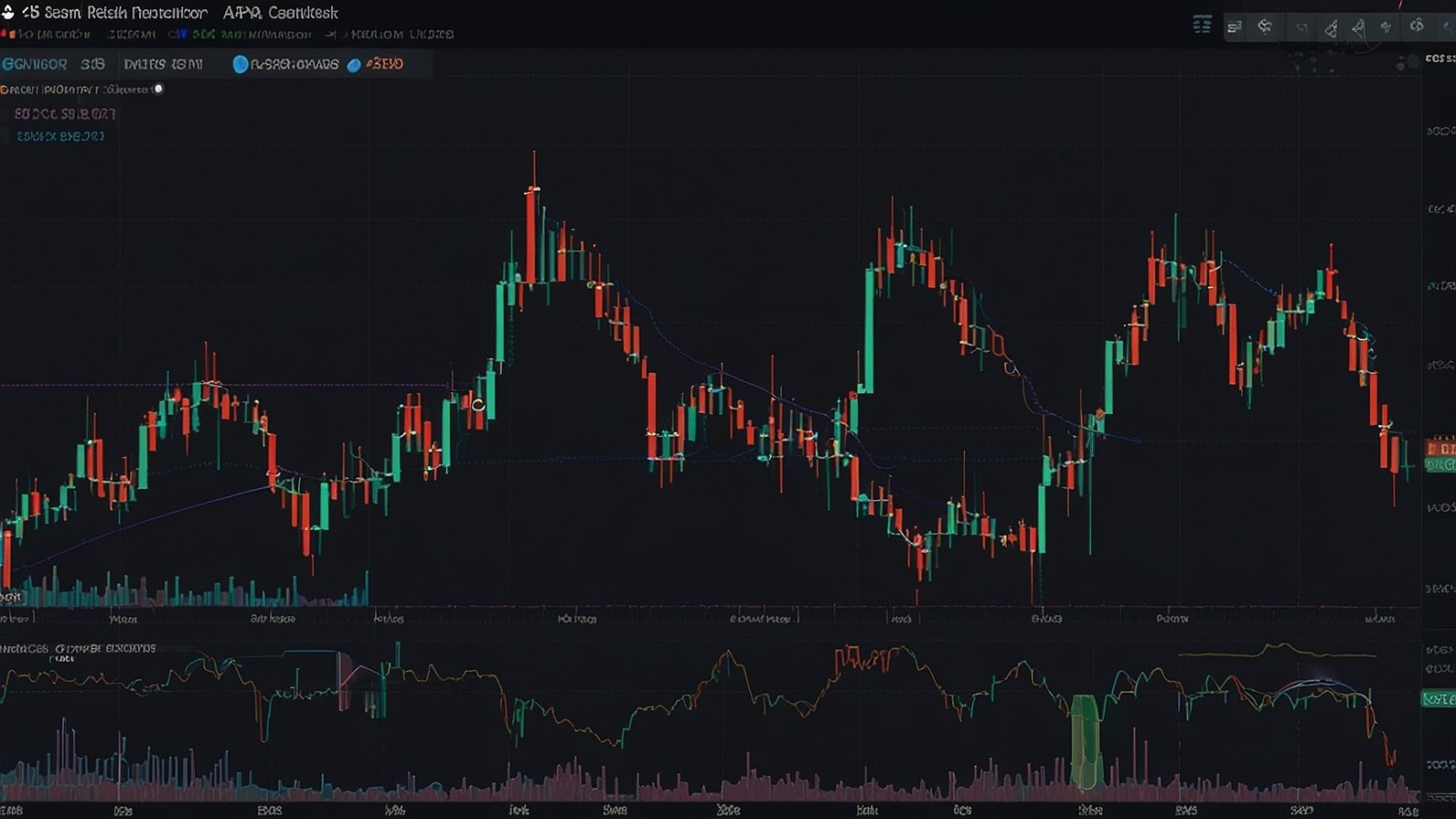
The company describes systems that process market data and present it through structured dashboards and informational reports. That phrase, “structured dashboards,” tends to sound dry until one recalls what the alternative looks like. Fragmentation is expensive. Investors tracking equities, indices, and cryptocurrencies often end up moving between disconnected tools, trying to compare unlike signals across separate interfaces, while the market keeps moving without waiting for them to catch up.
Kellervogel appears to be trying to reduce that friction by building analysis and execution into the same environment. It is a practical decision, but also a revealing one. When a platform lets users review price movements, trading volume patterns, and broader financial indicators without leaving the system where trades are placed, it subtly changes behavior. Decisions can become less impulsive. Not always. But often enough to matter.
That is where the infrastructure question comes in, and it is the part of these announcements I tend to read twice.
Analytical tools are only useful if the data arrives accurately and on time. Kellervogel says the rollout has been supported by upgrades to the platform’s data-processing infrastructure, with engineering teams improving the systems responsible for collecting, organizing, and distributing financial information. That may not thrill a marketing department, but anyone who has watched a trading platform strain under sudden volatility knows how much hangs on those invisible improvements.
Financial data comes from everywhere at once. Stock exchanges, crypto markets, macro indicators, sentiment shifts that suddenly harden into trend. Processing those streams without disrupting execution requires a backend that is both disciplined and flexible. Scalable architecture is not a glamorous phrase, but it usually means one thing users can feel immediately: the platform remains usable when everyone else rushes in at the same moment.
I found myself trusting the announcement more when it lingered on the plumbing.
There is also something telling in the way Kellervogel frames the relationship between analytical processing, data distribution, and transaction management. Too many discussions about trading technology separate these functions as if they belong to different worlds. They do not. If a platform executes trades cleanly but feeds users stale or poorly organized data, the system still fails in a meaningful way. Likewise, a beautifully designed dashboard means little if the underlying transaction records are inconsistent or delayed.
This is why stable communication between servers, financial networks, and user interfaces matters so much. It keeps the visible layer honest. It allows analytical insights to stay aligned with live conditions instead of becoming decorative features that look impressive in a product demonstration and feel thin in actual use.
The user environment, as described by Kellervogel, extends beyond charts and reports. The company points to improvements in interface clarity, data visualization, account management, and security systems. Those details might appear secondary, though in practice they shape a trader’s confidence minute by minute. Investors need to see the market clearly, but they also need reliable portfolio records, synchronized account information, and the sense that their financial data is not sitting in a vulnerable system patched together in haste.
Trust has a technical texture.


 Bitcoin
  Ethereum
  Tether
  BNB
BNB  USDC
USDC  XRP
XRP  Solana
  TRON
TRON  Lido Staked Ether
  Cardano
  Gram (prev. Toncoin)
  Avalanche