
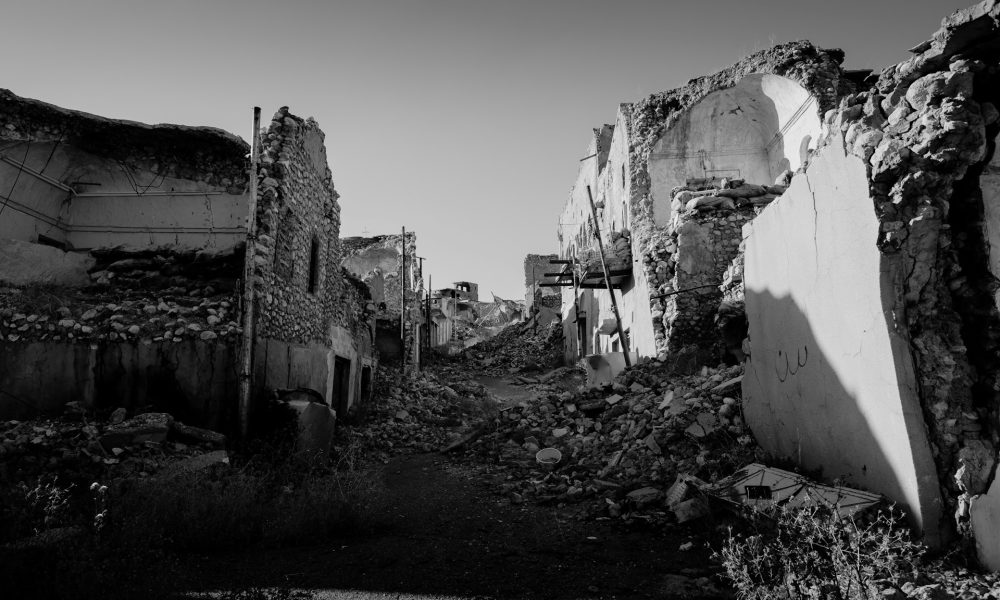
The war between Iran and the United States is the biggest news in the world at the moment. Plenty of people understand that the impact of the war goes beyond the two countries and their neighbours. While most of the countries in the world may not become victims of the missile attacks, the impact of the crisis is bound to be felt by the entire world. A specific team of people that are experiencing tension about the war are investors. If you are an investor, you are probably wondering how you should react to the market volatility as a result of the conflict between these countries. Market volatility refers to the degree of variation in the price of financial assets over a specific amount of time as a result of an event such as a geopolitical war. Read the full analysis for some insight on the decisions you should make.
The impact of the US-Iran war on the market
As of the writing of this post, it has been two weeks since the beginning of the war between the US and Iran. With each waking day, the conflict continues to intensify, and so does its impact on the global economy. The situation is causing a lot of anxiety among investors globally as it keeps punching the prices of crude oil higher and higher by the day.
The market that has been affected the most is the energy market as crude oil prices have already increased almost 50% more than levels seen before the beginning of the crisis. This is as a result of the supply disruptions in the region.
Besides the oil market, the tension between the two countries has affected the financial markets significantly. Global equity markets have seen a noticeable correction since the attack on Iran by the United States took place. Currency markets have also been sharply impacted by the geopolitical crisis.
Immediately the attack on Israel began, the equity markets fell sharply. However, this is not a foreign occurrence. Even in the past, in the event of a geopolitical crisis, the equity markets usually responded by falling sharply in the early phase.
How should investors react to the market volatility
Most investors have already reacted to the crisis by moving into safer assets and waiting for clarity. However, is this the right move? When it comes to the financial markets and making decisions, the key is usually to research and make informed choices instead of emotional decisions. Investors should watch out for the following variables before making decisions:
● The scope of the Iranian retaliation – The extent to which Iran retaliates will affect the escalation rate. Thus, if the retaliation is extreme, then investors can expect a more significant impact on the financial markets and therefore should make moves to safer assets.
● Duration – the longer the military operations continue, the higher the impact on the markets.
● Impact on the energy markets – the more the energy market is affected, the more other markets and sectors will also feel the impact of the crisis.
Besides watching out for the following factors, investors should also take portfolio management very seriously at this time. This is one of, but not the only, best way to react to this geopolitical crisis and its resulting market volatility.
Conclusion
The Iran-US war has evolved from being a geopolitical crisis to a global shock on energy supply. This shock has significantly impacted global financial markets. Even if the military action between the two countries and their allies ends soon, the impacts of the event on growth, inflation, and prices of commodities could linger for some time. The markets are bound to rebound in the case of a cease fire on military operations. However, elements like emerging market stocks may not have such a phase. They may not resume their performance immediately. So, it is wise for investors to assess the situation closely and make decisions based on the results of the analysis. This is not the time to make rush and uninformed decisions.



 Bitcoin
  Ethereum
  Tether
  BNB
BNB  USDC
USDC  XRP
XRP  Solana
  TRON
TRON  Lido Staked Ether
  Cardano
  Gram (prev. Toncoin)
  Avalanche