
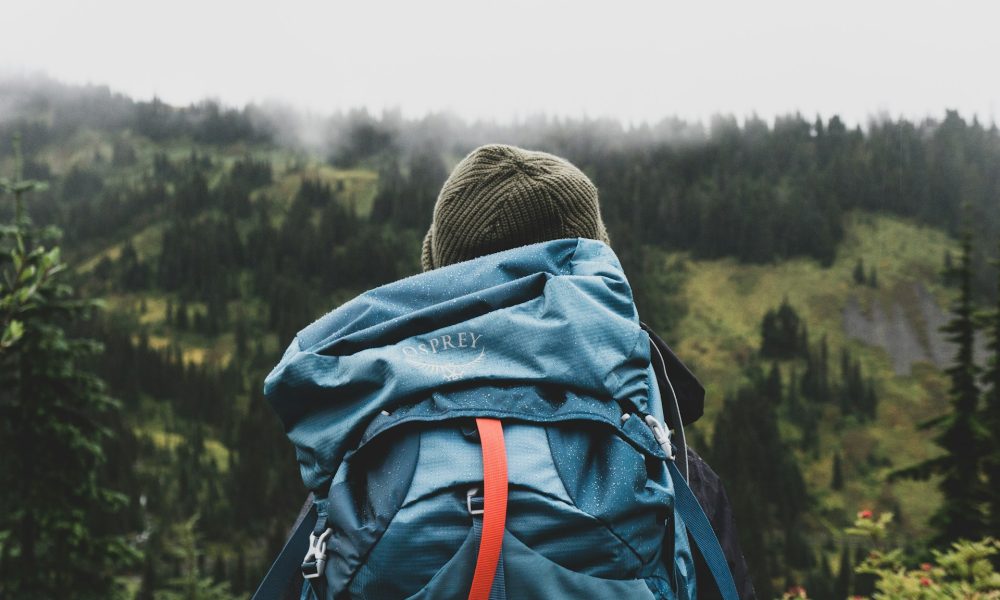
Andrew Schry is an avid camper and backpacker with experience across varied terrain and weather conditions. For him, outdoor pursuits combine physical exertion, scenic beauty, and time for reflection. Yet wilderness travel is not always restorative. In rare but critical moments, it tests judgment, humility, and survival instincts. Few stories capture that tension more vividly than Mark Jenkins’ 2012 Backpacker article, “Die Another Day,” which explores the fine line between perseverance and prudent retreat.
The story centers on a 2005 expedition to Nyambo Konka, a roughly 20,000-foot peak in eastern Tibet that had never been successfully climbed. At the time, the mountain was sparsely mapped, with little photographic documentation available. Jenkins and his climbing partner, Ross Lynn, flew into a remote region and spent a week ferrying supplies to base camp. During that time, persistent cloud cover and snowfall obscured the summit, allowing only fleeting glimpses of the objective.
When the weather briefly cleared, the pair advanced toward the mountain and established a camp beneath a massive hanging glacier stretching nearly a quarter mile across. Believing they had found relative protection under a rock rib, they settled in for the night. Their confidence proved fragile. An avalanche thundered past their position, forcing them to relocate in darkness. After digging out a new tent platform by headlamp, they lay down again—only to hear another avalanche sweep through the adjacent slope. As Lynn observed, “Couloirs are avalanche chutes and the rock is rotten.”
The next decision weighed heavily. There were no dramatic warning signs—no hurricane-force winds or obvious slabs of fresh powder—but uncertainty itself posed a risk. From their position, they could not clearly assess conditions higher on the face. When they resumed climbing, they quickly encountered stacked blocks of fractured rock held together by thin seams of ice. The mountain above appeared increasingly unstable.
Eventually, they entered a couloir—a steep, narrow mountain gully that channels snow, ice, and debris downward. Couloirs are prized by experienced climbers and skiers for their direct lines to summits, but they are also natural avalanche pathways. Movement in such terrain requires careful timing and confidence in snowpack stability.
Climbing in alpine style, the pair moved unroped through sections of the couloir, using ice tools for purchase. Snow squalls intensified, at times nearly knocking them off balance. They began to calculate the consequences of continuing. Even if they reached the summit, they would likely be forced to bivouac in an exposed location with limited protection from the elements. Hypothermia and frostbite were serious possibilities. A significant overnight snowfall could dramatically increase avalanche risk.
Faced with mounting uncertainty, they chose to retreat. The decision to turn back, Jenkins later reflected, was less about weakness and more about preserving the chance to return.
In 2009, Jenkins returned with a four-person team to attempt Nyambo Konka again. This time, they made remarkable progress up the east face, climbing steep couloirs and crossing fragile snow bridges. They tunneled through a 40-foot ice wall and emerged just one long pitch below the corniced summit ridge. The summit was tantalizingly close.
Yet the final stretch demanded additional technical protection—ropes and ice screws they had not carried for that section. With exposure severe on both sides of the ridge, the margin for error narrowed to nearly zero. Once again, the climbers chose to descend rather than gamble.
The descent proved no less dangerous. After downclimbing approximately 800 feet, a powerful storm moved in. Snow accumulated rapidly as they carved a narrow ledge for their tent. Avalanche danger increased with every passing hour. Ultimately, they dismantled camp and continued descending in whiteout conditions. Though treacherous, downward movement offered a greater probability of survival than remaining stationary under heavy snowfall.
Jenkins’ account underscores a central truth of mountaineering: summit success is optional; safe return is mandatory. The most critical skill in high-risk environments is not strength or endurance, but judgment.
For outdoor enthusiasts like Andrew Schry, who pursue adventure on a more moderate scale, the lesson remains relevant. Whether navigating exposed ridgelines, backcountry trails, or unpredictable weather systems, the willingness to turn around can be the difference between a meaningful story and a preventable tragedy. In the outdoors, restraint is not defeat—it is discipline.



 Bitcoin
  Ethereum
  Tether
  BNB
BNB  USDC
USDC  XRP
XRP  Solana
  TRON
TRON  Lido Staked Ether
  Cardano
  Gram (prev. Toncoin)
  Avalanche