
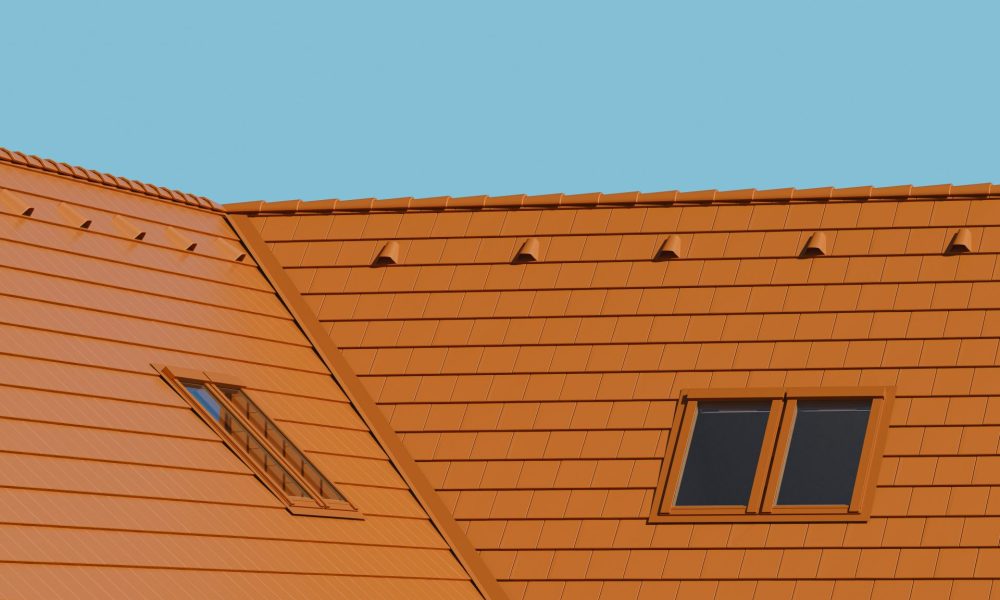
When it comes to maintaining a property, the roof is one of the most important — and often most expensive — elements to consider. Yet for many UK homeowners, it’s something that only gets attention when problems arise.
With rising repair costs and unpredictable weather, more people are starting to think proactively about roof longevity. The question is no longer just about fixing issues, but understanding which materials offer the best long-term performance.
The answer depends heavily on what your roof is made from.
Why Roof Material Makes Such a Big Difference
Not all roofs are built to last the same length of time. Materials vary widely in durability, resistance to weather, and maintenance requirements.
In the UK, roofs are constantly exposed to rain, wind, frost, and temperature changes. Over time, these conditions take their toll, particularly on lower-quality or ageing materials.
Choosing the right material — or understanding what you currently have — can help you plan ahead, avoid unexpected costs, and make smarter long-term decisions about your home.
Comparing the Lifespan of Common Roofing Materials
Roof lifespan can range from a few decades to well over a century depending on the material used. Here’s how the most common options compare:
- Slate roofs can last 75 to 100+ years when properly installed
- Clay tiles typically last between 50 and 100 years
- Concrete tiles usually last around 40 to 60 years
- Flat roofing systems often last 20 to 30 years
- Asphalt-based materials tend to last 15 to 30 years
This variation is why material choice plays such a key role in both performance and long-term cost.
Slate: The Longest-Lasting Option
Slate is widely considered the gold standard for roofing durability.
As a natural stone, it is highly resistant to weathering, moisture, and temperature changes. In many cases, a slate roof will outlast the structure it is installed on.
This makes it a popular choice for period properties and homeowners looking for a long-term investment. While the upfront cost is higher, the lifespan often justifies the expense.
Clay and Concrete Tiles: Reliable and Widely Used
Clay and concrete tiles are among the most common roofing materials across the UK.
Clay tiles are known for their durability and traditional appearance. They can last for decades with minimal maintenance and perform well in a range of weather conditions.
Concrete tiles offer a more cost-effective alternative while still providing a solid lifespan. Although they may not last as long as clay, they remain a reliable choice for many homeowners.
Both options strike a balance between affordability and longevity, making them a practical middle ground.
Flat Roofs: Practical but Shorter Lifespan
Flat roofs are commonly used for extensions, garages, and modern builds.
While they are often cheaper to install, they typically have a shorter lifespan compared to pitched roofs. This is largely due to how water behaves on a flat surface, increasing the risk of wear over time.
However, modern flat roofing systems have improved significantly, offering better durability than older materials. With proper installation and maintenance, they can still provide dependable performance for many years.
What Affects Roof Lifespan Beyond Material?
While the material is the biggest factor, several other elements influence how long a roof will last.
- The quality of installation
- Exposure to harsh weather conditions
- Regular maintenance and inspections
- Proper ventilation and drainage
Even the most durable materials can fail early if these factors are not managed correctly.
Planning Ahead: Why Lifespan Matters Financially
Understanding how long different roofing materials last is not just about maintenance — it is also about financial planning.
A shorter lifespan may mean lower upfront costs, but it often leads to more frequent repairs or replacements. Over time, this can make cheaper materials more expensive in the long run.
On the other hand, investing in a longer-lasting material can reduce the need for ongoing work, offering better value over decades rather than years.
For homeowners comparing options, looking deeper into how long different roofing materials last can provide a clearer understanding of which solution makes the most sense for their property.
Signs Your Roof May Be Reaching the End of Its Life
Regardless of the material, all roofs eventually show signs of wear.
Common indicators include cracked or missing tiles, leaks, sagging areas, or visible deterioration. In some cases, rising energy bills can also signal that the roof is no longer performing efficiently.
Catching these signs early can help prevent more serious damage and reduce overall repair costs.
Final Thoughts
Your roof is one of the most important investments in your home, yet it is often overlooked until issues arise.
By understanding how different materials perform over time, homeowners can make better decisions about repairs, replacements, and long-term planning. Whether you are maintaining an existing roof or considering a new one, lifespan should always be a key part of the decision-making process.
In the long run, choosing the right material can save both time and money while ensuring your home remains protected for years to come.

 Bitcoin
  Ethereum
  Tether
  BNB
BNB  USDC
USDC  XRP
XRP  Solana
  TRON
TRON  Lido Staked Ether
  Cardano
  Gram (prev. Toncoin)
  Avalanche