

One of the most important and little-known areas of contemporary finance is located somewhere between the shiny Manhattan offices of Apollo Global Management and the trading floors of mid-sized regional banks. Lending to businesses outside of the traditional banking system, or private credit, has expanded from a specialized practice favored by specialty funds to a $3 trillion industry that now affects everything from student debt and auto loan portfolios to software startups and leveraged buyouts. The majority of people who own money in a pension fund or 401(k) have some exposure to it, frequently without realizing it. Just that fact ought to get some people’s attention.
Even by the standards of a post-2008 financial system that has generated one outsized expansion after another, the growth has been truly remarkable. At the beginning of 2020, private credit was valued at about $2 trillion. It surpassed $3 trillion by the beginning of 2026. According to Morgan Stanley, the market might grow to $5 trillion by 2029, surpassing the combined size of the US high-yield bond and leveraged loan markets.
The fundamental force behind that expansion is simple: following the global financial crisis, Basel III’s stricter bank capital requirements drove conventional lenders away from middle-market, riskier lending. Non-bank financial institutions filled the void by providing businesses with the speed and flexibility that bank credit committees, now overburdened with layers of compliance, found difficult to match. The elimination of the need to wait weeks for credit approval was appreciated by borrowers. Yields that were much higher than those offered by investment-grade bonds were valued by investors. Capital followed what appeared to be an obvious match.
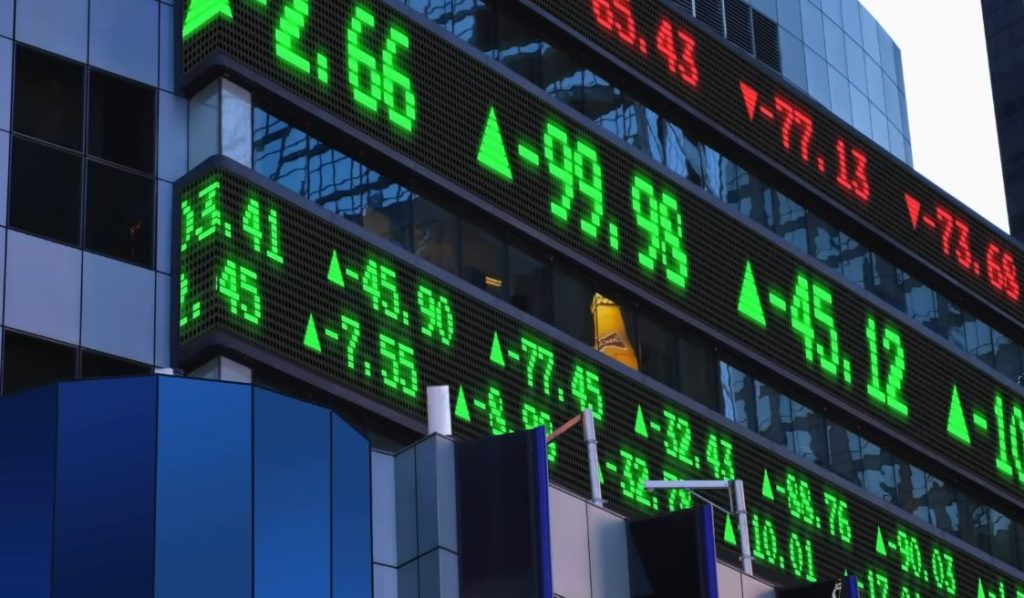
| Category | Details |
|---|---|
| Market | Global Private Credit (also called Private Debt / Direct Lending) |
| Market Size (2025 est.) | ~$3 trillion to $3.4 trillion AUM |
| Market Size Projection (2028) | ~$3.5 trillion — exceeding US high-yield + leveraged loan markets combined |
| Market Size Projection (2029) | ~$4.9 trillion (some estimates up to $5 trillion) |
| Dry Powder (late 2025) | ~$2 trillion in committed, undeployed capital |
| US Banks’ Exposure to Private Credit | ~$300 billion (Moody’s estimate) |
| Private Credit Borrowers with Negative Free Cash Flow | ~40% (2025) — up from 25% in 2021 |
| Blue Owl Stock Drop (YTD 2026) | ~40% |
| KKR / Apollo / Blackstone Stock Drop (YTD) | Down 20%+ each |
| Senior Direct Lending Loss Rate (since 2017) | 0.4% — vs. 1.1% leveraged loans, 2.4% high-yield bonds |
| Largest Firms in Space | Blackstone, Apollo, KKR, Blue Owl, Ares |
| Key Regulatory Concern | Opaque valuations, interconnectedness with banks, “covenant-lite” loans |
| Key Regulatory Framework | SEC-registered BDCs; Investment Advisers Act — but no comprehensive oversight |
| Reference Links | Morgan Stanley — Understanding Private Credit’s Rapid Growth / NPR — It’s Called Private Credit and It Could Lead to Big Trouble on Wall Street |
The $2 trillion in “dry powder”—committed investor capital raised but not yet used—that was in private credit funds as of late 2025 is less talked about. It’s worth stopping to consider that number. Because funds that sit on cash for too long face questions about performance and strategy from limited partners, managers who have raised money are implicitly under pressure to put it to use. When this pressure is high enough, underwriting standards are often impacted. Pricing compresses, covenants weaken, and the borrower gains negotiating leverage when all of the fund managers in the room attempt to deploy capital at once. There is growing evidence that this is precisely what has been occurring. According to a 2025 report, the percentage of private credit borrowers with negative free cash flow has increased from 25% in 2021 to about 40%. That is not a small deterioration. That represents a significant change in the borrower base’s creditworthiness at a time when businesses that took on floating-rate debt during the low-rate era are already being squeezed by high interest rates.
Early in 2026, the cracks became apparent in ways that were difficult to ignore. When two businesses supported by private lending firms filed for bankruptcy in the fall of 2025, JPMorgan CEO Jamie Dimon made what has come to be remembered during a conference call in October: “When you see one cockroach, there’s probably more.” Since then, more cockroaches have emerged. One of the biggest and most well-known brands in direct lending, Blue Owl, declared in February 2026 that it would sell $1.4 billion worth of assets in order to give investors their money back. The announcement was intended to provide comfort. It had the opposite effect. Since the beginning of the year, Blue Owl’s stock has decreased by about 40%. The stocks of KKR, Apollo, and Blackstone, all of which have substantial exposure to private credit, fell by more than 20%. There was more than one company affected by the panic. It dispersed throughout a class of assets.
The opacity is what distinguishes this specific anxiety from a typical credit cycle concern. Banks are governed establishments. Every quarter, their loan books are made public. Their lending practices are examined by examiners. Although SEC-registered Business Development Companies are subject to some reporting requirements, the larger ecosystem of private funds, separately managed accounts, and insurance-wrapped structures functions in a way that makes it genuinely difficult for regulators, let alone investors, to understand where the risks actually lie. Private credit firms are subject to far more lax disclosure requirements. The IMF has specifically called attention to the valuation issue: private credit assets are usually valued infrequently, and during times of market stress, those “stale” valuations can make portfolios appear healthier than they actually are for months before the real picture becomes apparent. This is a serious technical issue because it makes it difficult to map the relationships between stressed private credit portfolios and the larger financial system in real time.
Moody’s data shows that US banks have given private credit companies loans totaling about $300 billion. That figure is significant because it indicates that banks have only moved the risk one layer back rather than completely eliminating it. The banks that have funded a private credit company are exposed to their own credit risk if the company experiences investor redemptions and liquidity pressure. This secondary exposure was reflected in the KBW Nasdaq Bank Index’s decline of over 11% since the beginning of 2026, which was significantly greater than the S&P 500’s roughly 3% decline during the same period.
A framing that is worth clinging to was provided by Harvard Law professor Jared Ellias, who has written scholarly works on private credit. Unlike AIG or Lehman Brothers, private credit firms do not have the leverage profiles that cause instantaneous implosions, so a 2008-style systemic collapse is not the immediate concern. The more serious issue is slower and somewhat more damaging: if private credit is found to have funded a disproportionate number of businesses that lose the AI transition race, such as software companies that are abruptly disrupted or tech borrowers whose business models are being replaced, the ensuing losses could freeze a credit channel that mid-market companies actually rely on. According to Ellias, confidence is the key to financial stability. Additionally, once confidence is undermined in one area of a system, it tends to spread.
This article is not financial advice; it is merely meant to be informative. Prior to making any investment decisions, always seek the advice of a qualified financial advisor.



 Bitcoin
  Ethereum
  Tether
  BNB
BNB  USDC
USDC  XRP
XRP  Solana
  TRON
TRON  Lido Staked Ether
  Cardano
  Gram (prev. Toncoin)
  Avalanche