
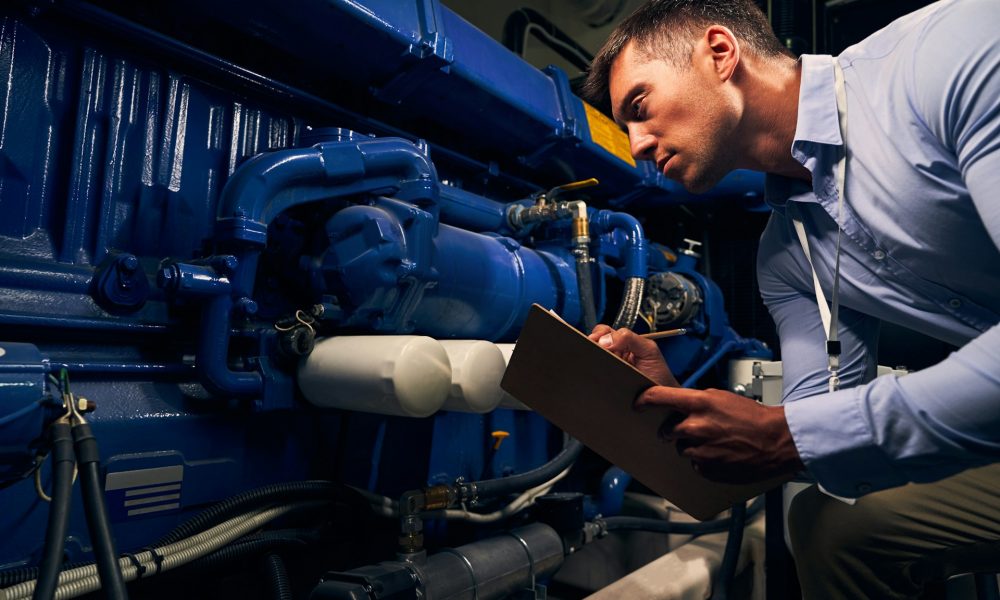
Diesel generators aren’t going anywhere in India. Not yet.
For decades, they’ve been the quiet infrastructure holding everything together — factories mid-shift, hospitals mid-surgery, housing societies mid-blackout. When the grid fails (and it does), DG sets pick up the slack. That’s just how Indian industry works.
But here’s the thing: the old way of running these generators is running out of road. Tighter emission rules, climbing diesel prices, and mounting pressure to clean up industrial air quality are forcing businesses into a decision. Replace everything? Wildly expensive. Do nothing? Not an option anymore.
That’s exactly the gap that RECD and dual fuel technology are filling — and why companies like Aceget Pvt Ltd are drawing serious attention.
The Problem Nobody Wanted to Talk About
Most older diesel generators were built before current emission standards existed. They pump out smoke particles, carbon monoxide, nitrogen oxides, hydrocarbons, and fine particulate matter at levels regulators are no longer willing to ignore.
Industrial zones, construction sites, commercial complexes, telecom towers — anywhere generators run heavily, air quality takes a hit. Government enforcement is catching up fast, especially in cities already battling pollution.
The catch? Buying a new generator isn’t the fix it sounds like.
A full replacement means capital outlay, installation downtime, electrical modifications, new exhaust infrastructure, space planning, disposal costs. For a hospital or factory running a generator that still works fine, that’s a hard sell — financially and logistically.
What a Retrofit Actually Does
Retrofit Emission Control Devices (REDCs) install directly into an existing DG set’s exhaust system. No new generator. No major overhaul. The unit upgrades what’s already there.
Aceget’s RECD systems use a combination of Diesel Oxidation Catalysts (DOC), Diesel Particulate Filters (DPF), automatic regeneration systems, and smart monitoring — all housed in stainless steel structures with automated control panels. They’re built for the reality of Indian operating conditions: long hours, harsh environments, and minimal downtime tolerance.
Their clients span manufacturing, hospitals, IT parks, residential societies, telecom infrastructure, and commercial buildings. Different load patterns, different operating demands — so Aceget designs solutions around the specific setup rather than applying a one-size template.
Installation matters more than most people realize, too. A poorly fitted RECD increases back pressure, hurts generator performance, and creates compliance headaches. Aceget handles full-cycle support: assessment, custom design, professional commissioning, and ongoing maintenance. That end-to-end approach is what wins over industries without in-house emission expertise.
Cutting Fuel Costs at the Same Time
Emission compliance is one problem. Diesel prices are another.
Generators running eight to twelve hours daily burn through fuel fast. Those costs compound. That’s where Aceget’s Dual Fuel Kit solutions come in — and why they’re picking up traction alongside RECD and dual fuel technology adoption.
A dual fuel kit lets a generator run on a blend of diesel and a gaseous alternative: CNG, PNG, LPG, or biogas. The system manages fuel mixing and combustion automatically, maintaining performance while cutting diesel dependency.
The benefits stack up quickly. Lower fuel bills, cleaner combustion, less carbon buildup inside the engine, and a reduced environmental footprint — without swapping out infrastructure. For high-usage operations, the return on investment comes through faster than most expect.
Better Together
Here’s where it gets interesting: the real shift happening across Indian industries isn’t choosing between RECD or dual fuel. It’s running both.
The RECD handles exhaust emissions at the output end. The dual fuel kit improves combustion quality at the input end. Together, they attack the problem from both directions — less pollution, less diesel spend, longer engine life, and cleaner compliance numbers.
For sectors where power interruptions aren’t tolerable, this combination delivers something rare: an environmental upgrade that also makes financial sense.
Why Aceget Is Gaining Ground
Demand for emission control tech is rising, but industries aren’t just buying the cheapest option. They’re looking for partners who understand real operating conditions, not just theoretical specs.
Aceget’s angle is practical. They’re not pushing businesses to scrap functional equipment. They’re helping them upgrade it intelligently — with systems built for Indian industrial realities and backed by support that doesn’t disappear after installation.
The diesel generator isn’t going away anytime soon. India’s backup power needs are too big, and the grid too inconsistent, for that to happen fast. But the way those generators operate? That’s changing. And the companies building the bridge between legacy infrastructure and cleaner standards are the ones worth watching.



 Bitcoin
  Ethereum
  Tether
  BNB
BNB  XRP
XRP  USDC
USDC  Solana
  TRON
TRON  Lido Staked Ether
  Cardano
  Toncoin
  Avalanche