
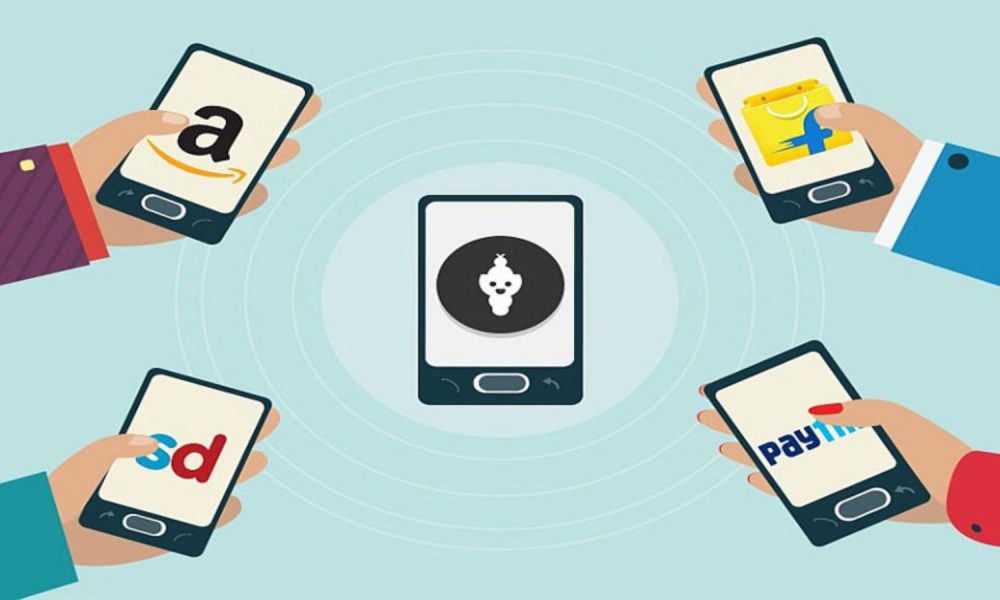
Most people don’t think twice about typing their card number into a checkout form. They probably should.
That’s exactly why Buy VCC services and Linkable Card solutions have taken off — they let you pay online without handing over your real banking details every time. Freelancers, digital marketers, and everyday shoppers are increasingly reaching for virtual cards instead of traditional ones, and it’s not exactly a stretch to see why.
Here’s the thing: the shift toward digital payments isn’t slowing down. Online subscriptions, ad spend, and e-commerce tools all rely on card payments. Virtual cards slot right into that world.
What Actually Is a Virtual Credit Card?
Simple version: it’s a card that exists only online. No plastic, no waiting for something in the mail.
When you Buy VCC access through a provider, you get a card number, expiry date, and CVV — everything you need to pay on any site that accepts card payments. Use it for a subscription. Run an ad campaign. Pay for software. The merchant sees card details; your actual bank account stays one step removed.
A Linkable Card goes a step further. Instead of using one card for one thing, you connect it across multiple platforms. One card, many services. Payments process automatically once it’s linked — no re-entering details every month.
Who’s Actually Using These?
Quite a few people, across very different situations.
Freelancers pay for design tools and project management software without mixing business and personal accounts. Digital marketing agencies run separate virtual cards for each ad account — cleaner tracking, less risk if something gets flagged. E-commerce sellers cover supplier payments and platform fees. Regular users just want Netflix and Spotify handled without touching their main card.
The common thread? Control. People want to manage where their payment details end up, and virtual cards give them that.
Why a Linkable Card Changes the Game
Managing five different subscriptions across five platforms used to mean five sets of card details to update every time something expired. Annoying at best, a payment failure at worst.
A Linkable Card solves that. Connect it once, and payments flow automatically. It also makes tracking spending easier — everything tied to one card means one clean transaction history to review.
For businesses handling multiple clients or campaigns, that visibility matters. Budgets stay cleaner. Billing stays organized.
The Risks — Because There Are Some
Not every virtual card provider is worth trusting. That’s worth saying plainly.
Unreliable providers can mean failed payments, frozen funds, or cards that simply aren’t accepted where you need them. Some services have spotty acceptance rates on certain ad platforms or merchant sites.
Before committing to any provider, check their fee structure, card validity windows, and what happens if a transaction fails. Customer support quality matters too — if something goes wrong at a critical moment, you want someone actually available to fix it.
The tool is only as good as the provider behind it.
Where This Is All Heading
Virtual payment cards aren’t a niche workaround anymore. They’re becoming standard infrastructure for anyone operating online — whether that’s a solo freelancer or a mid-sized marketing team.
AI-driven fraud detection and faster verification systems are already improving the reliability of these services. The direction is clear: more security, more automation, more acceptance.
Choosing to Buy VCC services now means getting ahead of a payment method that’s quickly becoming default, not alternative.
The question isn’t really whether virtual cards are worth using. It’s which provider is actually worth trusting.



 Bitcoin
  Ethereum
  Tether
  BNB
BNB  USDC
USDC  XRP
XRP  Solana
  TRON
TRON  Lido Staked Ether
  Cardano
  Gram (prev. Toncoin)
  Avalanche