
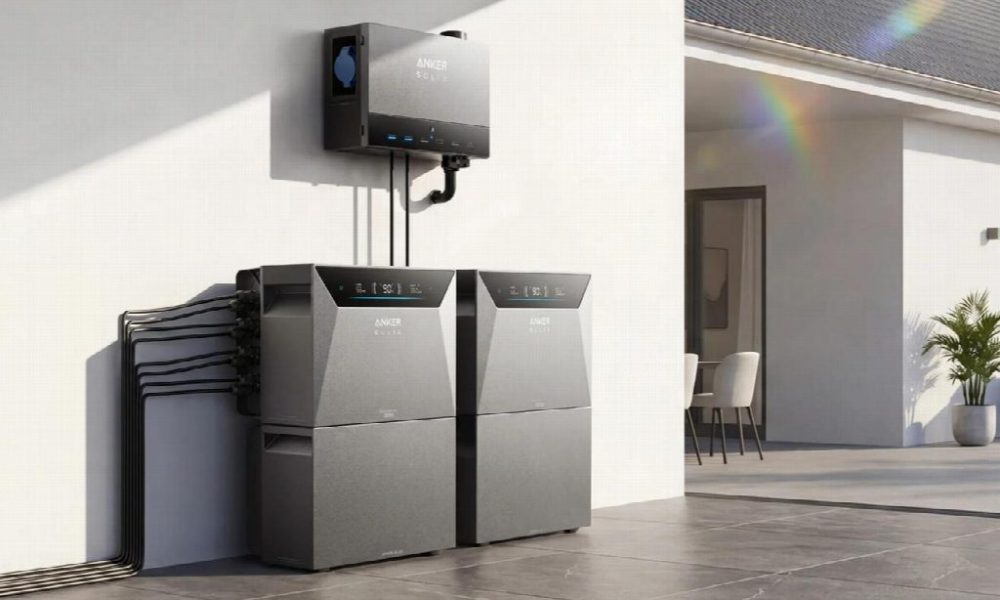
Choosing the right plug in solar system starts with a simple question: how much of your daytime electricity do you want to cover? For most UK homes, the correct size depends on daily energy use, available roof or garden space, and how much direct sunlight your panels receive. A smaller setup can offset base loads such as broadband, fridge use and device charging, while a larger system can support heavier daytime demand and store spare energy for later. If you want strong output with room to expand, it helps to size the panels, inverter and battery together rather than treating them as separate decisions from the start.
What Determines the Right Plug In Solar Size?
Check Your Daily Electricity Consumption
Start with your electricity bill or smart meter app and look at how much power you use during daylight hours. That figure matters more than total annual consumption when sizing a plug in solar system, because these systems work best when they cover live demand first. Many households have a steady daytime base load from refrigeration, Wi-Fi, standby appliances, computers and lighting. Others also run washing machines, dishwashers or work-from-home equipment in the middle of the day. If your daytime use is modest, a smaller system may be enough to cut imported electricity. If you regularly consume more power while the sun is out, choose a larger setup that can supply more of that demand and reduce waste.
Consider Sunlight, Space and Panel Placement
Panel size alone does not determine real-world output. In the UK, solar generation changes with season, roof direction and shading, so placement matters almost as much as capacity. South-facing panels usually deliver the strongest performance, while east- and west-facing arrays can still work well by spreading generation across the day. Measure how many panels you can fit safely on your roof, balcony, wall or ground-mounted frame, and check for chimneys, trees or nearby buildings that cast shade. A compact area limits how large your system can be, even if your electricity use is high. Good airflow, correct tilt and minimal obstruction help panels perform better, making a carefully placed smaller system more useful than a poorly positioned larger one.
Which Plug In Solar System Size Fits Your Home?
Small Systems for Lower Daytime Energy Use
A small plug in solar system suits homes that mainly want to cover background electricity use during the day. This can include flats, smaller households, or anyone with limited panel space. A compact setup is often enough to support devices that run continuously, such as routers, fridges, chargers and home office equipment. It can also be a practical first step if you want lower upfront cost and a simpler installation approach. For households with modest daytime demand, the goal is not to run everything at once, but to trim grid imports steadily. That makes smaller systems a sensible match for predictable, low-to-moderate daytime consumption patterns.
Larger Systems for Higher Daytime Demand
A larger plug in solar system is a better fit if your home uses more electricity while the sun is up. This includes households running multiple appliances, regular daytime laundry, cooking, electric heating support or EV charging. If you have enough space for more panels, a higher-capacity setup can offset a much bigger share of imported power. The Anker SOLIX Solarbank 4 E5000 Pro is designed for this kind of use, with 800W on-grid output, 2,500W off-grid output, four MPPT controllers and support for 4 to 12 solar panels. It offers up to 5,000W MPPT capability and annual generation up to 5,586 kWh, giving larger homes far more usable solar across the year.
How to Size Solar Panels, Inverter and Battery
Match Panel Capacity With Inverter Output
When sizing a plug in solar system, treat the panels and inverter as a matched pair. The panels determine how much solar energy you can harvest, while the inverter limits how much can be supplied to your home on-grid at any one time. For example, an 800W plug in output is often suitable for covering steady daytime demand, but you may want more panel capacity behind it so the system can reach that output more often in changing UK weather. Extra panel wattage can improve performance in the morning, winter and cloudy conditions. The aim is not just peak generation on perfect days, but consistent useful output across typical conditions, so avoid undersizing panels relative to the inverter’s practical role.
Add Battery Capacity for Unused Solar Power
Battery storage makes a bigger system more useful because it captures surplus generation instead of letting it go unused. If your panels often produce more than your home needs at midday, adding storage allows you to use that energy later in the evening or during a power cut, depending on system capability. Choose battery size based on how much excess solar you expect and how long you want to shift energy into non-solar hours. Expandable storage is especially useful if your energy needs may grow. The Anker SOLIX Solarbank 4 E5000 Pro expands from 5 kWh to 30 kWh, supports 2,500W bidirectional charging, works with Smart Meter Gen 2 for zero-waste management, and uses Anker Intelligence™ to help control energy more efficiently.
The right plug in solar system size is the one that matches your daytime electricity use, your available panel space and your plans for battery storage. For lower daytime demand, a smaller setup can cover essential background loads and reduce bills without taking up much room. For higher demand, more panels and an appropriately sized inverter can make a clear difference, especially when paired with expandable storage. If you want a system with room to grow, the Anker SOLIX Solarbank 4 E5000 Pro combines flexible battery capacity, smart energy control and broad compatibility with 870+ electricity suppliers. With potential savings of up to £770 per year and an estimated 3.3-year payback period, sizing correctly can deliver strong long-term value.


 Bitcoin
  Ethereum
  Tether
  BNB
BNB  USDC
USDC  XRP
XRP  Solana
  TRON
TRON  Lido Staked Ether
  Cardano
  Gram (prev. Toncoin)
  Avalanche