Bitcoin
  Ethereum
  Tether
  BNB
BNB  USDC
USDC  XRP
XRP  Solana
  TRON
TRON  Lido Staked Ether
  Cardano
  Gram (prev. Toncoin)
  Avalanche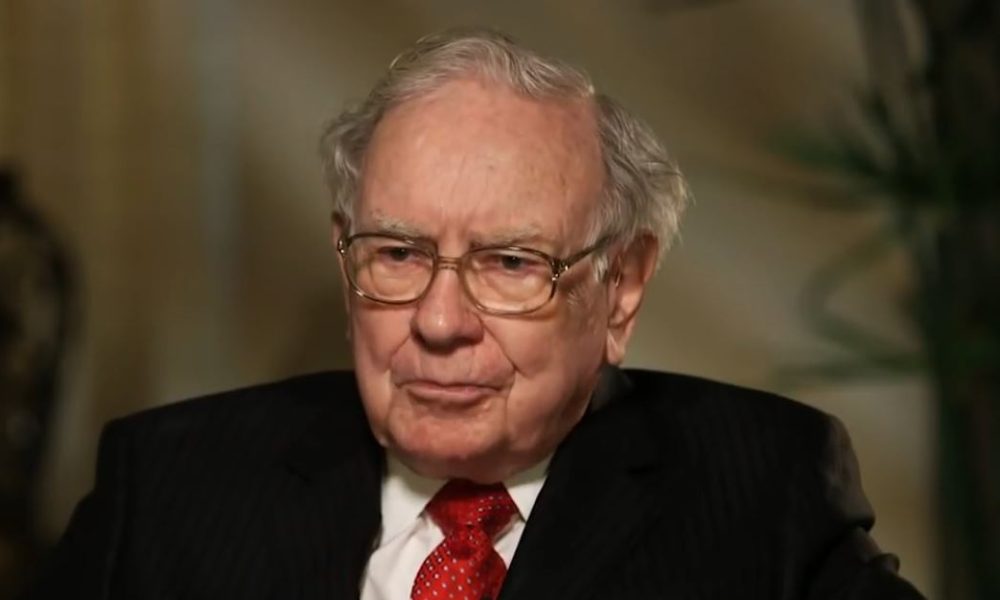
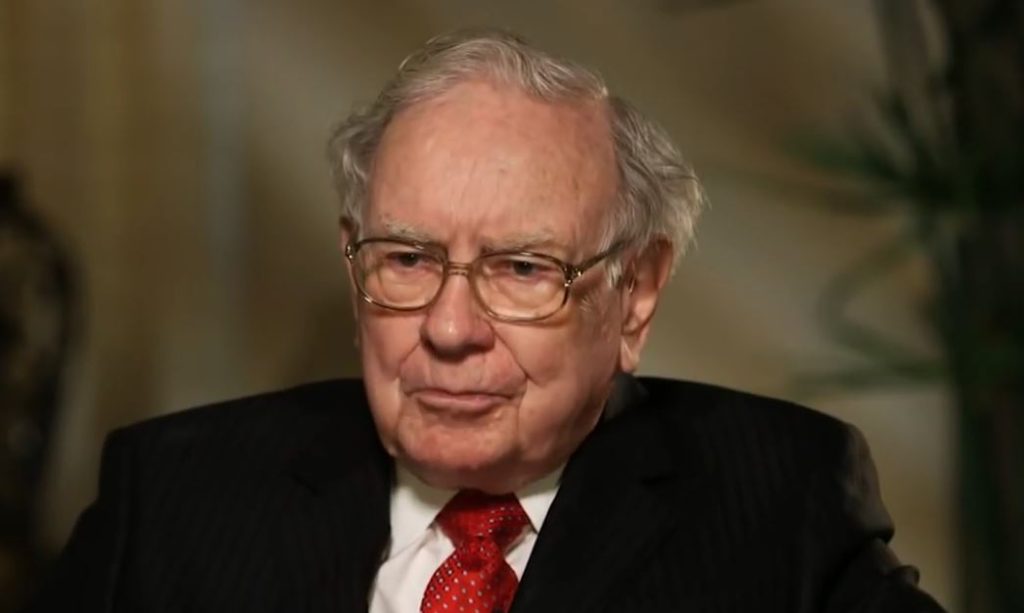
Warren Buffett was known for avoiding tech firms that he didn’t fully understand for many years. He famously admitted that it was a mistake after passing on Google multiple times. Investors were shocked to learn that Berkshire Hathaway now owns approximately 106 million shares of Alphabet, valued at approximately $37.8 billion, according to the company’s Q2 2026 13F filing. This was no small exploratory role. It was a call for conviction.
In the third quarter of 2025, Buffett began to increase his ownership of Alphabet by discreetly acquiring roughly 17.85 million shares. Early in 2026, the position continued to grow, and by summer, it had significantly increased. The largest increase was caused by Alphabet’s June $10 billion private placement, which raised about $85 billion for its AI infrastructure. Among the participants was Berkshire, which purchased a portion at a 6.5% discount. Open market purchases accounted for the remaining approximately $7 billion.
When asked who came up with the idea, Buffett was straightforward. “I initiated it,” he said to CNBC. Greg Abel, who became CEO in January 2026, he continued, now has the last word on capital allocation. “We talk all the time, but he is the decider.” It’s a subtle but significant difference. It wasn’t just Buffett acting on his own. It’s a collaboration, a shift in leadership that is still finding its rhythm.
Speaking from a Berkshire manufacturing facility in Japan, Abel explained how the $10 billion placement came to be. A phone call on Sunday morning. Alphabet made an offer. A brief discussion with Buffett. A choice made in a matter of hours. Longtime Berkshire watchers might have been taken aback by that level of speed because the company used to have almost $350 billion in cash and appeared to be content to wait. However, it seems that the AI wave has quickly focused minds.
It’s easy to understand the reasoning behind the trade. Search continues to produce a significant amount of revenue. Nearly 2.7 billion people use YouTube. Additionally, Google Cloud is no longer an afterthought but rather a serious business. Both Buffett and Abel have stated that they believe AI will have a “significant impact on America and businesses.” They believe that Alphabet is at the center of that change, not as a speculative venture but rather as a business with actual infrastructure, actual revenue, and a competitive position that has proven hard to overcome.
Nevertheless, it’s important to note that some skepticism has already been raised about the position. The stock’s trajectory through 2025 and into 2026 has been erratic, and Alphabet’s returns have somewhat softened. Whether Berkshire paid up too aggressively or whether a business the size of Alphabet can maintain the growth rates investors are pricing in are legitimate concerns. Buffett has previously deviated from his own rules; Apple was once thought to be an odd choice for Berkshire, and those wagers have typically paid off.
After Apple at about $70 billion and American Express at about $52 billion, Alphabet is currently Berkshire’s third-largest equity holding. It has already overtaken Coca-Cola, which Berkshire has held for many years and is practically regarded as a family heirloom. That in and of itself demonstrates how seriously Berkshire is approaching this deal.
The potential growth of the position is still unknown. According to Abel, the true bottleneck for AI infrastructure could be the energy supply rather than capital. In Iowa, Berkshire Hathaway Energy already operates utilities and has established connections with data centers. As an equity investor in Alphabet and a possible energy supplier to the hyperscalers constructing the data centers that AI runs on, it appears that Berkshire is attempting to profit from the AI buildout on several fronts at once.
The Warren Buffett Alphabet stock transaction is undoubtedly significant. It’s a declaration. One that implies Berkshire is still capable of making significant, audacious decisions and is prepared to invest significant capital in them, even in its post-Buffett chapter.