
Copper had been acting like a momentum stock for the majority of early September 2026, which is something that markets hardly ever witness. Futures had reached an all-time high of $6.89 per pound. Metal shipped in from abroad was filling warehouses along the U.S. Gulf Coast. The biggest American producer of copper, Freeport-McMoRan, has quietly increased by about 40% so far this year. For a moment, it seemed as though nothing could stop it.
A Reuters report followed. On the morning of September 10, word leaked out that the White House had not yet decided on import tariffs for refined copper. According to the report, officials were still considering whether the advantages for domestic mining outweighed the possibility of raising manufacturing costs nationwide. In a matter of hours, weeks’ worth of purchases were undone by that one piece of news—no announcement, no policy reversal, just hesitation.
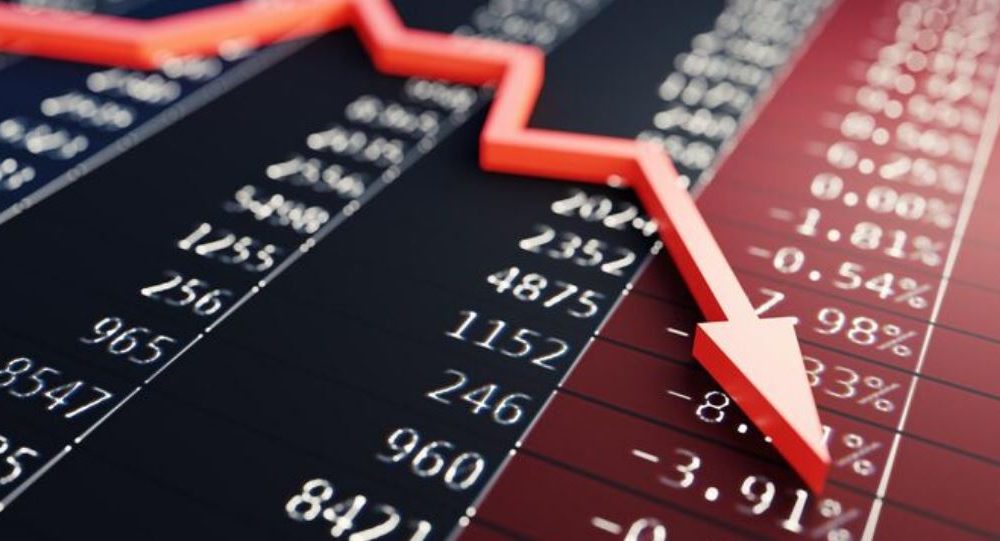
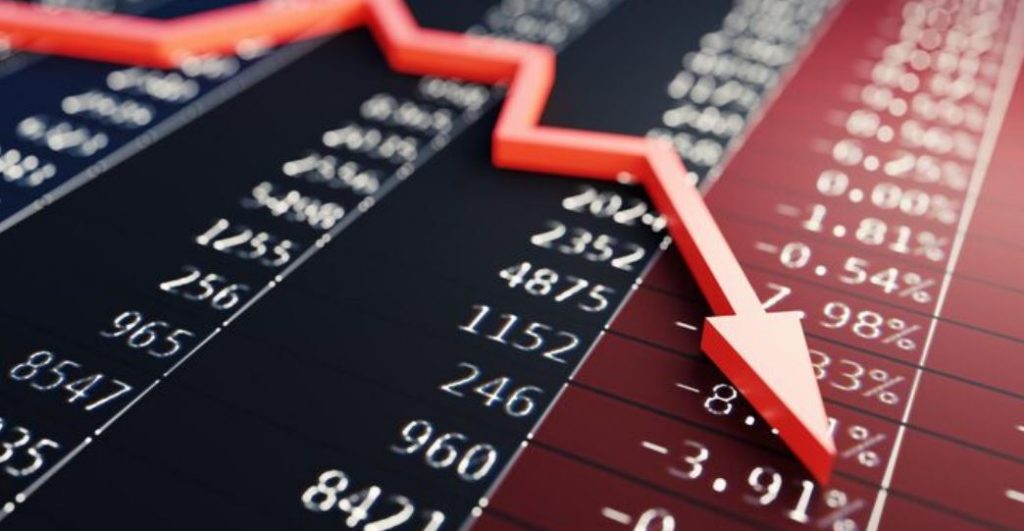
By early Thursday trading, Freeport-McMoRan had dropped by almost 8% to $70.43. Southern Copper saw a 7% decline. Teck Resources saw a 7% decline. The Global X Copper Miners ETF experienced a similar decline. The S&P 500 as a whole saw a mere 0.6% decline. There was no market selloff. It was a sharp, concentrated selloff of copper.
Tariffs seem to have been priced in by the market as a near-certainty. In an attempt to generate a domestic scarcity premium, traders had spent weeks transporting hundreds of thousands of metric tons of refined copper into U.S. warehouses. Up until it didn’t, that wager was successful. The premium vanished almost immediately as soon as doubt appeared. Before the afternoon session ended, LME three-month copper fell more than 3% from its earlier Thursday morning peak of $14,875 per metric ton. COMEX copper futures dropped more than 4%.
It’s worth stopping to consider how quickly this occurred. Over the course of days, the metal did not move lower. It went from a record high to a significant decline in just one trading session. Such a reversal typically indicates that a single thesis, rather than a broad fundamental demand, was holding the previous rally together. The rally seemed to have outpaced what fundamentals could reasonably support given the increased policy uncertainty, according to analysts at BMI, a division of Fitch Solutions.
The circumstances of Freeport-McMoRan are complicated in their own right. At its Grasberg mine in Indonesia, where a mudslide in September 2025 kept production below normal capacity well into the second half of 2026, the company is already dealing with lower output. When copper prices are rising, it has been simple to ignore that operational drag.
When prices reverse and investors begin reevaluating margins, it becomes more difficult to ignore. The price target set by analyst consensus was approximately $72 per share, which is almost exactly where the stock was trading following the decline. This gives some indication of how far the recent rally had pushed the stock above what the majority of fundamental models predicted.
Additionally, copper was being negatively impacted by more general macro pressures that day. Yields on Treasury bonds were increasing. The value of the dollar was rising. TIPS yields adjusted for inflation were rising. Commodities that don’t produce yield on their own are often affected by all of those factors. After five consecutive sessions of gains, copper may have already been due for a cooling-off period even in the absence of the tariff uncertainty.
Whether the White House eventually declares a clear tariff policy and whether the impending U.S. inflation data opens or closes the door for Federal Reserve rate cuts will likely determine what happens next. The rate environment becomes more unfavorable for metals if inflation picks up speed again. In retrospect, some of Thursday’s losses might appear transient if tariff clarity reappears and demand signals from AI infrastructure and energy transition projects hold steady. It’s still too early to make a call.
For 2026, copper is still up about 15%. Despite the decline, Freeport-McMoRan is still up 40% so far this year. Although the story is far from over, the conclusion served as a reminder that commodity rallies based on policy expectations can end just as quickly as they begin. The week began with record highs and breathless momentum.


 Bitcoin
  Ethereum
  Tether
  BNB
BNB  USDC
USDC  XRP
XRP  Solana
  TRON
TRON  Lido Staked Ether
  Cardano
  Gram (prev. Toncoin)
  Avalanche