
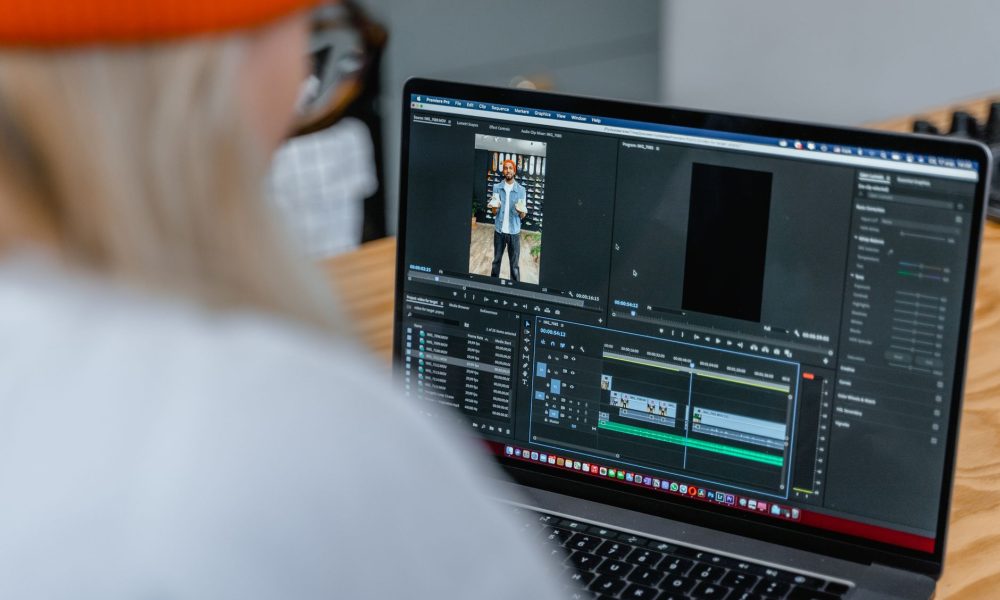
Every day, millions of people scroll past countless posts, ads, and articles without a second glance. Capturing genuine attention has become one of the hardest challenges for creators, brands, and businesses. Yet one format continues to outperform the rest when it comes to engagement: video. It stops the scroll, holds attention longer, and delivers messages in a way that text simply cannot match.
This is precisely why so many creators and companies are turning to a dependable video maker to bring their ideas to life. Instead of relying on costly production teams or complicated software, users can now assemble high-quality videos using accessible, user-friendly platforms built for speed and simplicity. What once took days of editing can now be completed in an afternoon, without sacrificing visual polish or professionalism.
The Shift Toward Visual Communication
Written content still holds value, but audiences increasingly favor formats that combine sound, motion, and imagery. Video communicates emotion and context faster than paragraphs of text ever could. A short clip can demonstrate a product feature, explain a complex idea, or tell a brand story in under a minute—something that might take several hundred words to accomplish in writing. This is why platforms like YouTube, TikTok, and Instagram Reels have become central to how information spreads online, and why organizations of every size are investing in video-first strategies.
What Makes a Good Video Creation Platform
A strong video editing tool should reduce friction, not add to it. The best platforms typically offer:
Intuitive Editing Tools: Timeline-based editors with drag-and-drop functionality let users trim clips, layer audio, and add effects without a steep learning curve.
Pre-Designed Templates: Ready-to-use layouts for common formats—advertisements, tutorials, testimonials, and social posts—help creators skip the blank-page problem and start producing immediately.
Text and Caption Tools: Since a large percentage of videos are watched with the sound off, built-in captioning and text overlay features are essential for accessibility and engagement.
Asset Libraries: Access to stock footage, music tracks, and graphic elements removes the need to search multiple external sources, saving both time and money.
Multi-Format Exporting: The ability to output videos tailored to different platforms—vertical for stories, square for feeds, widescreen for YouTube—ensures content looks its best wherever it’s published.
Real-World Use Cases
The practical applications of video editing software span nearly every industry. Retail brands use short promotional clips to showcase products and drive online sales. Nonprofit organizations create emotional storytelling videos to support fundraising campaigns. Corporate teams produce training modules that are more engaging and easier to retain than static slide decks. Independent creators build entire careers by consistently publishing content that resonates with niche audiences.
Educators, too, have embraced video as a teaching tool. Whether recording lecture summaries, creating explainer videos, or producing recap content for students, teachers now have the means to make learning materials more dynamic and accessible than traditional handouts.
Making the Right Choice
With so many options available, selecting the right platform requires some thought. Casual users may prioritize simplicity, speed, and an extensive template library, while professionals might need more advanced controls—multi-track editing, precise color correction, or motion graphics capabilities. Cost is another factor, since many services offer free versions with limited features alongside paid tiers that unlock premium tools and higher-resolution exports.
Teams working collaboratively should also consider whether a platform supports shared projects and real-time editing, which can dramatically improve turnaround times for organizations producing content regularly.
The Role of Automation and AI
Recent advancements in artificial intelligence have pushed video editing even further into accessibility. Features like automatic subtitle generation, scene recognition, voice cloning, and AI-assisted script-to-video conversion are reshaping what’s possible for non-professional editors. These innovations mean that even users with no prior editing experience can now produce content that looks and feels professionally made.
Final Thoughts
As digital audiences continue to gravitate toward video, the tools used to create it have never been more important—or more accessible. A capable video maker gives individuals and businesses the ability to compete in a visually driven marketplace, transforming raw ideas into polished, shareable content without requiring years of technical training. For anyone serious about growing their audience or strengthening their brand presence, investing time in the right video creation tool is no longer optional; it’s essential.


 Bitcoin
  Ethereum
  Tether
  BNB
BNB  USDC
USDC  XRP
XRP  Solana
  TRON
TRON  Lido Staked Ether
  Cardano
  Gram (prev. Toncoin)
  Avalanche