
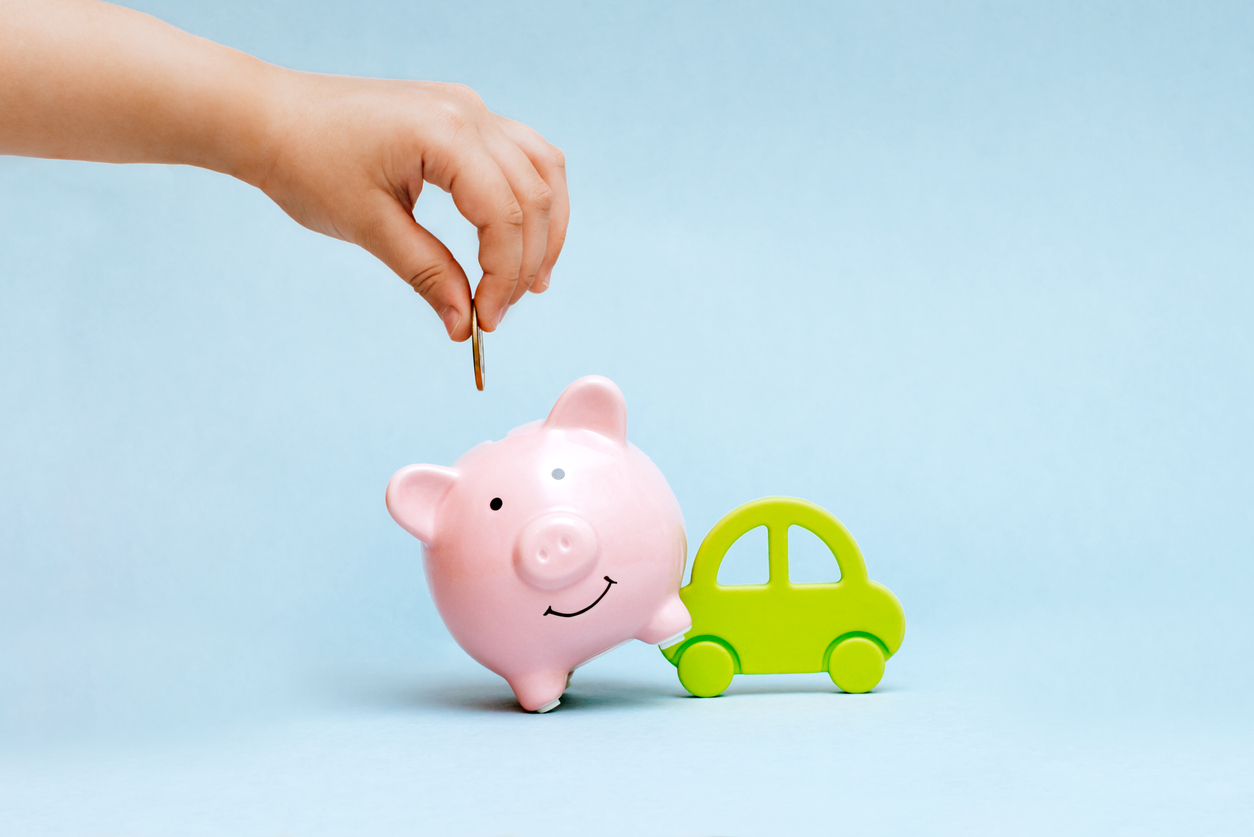

Choosing how to fund your next car can feel just as important as picking the make and model. A brand-new vehicle can look tempting on the forecourt, but the right payment method can shape how affordable that excitement feels once you drive away.
Your circumstances and how often you tend to change cars all play a role. When you understand how each option works in real life, it becomes easier to weigh up the costs and protect your financial comfort.
Paying outright
Using your savings to buy a car offers a clear advantage: the vehicle becomes yours immediately, without a lender involved. You avoid interest entirely, which keeps the overall cost down. You also skip paperwork and long-term commitments. If you later decide to sell the car, any money you receive goes straight back into your pocket.
This route suits you best when parting with the cash won’t weaken your emergency funds. For example, if buying a car with savings leaves you unable to cover an unexpected repair at home, financing may feel safer.
Some buyers choose to spread the cost even when they have funds available, because they want to keep cash on hand for holidays, household projects or the reassurance of a financial buffer. Consider how you’ll feel if that safety net disappears, and balance peace of mind against savings on interest.
Personal loan
A personal loan allows you to borrow a fixed amount and repay it over an agreed term, often between one and five years. Monthly payments stay the same, so you can budget with confidence. As you own the car from day one, you can sell or part-exchange whenever your situation changes, but you will still be paying off your loan or use the money made in the sale to pay it off. This flexibility makes loans appealing if you dislike being tied to one vehicle.
However, you need to feel certain that repayments fit comfortably within your income today and in the future. Lenders assess credit history carefully, and interest rates increase when they see greater risk, which is why some people consider options like bad credit car finance through specialist providers to secure the car they need. Compare rates and calculate the total cost before committing, because even a small difference in interest can add up over several years.
Hire Purchase (HP)
With Hire Purchase, you usually pay a deposit of around 10% and then make monthly instalments until you complete the agreement. The finance is secured against the car, so the lender owns the vehicle until the final payment clears. Once the contract ends, the car becomes yours outright.
HP can suit you if you want eventual ownership and don’t mind slightly higher monthly payments than PCP. Because the loan connects directly to the vehicle, lenders may accept applications that a bank might decline, which helps some buyers get on the road. The drawback is reduced freedom early in the agreement. If you decide to switch cars or sell, you must settle the finance first, which might not feel convenient.
Personal Contract Purchase (PCP)
PCP breaks the cost into three parts: a deposit, lower monthly payments than HP, and a large optional final sum called a balloon payment. At the end, you choose what happens next. You can pay the balloon to keep the car, return the keys and walk away, or begin another PCP agreement with a newer model.
This structure appeals if you enjoy changing cars frequently or want manageable monthly costs. For example, a family might plan to upgrade as children grow, so predictable short-term payments work well. The trade-off comes later. If you cannot or choose not to pay the balloon amount, you won’t keep the car.
Taking time to compare these options gives you control. Think about how long you want to keep the car, how much flexibility matters, and what fits your budget comfortably. When the finance supports your lifestyle, driving feels far more enjoyable.



 Bitcoin
  Ethereum
  Tether
  BNB
BNB  XRP
XRP  USDC
USDC  Solana
  TRON
TRON  Lido Staked Ether
  Cardano
  Avalanche
  Toncoin