
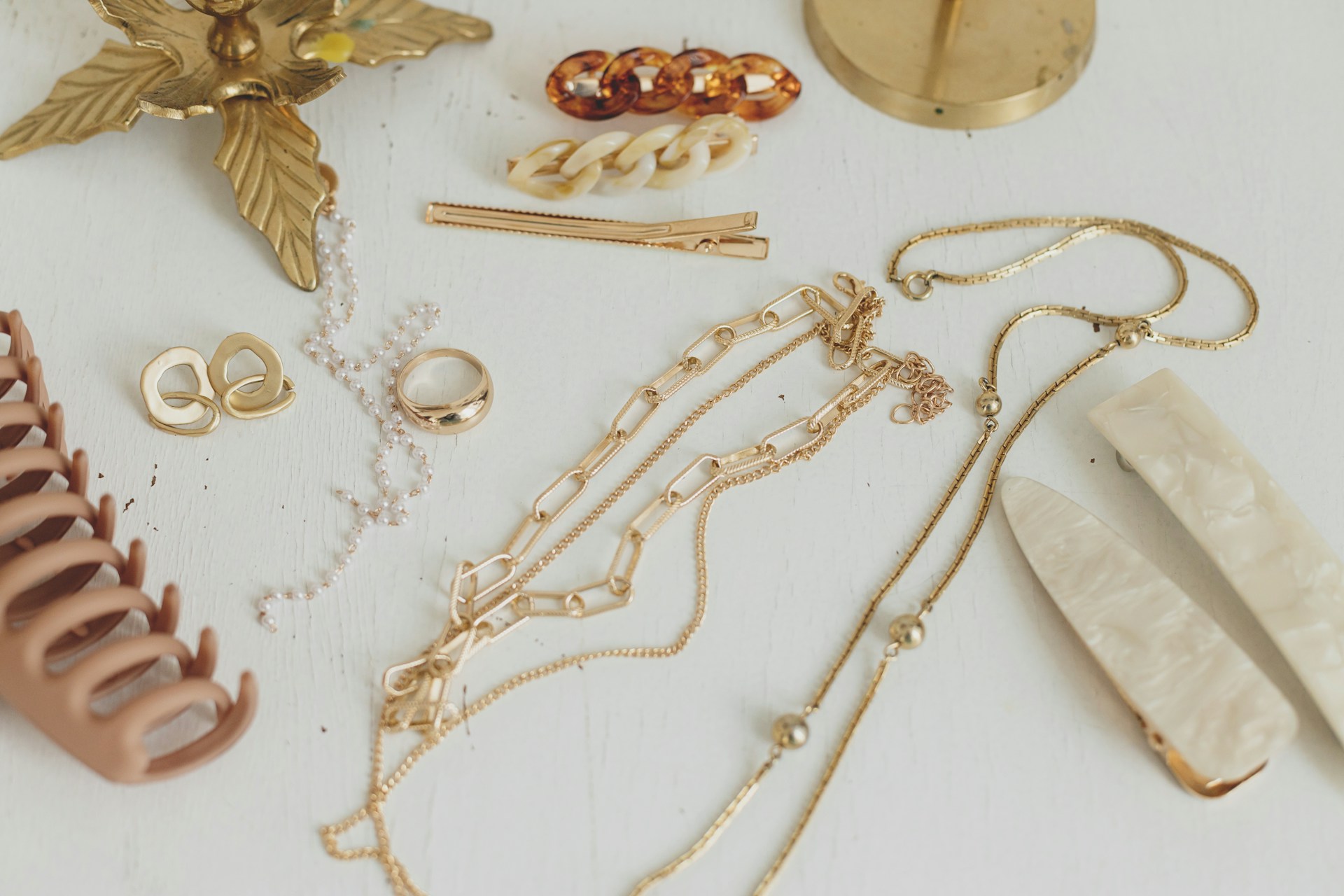
Most people have a drawer somewhere filled with jewellery they no longer wear. Old chains with broken clasps. Earrings missing their pairs. Rings that no longer fit. What many don’t realize is that these forgotten pieces might hold significant value based on their precious metal content alone.
The UK has one of the world’s most rigorous systems for marking and guaranteeing precious metals. Learning to read these marks can help you understand what you own and make informed decisions about selling or keeping family heirlooms.
British hallmarks represent over 700 years of consumer protection. Gold Standard Auctions works with items bearing these marks daily, helping clients discover the true worth of pieces they assumed were costume jewellery. The difference between 9 carat and 18 carat gold can mean hundreds of pounds in value for a single item.
What British Hallmarks Actually Tell You
A complete British hallmark contains up to five distinct marks stamped into the metal. Each one serves a specific purpose in identifying and guaranteeing the item.
The sponsor’s mark identifies the manufacturer or dealer who sent the item for hallmarking. This mark appears as initials inside a shield shape. The style of shield can indicate the era when the piece was made.
The fineness mark shows the purity of the precious metal. For gold, you’ll see numbers like 375 (9 carat), 585 (14 carat), or 750 (18 carat). These numbers represent parts per thousand. An 18 carat gold ring contains 750 parts gold and 250 parts other metals.
The assay office mark tells you which of Britain’s four assay offices tested and marked the item. London uses a leopard’s head. Birmingham shows an anchor. Sheffield uses a rose (or previously, a crown). Edinburgh displays a castle. Each office has operated for centuries, with London’s dating back to 1300.
The date letter indicates the year of hallmarking through a rotating system of alphabet styles and shield shapes. Reading date letters requires reference charts because each assay office used different systems. A piece marked in London in 1950 will have a different date letter than one marked in Birmingham the same year.
The standard mark appears as a crown for gold, an orb for platinum, or a lion for sterling silver. This symbol provides quick visual confirmation of the metal type.
How Gold Purity Affects Value
The carat system measures gold purity in 24ths. Pure gold is 24 carat, but it’s too soft for most jewellery. Jewellers alloy gold with other metals to increase durability while maintaining precious metal content.
Nine carat gold contains 37.5% pure gold. This is the minimum standard for hallmarking in the UK. You’ll find 9 carat gold in many high street jewellery pieces because it offers affordability while still qualifying as real gold.
Fourteen carat gold contains 58.5% pure gold. This purity level is common in American jewellery but less prevalent in Britain. The UK traditionally favoured 9 and 18 carat standards.
Eighteen carat gold contains 75% pure gold. This higher purity creates richer colour and greater value. Many engagement rings and quality jewellery pieces use 18 carat gold for its balance of beauty and wearability.
Twenty-two carat gold contains 91.6% pure gold. Asian jewellery often uses this purity level. The metal has distinctive deep yellow colour but bends easily, making it unsuitable for items with fine details or settings with gemstones.
The difference in value between these purities is substantial. An 18 carat gold necklace weighing 10 grams contains 7.5 grams of pure gold. The same weight in 9 carat contains just 3.75 grams. At £50 per gram of pure gold, that’s a £187.50 difference in melt value alone.
Reading Hallmarks on Different Items
Finding hallmarks requires knowing where to look. The location varies by item type, and some pieces challenge even experienced dealers.
Rings typically carry hallmarks on the inside of the band. You might need a jeweller’s loupe to read smaller marks, especially on thin bands. Wedding bands often have worn hallmarks from years of daily wear.
Chains show hallmarks near the clasp. Some chains have marks on the clasp itself, while others stamp them into a small tag attached to the chain. Delicate chains might have miniature hallmarks that require magnification.
Bracelets usually carry marks on the underside of the clasp or on a small plate near the fastening. Tennis bracelets and other articulated pieces might have marks on the tongue of the box clasp.
Earrings present the biggest challenge. Studs might have tiny marks on the post or butterfly back. Drop earrings often show marks on the finding (the part that goes through your ear) or on the back of the decorative element.
Brooches typically display hallmarks on the back of the frame or on the pin mechanism. Larger pieces might have multiple marks in different locations.
When Jewellery Lacks Proper Marks
Not all gold jewellery carries British hallmarks. Several situations create unmarked but genuine pieces.
Foreign jewellery follows different marking systems. American gold uses karat stamps (10K, 14K, 18K) without the detailed hallmarking required in Britain. European pieces might show decimal numbers indicating purity without additional marks.
Antique jewellery predating mandatory hallmarking might be unmarked. Before 1854, gold items under a certain weight didn’t require hallmarks. Many Georgian and early Victorian pieces have no marks despite being valuable antiques.
Repaired jewellery can lose original marks. When jewellers resize rings or repair chains, they sometimes remove the section containing hallmarks. Professional repairs should include new hallmarking, but not all jewellers follow this requirement.
Small items under specific weight thresholds don’t require hallmarks. The UK allows exemptions for tiny pieces where marking would damage the item. This includes some earring findings and delicate chain links.
Items sold as scrap or for remanufacture might lack consumer hallmarks. These pieces were meant for melting and repurposing rather than retail sale.
The absence of hallmarks doesn’t automatically mean fake jewellery. Professional testing can determine precious metal content regardless of markings.
Testing Methods for Precious Metals
When hallmarks are unclear or absent, several testing methods can determine metal content. Each approach has strengths and limitations.
Acid testing uses nitric acid solutions to identify gold purity. The tester makes a small scratch on the item, usually in an inconspicuous area, then applies acid. Different strength acids react with different purities. This method is accurate but leaves a tiny mark on the piece.
Electronic testing uses XRF (X-ray fluorescence) technology to analyze metal composition without damage. The device reads the item’s atomic structure and displays exact percentages of each metal present. This method works through plating and can detect gold-plated items that acid testing might miss.
Specific gravity testing measures density to determine metal content. Pure gold is denser than gold alloys, which are denser than base metals. This method requires precise scales and mathematical calculation but causes no damage to the item.
Magnetic testing provides a quick initial screen. Gold and silver are not magnetic. If a piece attracts a magnet, it contains significant amounts of iron, nickel, or other magnetic metals. This rules out solid precious metal but doesn’t confirm the presence of gold in non-magnetic pieces.
Visual inspection by experienced dealers can identify many fakes. The colour, weight, wear patterns, and construction methods all provide clues. Experienced eyes spot inconsistencies that suggest gold plating over base metal.
Professional testing combines multiple methods. A reputable buyer will use several approaches to confirm metal content before making an offer.
The Real Cost of Selling Precious Metals
Understanding what happens when you sell gold or silver helps you evaluate offers and choose buyers.
The spot price represents the current market price for pure precious metals. This price fluctuates constantly based on global trading. Spot prices are quoted in troy ounces (31.1 grams), so calculating the value of a specific item requires conversion.
Buyers pay less than spot price to cover business costs and profit margins. Typical offers range from 60% to 90% of spot value, depending on the buyer and the form of the metal. Jewellery generally receives lower percentages than coins or bars because processing costs are higher.
Refining costs reduce payouts for scrap jewellery. The buyer must melt items, separate the gold from alloy metals, and refine the gold to pure form. This process costs money and results in some metal loss.
Testing fees might apply with some buyers. Reputable dealers include testing in their service, but some operations charge for XRF analysis or detailed assays.
Collection amounts affect pricing. Buyers often offer better rates for larger quantities because the fixed costs of testing and processing represent a smaller percentage of the transaction.
Payment methods vary by buyer. Some pay immediately by cash or bank transfer. Others use checks that require clearing time. Be wary of any buyer unwilling to provide immediate payment for items you leave with them.
Common Misconceptions About Gold Value
Several myths persist about precious metal jewellery and its worth.
“Old jewellery is more valuable because it’s antique.” Age alone doesn’t increase value unless the piece has historical significance, comes from a notable maker, or exemplifies a particular style period. Most vintage jewellery sells for its metal content unless it qualifies as a true collectible.
“White gold is platinum.” White gold is gold alloyed with white metals like palladium or nickel, then plated with rhodium. Platinum is a separate, denser metal that’s typically more expensive than gold. The two metals require different care and have different values.
“Gold-filled is the same as gold-plated.” Gold-filled items have a thicker layer of gold bonded to a base metal core. They contain more gold than plated items and last longer. The gold layer in filled items might have scrap value, while plated items rarely do.
“All yellow metal is gold.” Brass, bronze, and copper-based alloys can mimic gold’s colour. Hallmarks or testing are the only reliable ways to confirm gold content.
“Diamonds in jewellery significantly increase the value.” Small diamonds in typical jewellery add modest value. The gold content usually represents the bulk of the item’s worth. Large diamonds or high-quality stones are different matters, but melee diamonds (small accent stones) contribute relatively little to overall value.
Protecting Your Interests When Selling
Taking the right steps protects you from undervalued offers and ensures fair transactions.
Get items tested before accepting offers. If you plan to sell, visit multiple buyers and request testing. Comparing offers from several sources helps you understand the fair market value.
Research current spot prices. Check financial websites for today’s gold price per troy ounce. Calculate what your items should contain based on their weight and purity. This gives you a baseline for evaluating offers.
Ask buyers to explain their calculations. Reputable dealers will show you exactly how they arrived at their offer. They should explain the weight, purity, spot price, and their percentage calculation.
Request itemized offers for mixed collections. If you’re selling multiple pieces, get individual valuations. This helps you make informed decisions about which items to sell and which to keep.
Be cautious of pressure tactics. Any buyer who insists you must decide immediately or claims an offer expires in minutes is using high-pressure sales techniques. Legitimate buyers understand you need time to consider offers.
Verify buyer credentials. Check reviews, look for memberships in trade associations, and confirm they operate from a legitimate business location. The British Jewellers’ Association and the National Association of Jewellers maintain directories of members.
Keep detailed records. Photograph items before selling them. Record weights, purity marks, and the offers you receive. These records protect you if disputes arise.
When Family Pieces Deserve Different Treatment
Not all jewellery should be evaluated purely on metal content. Some pieces have value beyond their weight in gold.
Designer jewellery from well-known houses like Cartier, Tiffany, or Van Cleef & Arpels typically sells for more than melt value. The brand premium can double or triple what you’d receive selling the same piece as scrap.
Period pieces from specific eras command premiums. Art Deco jewellery from the 1920s and 1930s appeals to collectors. Georgian pieces from the 18th century are increasingly rare. Victorian mourning jewellery has a dedicated following.
Sentimental value differs from financial value. A ring that belonged to a grandparent might not be worth much in pounds, but its personal significance could be irreplaceable. Consider carefully before selling inherited pieces.
Repair and restoration can make sense for some items. If a piece has good design or historical interest, the cost of professional repair might be worthwhile compared to selling for scrap value.
Getting proper appraisals helps with significant pieces. Appraisers who specialize in antique or estate jewellery can identify valuable characteristics that general gold buyers might miss.
Making Informed Decisions
The jewellery gathering dust in your drawer might represent significant value, or it might be worth keeping for other reasons. Understanding hallmarks, gold purity, and testing methods helps you make choices based on facts rather than guesses.
Take time to examine your pieces carefully. Look for those tiny stamps that tell you what you really own. When you’re ready to explore your options, armed with knowledge about how hallmarks work and what fair offers look like, you’ll be prepared to get the best outcome for your situation.
Whether you choose to sell pieces for their precious metal content or keep them for their other values, understanding what you have is the first step toward making decisions you won’t regret.



 Bitcoin
  Ethereum
  Tether
  BNB
BNB  XRP
XRP  USDC
USDC  Solana
  TRON
TRON  Lido Staked Ether
  Cardano
  Avalanche
  Toncoin