
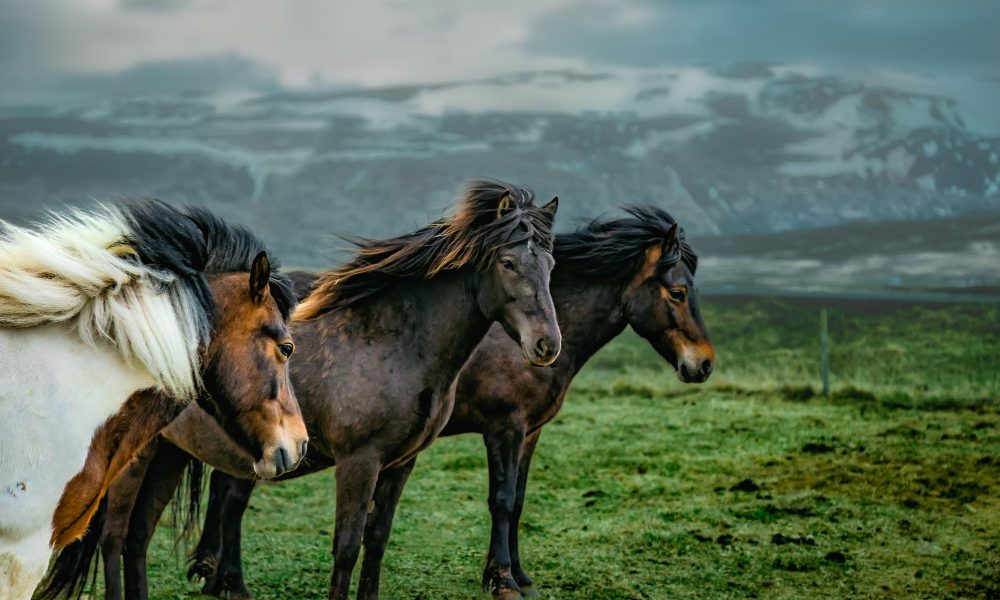
The gentle opening notes of “Free Bird” trace the edge of dawn as a young Clydesdale foal cautiously emerges from a dimly lit barn, its hooves grazing the dewy grass. With purposeful restraint, Budweiser begins its 2026 Super Bowl tribute with a message that is far more timeless than a commercial: two iconic animals form an emotional bond and are shown as friends who are learning to rise together rather than as symbols.
A story that develops organically, like an old tale told at dusk, is at the heart of this subdued epic. Near a fallen tree, a foal spots a stranded eaglet—pauses, then comes back. During a storm, the horse uses incredibly subtle movements to shelter the bird beneath its body. Not a story. No gaudy slogans. Simply instinct and empathy.
| Detail | Information |
|---|---|
| Title | American Icons |
| Brand | Budweiser |
| Occasion | Super Bowl 60, Budweiser’s 150th Anniversary |
| Central Storyline | Bond between a Clydesdale foal and a rescued bald eagle |
| Theme | Loyalty, resilience, shared strength |
| Soundtrack | “Free Bird” by Lynyrd Skynyrd |
| Director | Henry-Alex Rubin |
| Notable Imagery | Eagle learning to fly from the Clydesdale’s back |
| Taglines | “Made of America”, “This Bud’s for You” |
| Animal Oversight | Supervised by American Eagle Foundation and USFWS |
| Release Date | January 26, 2026 (online preview) |
| Official Website | www.anheuser-busch.com |
Their bond grows stronger over the next minute. From the horse’s back, the eaglet makes repeated, awkward attempts at flight. The commercial subtly conveys resilience through these attempts—gently failing, then trying again. Intentionally slow, the pacing works incredibly well to let the imagery breathe.
The direction has a very grounded visual feel. Returning for his third Budweiser campaign, Henry-Alex Rubin chooses authenticity over polish. Every frame of the advertisement has a physical texture that reflects the characters’ hard-won strength: mud, wind, and mist.
The now-strong eagle perches atop the charging horse and spreads its wings wide for a brief moment, captured in golden light. The two move together for a few seconds. In addition to being stunning, the image seemed strangely plausible to me—like witnessing something real and unsaid come to life.
The fact that Budweiser chose this tale to commemorate its 150th anniversary is no coincidence. In a time when many companies use algorithm-driven advertising to follow trends, Budweiser leaned into something classic: a tale of interdependence, growth, and care. The advertisement presents a sentiment that is bolstered by decades of tradition rather than a solution or a catchphrase.
The commercial builds to a quiet release with deliberate pacing and patient structure. Beside the mature Clydesdale, two farmers watch the adult eagle take off. “You crying?” mutters one, obviously moved. “Sun’s in my eyes,” responds the other. This line is outdated. However, it lands—gently and successfully.
This arc is enhanced by the soundtrack selection of “Free Bird.” The song’s structure is similar to that of an eagle’s flight path: initially unsteady, then soaring. The Clydesdale charges below as the eagle rises along with the solo. This combination feels remarkably symbolic without being intrusive.
Budweiser went beyond symbolism by working with wildlife foundations and making sure that appropriate supervision was in place—they genuinely tried to honor the animals involved. Credibility is important, particularly when it comes to animals that are so ingrained in the culture of the country.
Amazingly, only the last few frames show the beer itself. As the eagle vanishes behind the hills, the two farmers, who are now older and possibly wiser, sit on the porch with bottles in hand. Instead of feeling forced, the product placement feels earned. Not a demand, but a reward.
Perhaps the most notable aspect of the advertisement was its reluctance to rush. Super Bowl advertisements in recent years have made extensive use of spectacle, including punchlines, explosions, and celebrities. In contrast, Budweiser told a story without the need for a gimmick. It trusted that the audience would gradually feel something.
That faith was rewarded. Despite being subtle, the ad’s message struck a chord because it was so well-planned. It served as a reminder to viewers that icons are raised rather than born. In barns, during storms, and frequently with assistance. Unexpectedly, it brought back memories of friendships I’ve had—friendships built on loyalty and shared adversity rather than pomp and circumstance.
Budweiser was more than just a narrative. They paused. Take a breath. Additionally, they conveyed a feeling that stuck during that pause, which was far more persuasive than a pitch.



 Bitcoin
  Ethereum
  Tether
  BNB
BNB  XRP
XRP  USDC
USDC  Solana
  TRON
TRON  Lido Staked Ether
  Cardano
  Avalanche
  Toncoin