
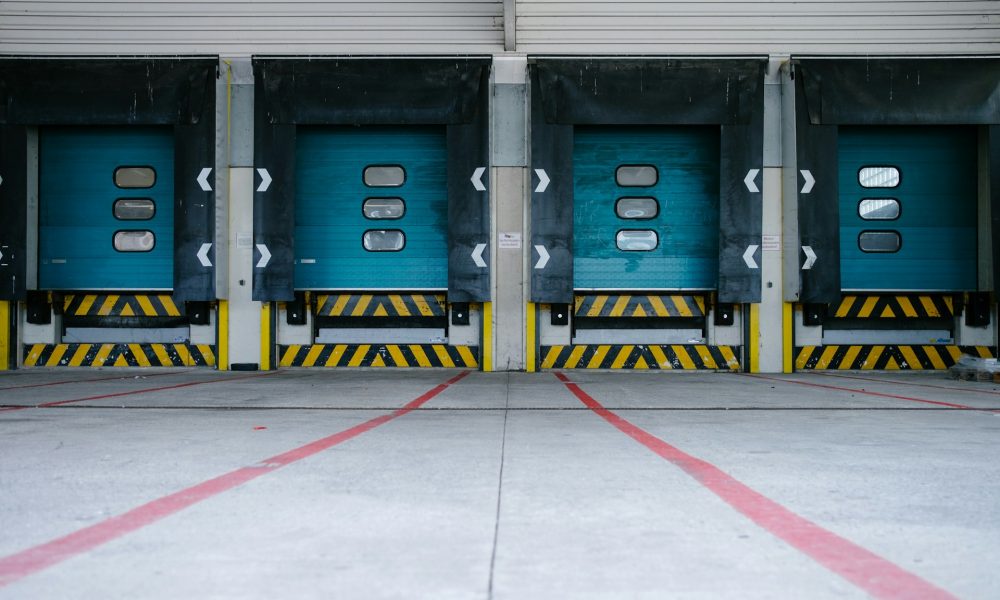
Loading bays can see a lot of traffic, with people often moving in and out fast to keep up with busy pick-up and delivery schedules. But seeking out efficiency can also be dangerous if you don’t invest heavily enough in safety measures. Two of the most common hazards in ill-prepared loading bays are premature drive-offs, when drivers leave with the forklift inside, and trailer creep when the trailer moves away due to the momentum of loading. Vehicle restraint systems are essential for prevention.
But how do you pick the right restraints for your workplace requirements? There are a lot of different options on the market that ensure dock levellers and mobile ramps can be used safely. This article explores the right way to choose between different types of vehicle restraint systems.
Identify your vehicles’ needs
The kinds of restraints you should invest in depend largely on the vehicles that your loading bay deals with. The average industrial loading bay can see a wide variety of different HGVs and LGVs, meaning not all restraints will suit all the vehicles. You should base your restraint purchases on the vehicles that visit your site most frequently.
- Standard over-the-road trailers. These are common trailers, known for having rear impact guards (RIG) or ICC bars. They’re most commonly restrained by hook-style restraints that wrap around the bar.
- Van and tail-lift trailers. Last-mile delivery vans or trailers often use hydraulic tail lifts, which can exclude them from RIG bars. They can only be held in place with wheel-based restraints.
It’s worth noting that wheel-based restraints will work with almost any form of delivery vehicle, making it the more versatile option for sites that see a variety of arrivals.
Understanding the different engagement styles
Beyond basing your choices on the vehicles that you interact with, it’s also vital to understand how different vehicle restraint systems work. It’s always wise to go into equipment shopping with the best possible picture of how the items are going to work.
The first thing to consider is manual vs automatic operation with vehicle restraints.
- Manual restraints are budget-friendly, but they require trained dock attendants to manually position levels or chocks. They risk human error or even being skipped in busier shifts.
- Automatic restraints are button-operated and can be interlocked with dock doors, meaning the door cannot open until the sensor confirms the vehicle is locked.
When you look at things more granularly, these are the ways that the prevailing systems work.
- Rotating hook (RIG-dependent) restraints by arms rotating up and hooking the trailers RIG. This helps keep the trailer from tipping over, but only applies to trailers with strong RIGs.
- Vertical vehicle restraint barriers are also RIG dependent, but essentially just standing in the way of the trailer. They prevent early departure but they’re less effective than hooks at stopping trailer creep.
- Wheel locks and manual chocks are locking arms or high-tensile steel chocks that engage the rear tyres. They’re the most universal option in the world of vehicle restraint systems. The best models, like Power Chock, are used widely in 2025 as they are basically immune to mechanical failures associated with RIGs.
It’s also worth noting that these systems can be supported by additional technologies, such as traffic light sequencing and smart sensors. These help to indicate when drivers should move, along with alerting people when guards have been obstructed.
Picking the right vehicle restraints
If you’re interested in investing in some new vehicle restraint systems, get in touch with a quality supplier, as they’ll be able to guide you to a purchase that’s truly suitable for your workforce. Pick a reputable company with a strong reputation and a good range of options, and you can enhance your safety and efficiency for the better.



 Bitcoin
  Ethereum
  Tether
  BNB
BNB  XRP
XRP  USDC
USDC  Solana
  TRON
TRON  Lido Staked Ether
  Cardano
  Avalanche
  Toncoin