
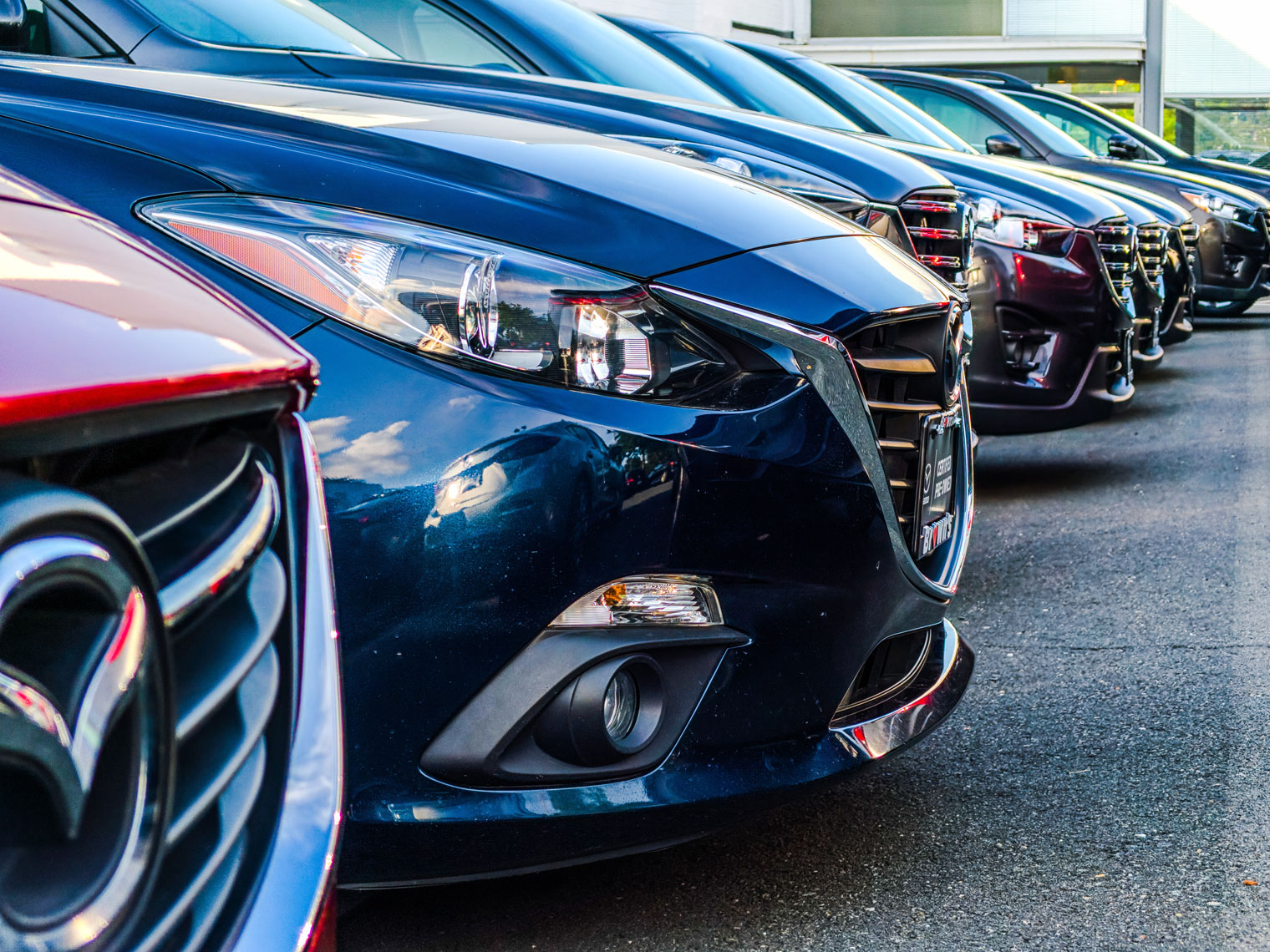

There is a specific satisfaction in being the first person to turn the ignition of a brand-new car. For many drivers in Buckinghamshire, that “new car smell” represents a milestone of success. However, as we move through 2026, the financial reality of buying new has become harder to ignore.
With automotive technology moving faster than ever and interest rates fluctuating, the hidden cost of car ownership, depreciation, is often the most expensive part of the journey. For those looking to keep their transport costs sensible without sacrificing quality, understanding how to bypass the initial value drop is essential.
The Mathematics of the “Drive-Away” Drop
Most people focus on the monthly payment or the sticker price, but the real cost is the gap between what you pay and what the car is worth a year later. On average, a new vehicle loses roughly 20% to 30% of its value within the first twelve months.
To put that in perspective: if you drive a £35,000 SUV off a forecourt today, you are effectively paying a £7,000 to £10,000 premium just to be the first name on the logbook. By the third year, that same car is often worth less than half of its original price. In the industry, this is often called a “stealth tax,” and for most household budgets, it’s a difficult loss to justify.
Why the “Nearly-New” Route Works Locally
In a county that demands a lot from its cars, from the stop-start grid roads of Milton Keynes to the winding, muddy lanes of the Chilterns, reliability isn’t optional. This is why many residents are shifting their focus toward the two-to-three-year-old market.
By purchasing a car that has already survived its first 36 months, you let the original owner (or the corporate leasing company) take the financial hit. Once a car hits that three-year plateau, the rate of depreciation slows down significantly. This means that when you eventually decide to sell or trade it in, you aren’t left with a massive “equity gap.”
Upgrading Your Lifestyle, Not Your Debt
Choosing a used vehicle is often less about saving money and more about reallocating it. A budget that might only get you a basic, entry-level hatchback if you buy new will often get you a high-spec, premium model if you shop pre-owned.
For a Buckinghamshire commute, the difference is practical. That same budget could mean the difference between a standard manual gearbox and a car equipped with adaptive cruise control for the M1 or heated seats for those frosty morning starts in Aylesbury. By skipping the new car premium, these luxury features become standard features.
The Local Sourcing Advantage
The used market in this part of the country is particularly robust, largely due to the high volume of professional and corporate fleet rotations. This constant cycle ensures a steady supply of well-maintained, late-model vehicles.
Whether you are looking for a fuel-efficient hybrid for city driving or a sturdy family vehicle, the sheer volume of cars for sale in Milton Keynes makes it one of the most competitive places to shop in the South East. Because these cars are often coming off 3-year leases, they arrive with full service histories and the kind of mechanical transparency that was once only available with new purchases.
Making the Smart Choice
In 2026, driving a new car is more about the technology and the condition than the date on the registration plate. By opting for a high-quality pre-owned vehicle, you’re essentially opting out of a rigged financial game. You still get the tech, the safety, and the reliability, but you leave the thousands of pounds of lost value in your own pocket.



 Bitcoin
  Ethereum
  Tether
  XRP
XRP  BNB
BNB  USDC
USDC  Solana
  TRON
TRON  Lido Staked Ether
  Cardano
  Avalanche
  Toncoin