
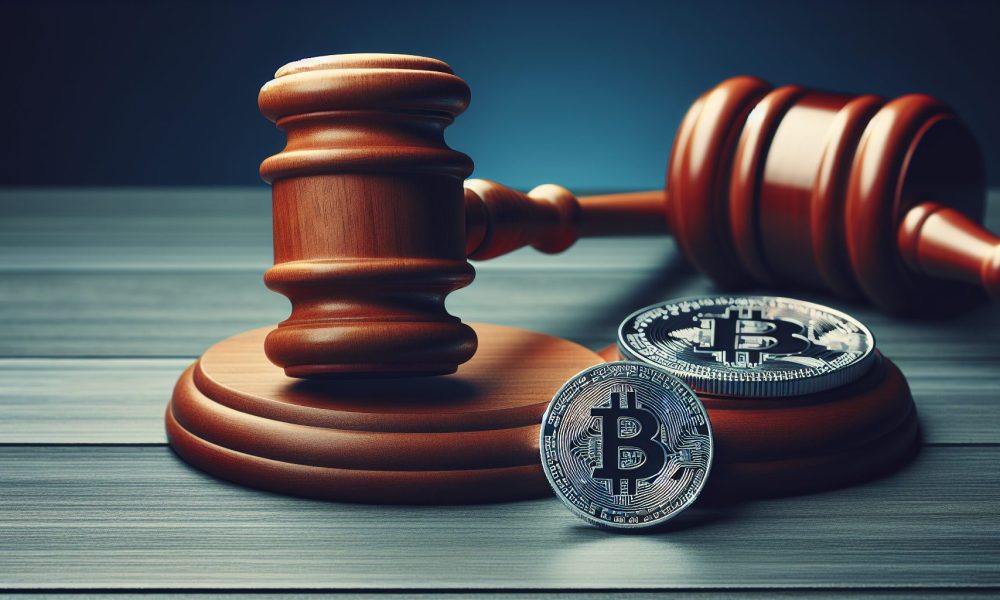
The UK Home Office published a fraud strategy paper Monday that singles out cryptocurrencies. The uk crypto fraud approach covers 2026 to 2029 and labels digital assets as a medium “where victims are deceived into willingly transferring money.”
Not subtle.
The paper identifies “vulnerabilities” in authorities’ ability to fight fraud in emerging payments. Translation: regulators are behind the curve and know it.
“Growing risks” for consumers, the Home Office said. That’s the same language used before major crackdowns. I’ve seen this before. It never ends with friendly guidance.
What’s in the UK Crypto Fraud Strategy
The government points to scams on social media and messaging platforms as primary vectors. Fair enough. Fake giveaways and impersonation schemes drain wallets daily. The question is whether regulation stops scammers or just boxes out legitimate projects.
Measures already deployed include the Financial Conduct Authority’s 2023 crackdown on crypto marketing to UK consumers. That restricted how exchanges and token issuers can advertise. October 2027 brings HM Treasury’s comprehensive digital asset framework—full licensing requirements, compliance costs, the works.
The uk crypto fraud strategy requires crypto companies to “obtain FCA authorization and comply with its rules.” Standard regulatory playbook. Higher barriers to entry. Increased costs. Smaller players exit. Larger firms absorb compliance expense and consolidate market share.
The National Crime Agency launched a consumer awareness campaign in 2025. Government is also backing the Serious Fraud Office to enhance “cryptoasset investigation capabilities.” That meanschain analysis tools, exchange data requests, and transaction tracing. Privacy coins in the crosshairs.
Home Secretary Shabana Mahmood and Lord Hanson of Flint called this about “restoring confidence.” They noted every pound stolen through fraud is “a pound not reinvested in our economy.”
True. But also: every legitimate crypto business driven offshore is capital the UK economy loses.
The Political Donations Question
The uk crypto fraud paper didn’t mention political contributions, but that debate is very much alive. The government is reportedly considering a ban on crypto donations as part of an Elections Bill.
Nigel Farage’s Reform party announced at Bitcoin 2025 it would accept crypto donations. Christopher Harborne—early crypto investor—sent $16 million to Reform through 2025 contributions. That’s real money with real influence.
Banning crypto donations while allowing traditional finance contributions creates an odd double standard. Both can come from questionable sources. Both require disclosure. The difference is one uses blockchain rails, which are actually more transparent than shell company structures.
This isn’t complicated. It’s just uncomfortable. The UK wants crypto tax revenue and wants to prevent fraud. Fair goals. But the regulatory approach leans toward restriction rather than education.
Compare this to how traditional finance fraud gets handled. Invoice fraud, payment diversion scams, and wire transfer theft cost UK businesses billions annually. Those use pounds sterling and bank accounts. Nobody calls for banning banks.
Historical Context
The UK has oscillated on crypto policy since 2017. Early enthusiasm—blockchain trade finance pilots, sandbox programs—gave way to caution after retail investors lost money in 2018. The FCA banned crypto derivatives for retail in 2021. Marketing restrictions followed in 2023. Now the fraud strategy paper in 2025.
Each step tightens controls. Each makes operating harder. Some of that is necessary—genuine scams do operate. But regulatory creep tends to overshoot.
The October 2027 framework implementation will clarify much. Until then, crypto firms face uncertainty. Do they invest in UK operations or focus on friendlier jurisdictions? Do they build compliance teams or relocate?
The data tells a different story than the government narrative suggests. On-chain fraud as a percentage of total transaction volume has declined since 2021, per multiple blockchain analysis firms. Scams persist, but they’re not growing faster than legitimate use.
What the uk crypto fraud strategy really addresses is authorities’ discomfort with financial systems they can’t easily monitor or control. That’s the unstated driver behind “vulnerabilities remain” language.
Market Implications
UK-based exchanges and crypto firms now face a choice: comply with increasing requirements or exit. Some will do both—maintain UK presence for institutional clients, move retail operations offshore.
This affects liquidity. Fewer platforms serving UK users means less competition, wider spreads, higher fees. Retail traders pay the cost.
Compare the UK approach to Dubai, Singapore, or Hong Kong. Those jurisdictions built frameworks that separate scams from innovation. They enforce against fraud without assuming all crypto use is fraudulent. The result: capital and talent flow there.
The UK is making a different bet. Whether the uk crypto fraud measures attract institutional confidence or drive crypto business away will play out over the next two years.
Leverage kills. Every cycle proves it. But so does regulatory overreach. Both can hollow out a market.
What Happens Next
October 2027 is the hard deadline for HM Treasury’s framework implementation. Until then, expect continued FCA enforcement against marketing violations and unlicensed operations.
The Elections Bill debate on crypto donations will likely resolve before the next election cycle. If banned, it sends a signal that crypto money is somehow dirtier than other money. If allowed with disclosure requirements, it normalizes digital assets in UK political finance.
For traders and investors, the practical impact is limited short-term. Major exchanges already comply with FCA rules. Smaller platforms and DeFi protocols face more uncertainty.
The uk crypto fraud strategy won’t stop scammers who operate from foreign jurisdictions using VPNs and encrypted messaging. It will, however, make life harder for UK companies trying to build legitimate products.
That’s the uncomfortable truth about most fraud regulation. It’s easier to control the compliant than catch the criminals.
All eyes on October 2027.



 Bitcoin
  Ethereum
  Tether
  XRP
XRP  BNB
BNB  USDC
USDC  Solana
  TRON
TRON  Lido Staked Ether
  Cardano
  Avalanche
  Toncoin