
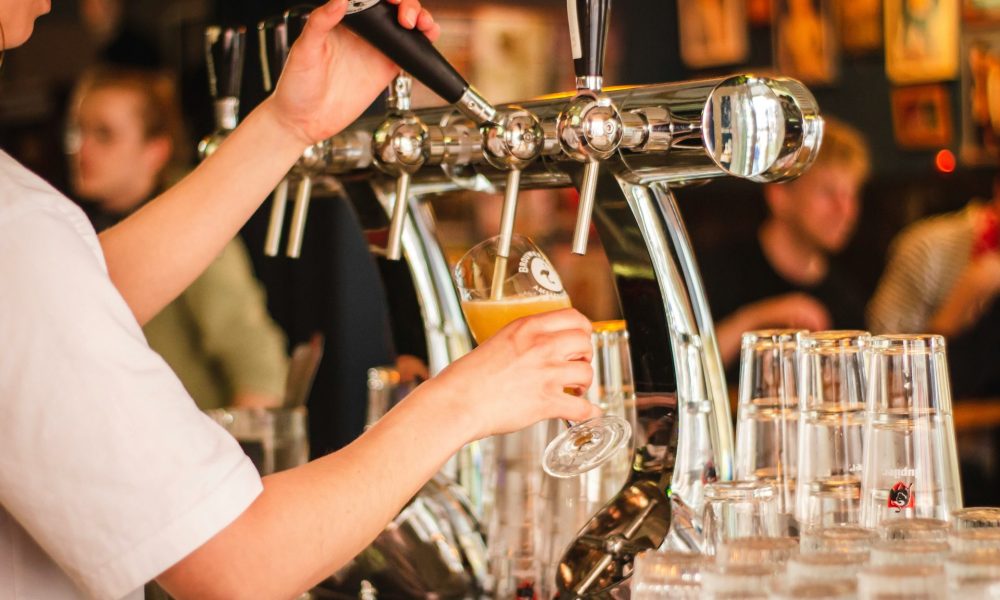
The decision to find a pub to run is rarely just about changing jobs. For many people, it is about taking on something with more personality, more independence and a clearer connection between effort and results. The appeal is easy to understand, but choosing the right pub is not simply a matter of location or first impressions. The best opportunities tend to suit the operator as much as the operator suits the pub.
Start With the Area, Not the Building
It is easy to be drawn in by a pub’s appearance. A handsome frontage, a good beer garden or a recently updated interior can all make a place look full of promise. Those things do matter, but they should never be the starting point. The first question is whether the area itself gives the pub room to trade well.
A strong pub usually sits in the middle of a clear local pattern. That could be a residential neighbourhood with steady evening trade, a village that relies on the pub as a social hub, or a town-centre site that benefits from passing footfall and weekend activity. Looking at the surrounding area tells you far more than décor alone ever will. Nearby housing, local employment, transport links and the type of customers already in the area all help shape the kind of business a pub can realistically become.
Know What Kind of Operator You Are
Not every pub suits every person. That is one of the biggest mistakes people make when they start looking. Someone with a strong food background may do well in a destination-led pub where dining is central to the offer. Someone else may be better suited to a wet-led local built around sport, events and regulars. The right choice depends on experience, temperament and the sort of working life you actually want.
It helps to be honest early on. Do you enjoy community engagement, or would you rather focus on systems and standards? Are you comfortable running late-night trade, or would you prefer a business with a calmer daytime and early evening rhythm? Some pubs demand visible hosting and constant customer interaction, while others lean more heavily on operational consistency. A pub may look attractive on paper, but if the trading style does not match the person running it, that gap tends to show quickly.
Look Beyond Turnover Figures
Any serious opportunity will involve looking at the numbers, but figures only tell part of the story. Revenue matters, of course, yet it needs context. A pub with modest sales but a loyal local customer base may offer more stability than one that peaks seasonally and struggles the rest of the year. Likewise, a site with unrealised potential can sometimes be more appealing than one that has already reached its ceiling.
That is why it is important to look at how the business operates day to day. Is there a clear reason people choose that pub at present? Is trade spread sensibly across the week, or does it rely too heavily on a couple of busy periods? Are there obvious gaps in the offer, such as underused outdoor space, missed food opportunities or a weak events calendar? A good pub opportunity is not only about current performance, it is about whether there is a sensible, achievable route to improvement.
Community Fit Can Make the Difference
A pub does not succeed in isolation. It depends on how well it connects with the people around it. In some places, customers want a straightforward, friendly local where staff know their names. In others, they may expect a stronger food offer, a family-friendly atmosphere or a reliable place to watch live sport. The most successful operators usually understand that quickly and avoid imposing the wrong identity on a site.
That local fit often matters more than big ideas. Small, well-judged decisions tend to land better than dramatic changes that ignore what existing customers value. A pub that feels part of its community has a stronger foundation than one trying too hard to reinvent itself without good reason. When you are assessing an opportunity, it is worth asking not just what the pub could become, but what local people are likely to support.
The Right Opportunity Feels Practical as Well as Exciting
There should be some excitement in taking on a pub, but the stronger decisions are usually grounded in realism. A good opportunity gives you enough to work with, enough local demand to build on and enough alignment with your own strengths to make the challenge worthwhile. It is less about chasing an idealised version of pub life and more about finding a business you can run well, improve steadily and grow with confidence.
That is often what separates a promising pub from the right pub. The strongest match is not always the flashiest site or the busiest high street location. More often, it is the one where the area, the customer base and the operator all make sense together.



 Bitcoin
  Ethereum
  Tether
  BNB
BNB  USDC
USDC  XRP
XRP  Solana
  TRON
TRON  Lido Staked Ether
  Cardano
  Gram (prev. Toncoin)
  Avalanche