
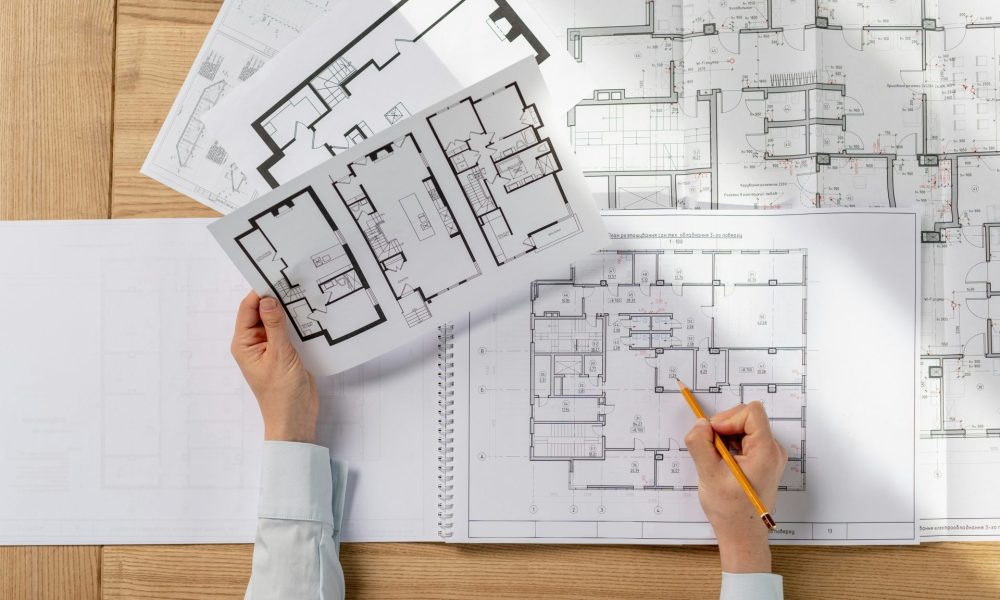
In the UK’s competitive and often constrained housing market, homeowners are increasingly looking beyond relocation and instead focusing on how to extract greater value from their existing properties. While cosmetic upgrades may offer short term appeal, it is strategic architectural design that consistently delivers more meaningful and lasting increases in property value.
Whether applied to period homes, suburban properties or urban terraces, a well considered design approach can improve not only the market worth of a home, but also its functionality, energy performance and long term desirability. For homeowners and investors alike, understanding where architectural input adds financial value is key to making informed decisions.
Beyond Aesthetics: Value as a Function of Design Quality
Property value is often influenced by location, size and condition, but design quality plays a more significant role than is sometimes recognised. Buyers are increasingly discerning, particularly in higher value areas, and respond positively to homes that feel cohesive, well proportioned and intelligently arranged.
Engaging an experienced architecture practice allows homeowners to move beyond superficial improvements and instead address the underlying spatial and structural qualities of a property. This might involve reconfiguring internal layouts, improving natural light, or introducing extensions that enhance both usability and visual clarity.
Importantly, these changes are not purely aesthetic. They influence how a property is perceived in the market, often resulting in stronger buyer interest and higher offers.
Reconfiguring Space for Modern Living
Many UK homes, particularly those built before the mid 20th century, were designed around formal layouts that no longer align with contemporary living patterns. Separate dining rooms, enclosed kitchens and limited storage can reduce both functionality and appeal.
Architectural design can unlock value by rethinking how space is used. Open plan kitchen and living areas, improved connections to outdoor space, and better circulation can significantly enhance day to day usability. Even modest changes, such as repositioning partitions or improving sightlines, can transform how a home feels.
From a financial perspective, properties that offer adaptable, well organised living space tend to command higher prices. They also appeal to a broader range of buyers, which can reduce time on the market.
Extensions That Deliver Measurable Returns
One of the most direct ways to increase property value is through additional floor area. However, not all extensions are equal. Poorly designed additions can disrupt the balance of a home, limit natural light, or create awkward transitions between old and new spaces.
A carefully designed extension considers proportion, orientation and material integration. In period properties, this often involves a clear distinction between the original structure and the new intervention, allowing each to complement the other without imitation.
Rear extensions, side returns and loft conversions are among the most common value adding strategies in the UK. When executed well, they can significantly increase both usable space and resale value. However, the financial return depends on build cost, location and ceiling price within the local market, making early feasibility assessment essential.
Enhancing Natural Light and Spatial Quality
Natural light is a key driver of perceived value. Homes that feel bright, open and well connected to their surroundings tend to attract stronger demand. Yet many existing properties, particularly terraced houses, suffer from limited daylight in central or rear spaces.
Architectural interventions such as rooflights, internal glazing, reconfigured layouts and carefully positioned openings can dramatically improve light distribution. These changes often have a disproportionate impact on value relative to their cost, as they enhance the overall experience of the home without necessarily increasing its footprint.
In valuation terms, improved light and spatial clarity contribute to a sense of quality that is difficult to quantify but clearly recognised by buyers.
Energy Efficiency and Long Term Cost Savings
With rising energy costs and increasing regulatory focus on sustainability, energy performance is becoming a more prominent factor in property valuation. Buyers are paying closer attention to EPC ratings, insulation standards and running costs.
Architectural design plays a critical role in upgrading performance, particularly in older homes. Sensitive improvements such as enhanced insulation, upgraded glazing, improved airtightness and efficient heating systems can reduce energy consumption while maintaining the character of the building.
From a financial standpoint, these upgrades can make a property more attractive in the market and reduce long term ownership costs. As regulatory requirements continue to evolve, homes that already meet higher performance standards are likely to hold a competitive advantage.
Planning Strategy and Risk Mitigation
Navigating the UK planning system can be complex, particularly for properties in conservation areas or those subject to additional restrictions. Poorly considered proposals can lead to delays, refusals or costly redesigns.
An architectural approach includes early stage planning assessment, ensuring that proposals align with local policy and have a strong likelihood of approval. This reduces risk and provides greater certainty around project timelines and costs.
From an investment perspective, managing planning risk is essential. Delays or unsuccessful applications can erode potential returns, particularly where projects are time sensitive.
Quality of Execution and Market Perception
It is not only the design itself that influences value, but also how well it is executed. Attention to detail, material quality and construction standards all contribute to how a property is perceived.
Buyers are increasingly aware of the difference between superficial refurbishment and properly resolved design. Elements such as bespoke joinery, consistent material palettes and well integrated services can elevate a property beyond comparable listings.
While these aspects may involve higher upfront costs, they often result in stronger resale performance and reduced need for future remedial work.
A Strategic Investment Rather Than a Cost
Architectural services are sometimes viewed as an additional expense within a renovation budget. However, when considered in the context of overall project value, they are more accurately understood as a strategic investment.
By improving layout, increasing usable space, enhancing light and ensuring planning success, architectural design can have a measurable impact on both short term value and long term performance. It also reduces the likelihood of costly mistakes, which are common in projects that proceed without professional input.
For homeowners looking to maximise the potential of their property, the focus should not simply be on how much is spent, but on how effectively that investment is deployed.
Conclusion
In a market where buyers are increasingly selective and expectations continue to rise, thoughtful architectural design offers a clear pathway to enhancing property value. It aligns spatial quality with modern living requirements, improves energy performance and ensures that changes are both coherent and durable.
While not every project requires extensive intervention, those that are guided by a clear architectural strategy tend to deliver stronger financial outcomes. For UK homeowners, particularly those working with period properties or constrained urban sites, design led thinking remains one of the most effective ways to unlock hidden value.



 Bitcoin
  Ethereum
  Tether
  BNB
BNB  USDC
USDC  XRP
XRP  Solana
  TRON
TRON  Lido Staked Ether
  Cardano
  Gram (prev. Toncoin)
  Avalanche