
Cognitive Dissonance in the Markets: Why Economists Are Terrified of the Wall Street Disconnect

These days, Wall Street has an odd vibe that only those who have been watching markets for a long time truly notice. When you stroll through midtown Manhattan in the late afternoon, the trading desks are emptying as usual, with phones still ringing and suits relaxed. Nothing appears to be damaged. However, economists are sounding genuinely uncomfortable in conference rooms a few blocks away from those same desks. Not quite in a panic. More akin to those who have smelled smoke but are still unable to see the fire.
It is difficult to overlook the contradiction. Following the Strait of Hormuz scare earlier this spring, oil shot up nearly 40%, and stocks hardly faltered. The S&P continues to drift toward new highs despite rising inflation expectations and a lackluster outlook for consumer confidence over the next six months. The Conference Board’s own data reveals the largest discrepancy between expectations for the business climate and stock prices since the late 1980s, which is nearly unprecedented. Two ideologies, seated side by side, refusing to engage in conflict.
| Topic Snapshot: Cognitive Dissonance in the Markets | Details |
|---|---|
| Concept | Cognitive dissonance — holding two contradictory beliefs at once, in this case bullish stock expectations alongside bearish economic outlook |
| First Documented in Finance | Behavioral finance literature, late 1970s onward |
| Recent Trigger Event | March 2026 — oil prices climbed roughly 40% during the Strait of Hormuz disruption while equities held near record highs |
| Key Indicator | Conference Board Consumer Confidence gap between stock-price expectations and six-month business outlook — widest since the late 1980s |
| Notable Voices | Joe Brusuelas (RSM), Bill Stone (PNC Asset Management), Matt Lloyd (Advisors Asset Management) |
| Underlying Driver | Liquidity, Fed policy expectations, and the long shadow of 2008 |
| Academic Reference | IMF working papers and Cambridge University Press chapters on FOMC behavior and asset mispricing |
| Current Status (May 2026) | Equity markets remain elevated; economists describe the gap as historically unusual |
| Risk Profile | Elevated — dependent on whether economy catches up to markets, or markets correct downward |
This has a term used by behavioral economists. cognitive dissonance. It’s that uncomfortable mental state in which a person simultaneously holds two opposing ideas and manages to continue. It often appears as optimism that is unable to read the room in markets. Investors are bidding up the stocks of businesses whose profits depend on the economy remaining stable while also believing that the economy is fragile. Speaking with buyers lately has given me the impression that nobody truly wants to be the first to leave the party. even if they think the lights are going to turn on.
Recalling how we got here is helpful. In addition to damaging portfolios, the 2008 crisis altered the way a whole generation of investors perceives risk. For years, Joe Brusuelas at RSM has referred to it as the “Greenspan put,” which taught markets that someone would always arrive with a fire hose. Muscle memory has been infused with that presumption. Even now, traders act as though a rescue is still possible, despite the Fed’s obvious reluctance to step in. A while back, Bill Stone of PNC said, “The ghosts of 2008 still haunt us.” As I watch this current stretch play out, those ghosts seem more like furniture—present, accepted, and occasionally bumped into—than haunting.
The image is not as clear outside the trading floors. Hiring has been fairly consistent. Sales of cars are respectable. Although shaky, the housing is useful. This doesn’t call for a crisis. However, none of it screams the kind of growth that would allow equity multiples to remain where they are. It’s possible that investors are just placing a wager on an uncertain future by pricing in a soft landing that hasn’t yet occurred. It’s also possible that they’ve turned their attention from the underlying numbers to one another, which is typically when strange things start to happen.
The closing of the gap is what economists secretly worry about. These dissonances are always getting closer. Which side moves is the only question. Stocks either decline to reflect a more somber reality or the economy improves enough to support the optimism built into them, which is possible but not guaranteed. For years, the IMF has written about this type of mispricing—investors avoiding information that contradicts their preconceived notions. There is a shelf life to that avoidance.
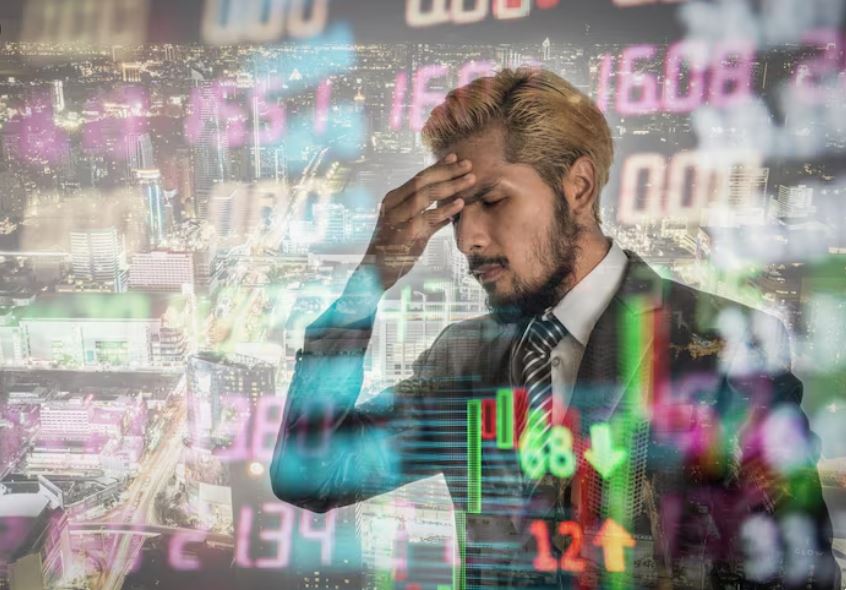
These days, it’s difficult to ignore how self-assured the trading screens appear and how exhausted the individuals gazing at them appear. Something is going to give. Usually, it does.


 Bitcoin
  Ethereum
  Tether
  BNB
BNB  USDC
USDC  XRP
XRP  Solana
  TRON
TRON  Lido Staked Ether
  Cardano
  Gram (prev. Toncoin)
  Avalanche